
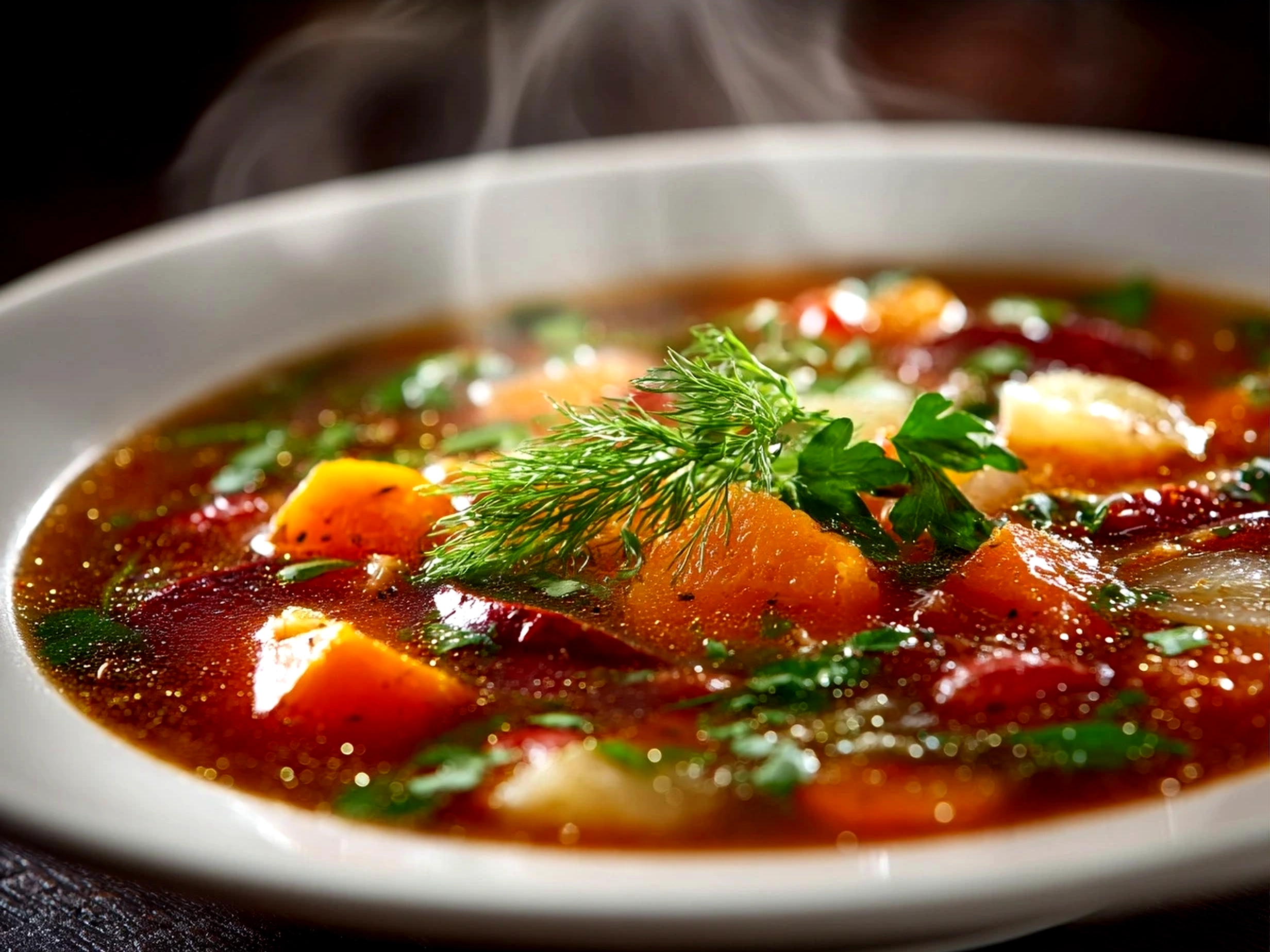
I remember the first time I truly appreciated vegetable soup. It was a cool autumn afternoon, sunlight filtering through amber leaves outside the kitchen window. My grandmother had just finished simmering a pot of her homemade vegetable stew. The kitchen was alive with the gentle clang of spoons against ceramic bowls and the soft murmur of family gathered around the table. The scent of simmering carrots, celery, and fresh herbs wrapped around me like a comforting quilt. Each spoonful of that vegetable soup told stories — of garden harvests, patient chopping hands, and simple joys found in nourishing food shared.
Vegetable soup isn’t just a dish to me; it’s a narrative thread connecting seasons, places, and people. That moment introduced me to the quiet magic of a healthy vegetable broth where humble ingredients achieve something greater than their parts. Since then, I’ve sought out many vegetable soup variations—from the seasonal garden vegetable soup highlighting spring’s first tender shoots to a garden vegetable chowder brimming with summer bounty. Each one speaks to me differently, yet all hold the same warmth and homey promise.
I invite you to venture into the world of vegetable soup with me. Together, we’ll trace the path from fresh vegetables to a pot bubbling with memory and meaning. Whether your kitchen moment starts with a classic homemade vegetable stew or an easy vegetable soup recipe born from what’s on hand, this food story welcomes all approaches.
The Components
The beauty of vegetable soup lies in the ingredients. I always say it begins there—because the quality of each component shapes what your vegetable soup becomes. Here’s the foundation for a nourishing batch designed for flexibility and depth:
- 2 tablespoons olive oil or butter — Look for cold-pressed olive oil for fresh flavor, or creamy butter from a local churn when you want richness.
- 1 large onion, diced — Available year-round but sweeter varieties like Vidalia shine in late spring.
- 3 garlic cloves, minced — Local garlic tends to be more fragrant and less harsh than mass-produced.
- 2 medium carrots, peeled and chopped — Choose firm, bright carrots from a farmers market or grocery with a crisp snap.
- 2 stalks celery, sliced — Fresh celery adds that bright crunch foundation; avoid limp or cracked stalks.
- 1 medium zucchini, diced — Seasonal in summer, zucchini adds moisture and subtle sweetness.
- 1 cup green beans, trimmed and chopped — Fresh green beans bring earthiness and chew.
- 1 cup diced tomatoes (fresh or canned) — Garden tomatoes add sunshine flavor; canned works well any time.
- 6 cups healthy vegetable broth — This is your soul for the soup. Homemade vegetable broth offers unmatched richness, but quality store-bought helps in a pinch.
- 1 teaspoon dried thyme — Adds herbal notes that deepen slowly.
- 1 bay leaf — Provides background warmth.
- Salt and freshly ground black pepper to taste — Essential for balance.
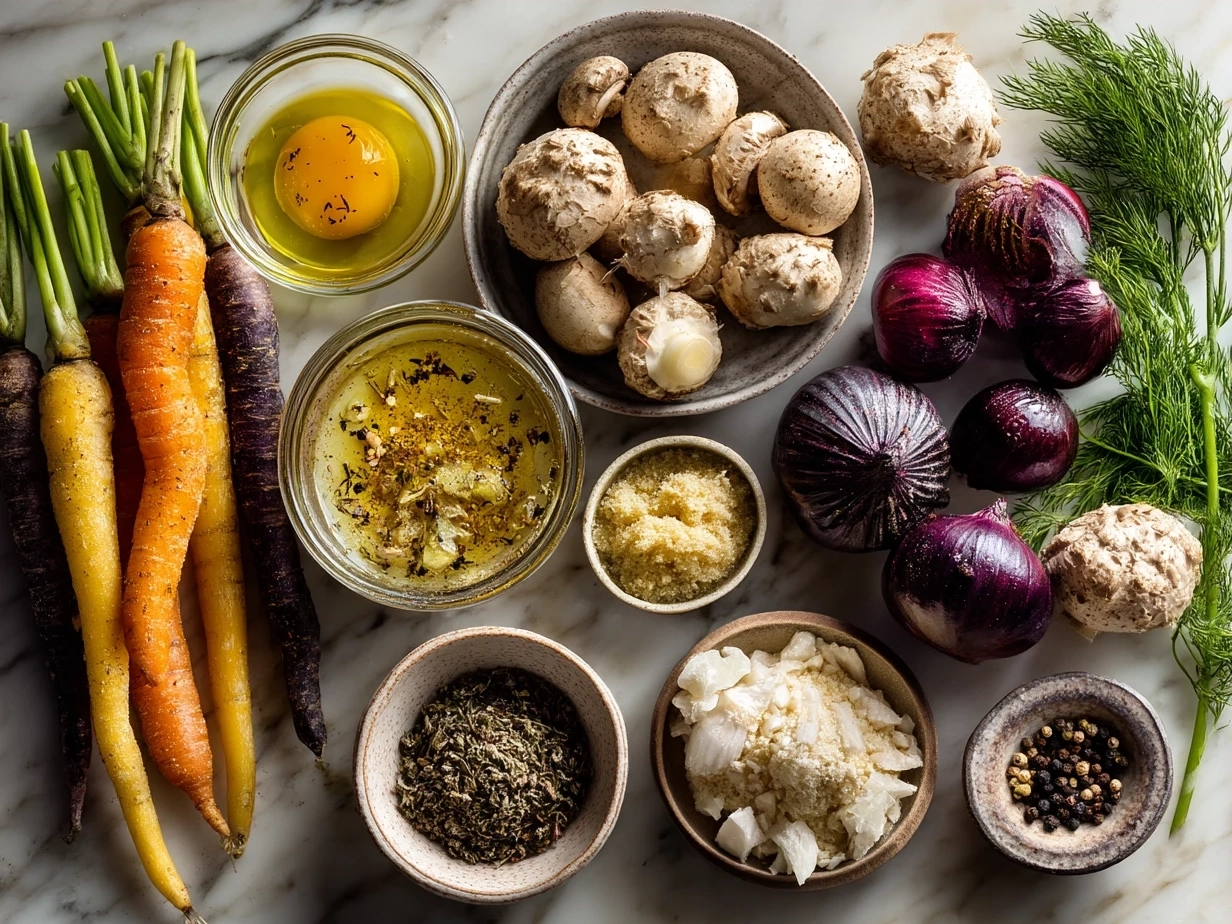
This vegetable soup adapts well to what’s available in your shelves and season. I prefer fresh, seasonal vegetables because they give the soup brightness and vitality—but frozen or preserved work too. For example, during root-heavy winter months, adding parsnips or turnips enriches the profile, turning your vegetable soup into a cozy homemade vegetable stew.
Preparation matters as much as ingredients. Dice vegetables uniformly so your vegetable soup cooks evenly. When it comes to broth, a homemade version infused with scraps like onion skins, carrot peels, and celery leaves can make a marked difference. It’s worth the effort and rewards your soup with unspoken layers.
The Process
Making vegetable soup requires a careful rhythm and attention to transformation. Here’s the step-by-step that I follow when setting out to prepare this humble, soulful dish:
- Heat the olive oil or butter over medium heat in a large pot. Begin by softening the onion. This step releases natural sugars, setting a sweet base for your vegetable soup. Stir often to prevent browning too quickly.
- Add garlic and cook for 1-2 minutes until fragrant but not browned. Garlic color signals bitterness; this nuance matters for the soup’s final mouthfeel.
- Toss in carrots and celery, stirring to coat with oil. These root vegetables form the structural backbone. Allow them to sweat while stirring, about 5 minutes. You’ll notice their scent growing rounder and deeper.
- Pour in the healthy vegetable broth gradually, stirring to loosen any bits stuck to the pot. This healthy vegetable broth acts as the canvas, carrying your vegetables’ essence.
- Add diced zucchini, green beans, and tomatoes to the pot along with thyme and bay leaf. Here your homemade vegetable stew starts to come alive.
- Bring the soup to a gentle boil, then reduce the heat and let it simmer uncovered for 25-30 minutes. Patience here is key. Your vegetable soup will develop a fuller flavor as the broth absorbs the fragrant infusion of herbs and veggies.
- Season with salt and black pepper towards the end to taste. Adding seasoning late prevents over-salting, especially if you use salted broth.
- Discard the bay leaf, taste once more, and adjust as needed. This final tasting is your cue—the moment when this vegetable soup finds its balanced voice.
During cooking, watch how aromas shift—from the bright freshness of raw vegetables to the mellow warmth of simmered layers. This is your sign the soup is ready. For a creamier version reminiscent of garden vegetable chowder, you might blend part of the soup or stir in a splash of cream near the end.
Many food storytellers appreciate variations like the healthy seasonal garden vegetable soup for inspiration in tuning their own vegetable soup to the rhythms of garden availability.
Bringing It to the Table

Vegetable soup has a comforting versatility when it comes to settings and pairings. It’s a humble guest at a weeknight dinner or the star of a comforting lunch on gray days. I like to serve this vegetable soup with crusty whole-grain bread or a simple green salad to keep the meal light yet satisfying.
Consider serving this vegetable soup when you want food that feels like a warm embrace without heaviness. It pairs beautifully with grilled cheeses, roasted root vegetables, or even a bright citrusy vinaigrette dressing on the side for contrast.
Sometimes, I invite friends over just for soup. Watching how others respond to a well-flavored vegetable soup is revealing. It becomes a conversation starter—sharing memories, swapping vegetable variations, or discussing favorite kitchen moments.
Seasonal adaptations make a big difference here too. A garden vegetable chowder style in the summer, with cream and fresh corn, transforms the experience entirely. Meanwhile, the fall’s homemade vegetable stew version leans on heartier veggies and a richer broth.
If you enjoy this approach, you might like the easy vegetable soup recipe from Cookie and Kate. Their technique highlights simplicity and freshness, fitting perfectly alongside other comforting bowls like my stuffed pepper soup.
Common Questions
What makes this vegetable soup different from other soups?
This vegetable soup embraces a balance of freshness and slow simmering, focusing on a healthy vegetable broth that carries the flavor instead of relying on heavy seasoning or cream. It’s about celebrating vegetable integrity.Can I prepare this vegetable soup in advance?
Yes, vegetable soup often tastes even better the next day as flavors meld. Reheat gently and add fresh herbs or a squeeze of lemon to brighten it back up.How do I know when my vegetable soup is properly done?
Look for tender vegetables, especially the roots, and a broth that tastes rich and rounded without bitterness. The aroma shifts from bright to warm, signaling readiness.Is this vegetable soup suitable for a vegan diet?
Absolutely, as long as the broth is vegetable-based and no butter is used, this remains vegan and wholesome.Can I freeze the vegetable soup?
Yes, vegetable soup freezes well. Defrost slowly in the fridge and reheat on gentle heat to avoid texture loss.What variations can I make to keep it fresh throughout the year?
Swap in whatever seasonal vegetables are available. For instance, in winter try parsnip and kale; summer welcomes tomatoes and summer squash.How important is the broth quality for this vegetable soup?
Crucial. A healthy vegetable broth lends depth and body. When I make broth at home from vegetable scraps, it transforms the soup beyond plain water.Should I blend the soup or keep it chunky?
Both work. Blending into a garden vegetable chowder style offers creaminess, while keeping it chunky retains texture and freshness.
This vegetable soup ties well into other food narratives like the vegetable rice soup which incorporates grains for a heartier touch. The technique of gradual simmering and balancing seasonal ingredients remains consistent.
Closing Thoughts
Vegetable soup is worth the effort for its ability to connect kitchen moments with greater stories. It’s a dish that welcomes creativity while honoring tradition. Three key insights stand out for me:
- Quality ingredients transform the simplest vegetable soup into a memorable experience. Freshness and seasonality matter immensely here.
- Patience in cooking lets flavors deepen and aromas tell their own tale. Rushing this soup limits what it becomes.
- Flexibility encourages personal connection. Whether a straightforward homemade vegetable stew or a creamy garden vegetable chowder, your version will have its own voice.
Among my tested variations are a garden vegetable chowder, a spiced autumn homemade vegetable stew, and a light spring seasonal vegetable soup focusing on delicate herbs and new produce. Each approach changes the texture, flavor, and comfort this vegetable soup provides.
My hope is this inspires you to make vegetable soup your own—to find your kitchen lessons in chopping, simmering, and tasting. It is a food narrative that belongs to anyone who values meals rich in memory and meaning.
For those who appreciate this approach, consider exploring other comforting bowls like my one-pot creamy chicken taco soup or the classic ramen noodle soup for further food storytelling.
Vegetable soup carries a timeless invitation: to slow down, to gather, and to nourish not just the body but the shared human experience. May it find a place in your kitchen and your stories.
PrintVegetable Soup

This hearty vegetable soup is a wholesome and comforting meal, packed with fresh vegetables and rich flavors, perfect for any season.
- Prep Time: 15 minutes
- Cook Time: 35 minutes
- Total Time: 50 minutes
- Yield: 6 servings
- Category: Dinner
- Method: Skillet
- Cuisine: American
Ingredients
- 2 tablespoons olive oil
- 1 medium onion, chopped
- 2 cloves garlic, minced
- 3 carrots, sliced
- 2 celery stalks, chopped
- 1 zucchini, diced
- 1 cup green beans, trimmed and cut
- 1 can (14 oz) diced tomatoes
- 6 cups vegetable broth
- 1 teaspoon dried thyme
- 1 teaspoon dried basil
- Salt and pepper, to taste
- 1 cup spinach leaves
- Fresh parsley, chopped (for garnish)
Instructions
- Heat olive oil in a large pot over medium heat.
- Add chopped onion and garlic, sauté until soft and fragrant, about 3-4 minutes.
- Add carrots, celery, zucchini, and green beans; cook for 5 minutes, stirring occasionally.
- Pour in the diced tomatoes with their juice and vegetable broth.
- Stir in thyme, basil, salt, and pepper.
- Bring the soup to a boil, then reduce heat and simmer uncovered for 25-30 minutes until vegetables are tender.
- Stir in spinach leaves in the last 5 minutes of cooking.
- Adjust seasoning as needed and garnish with fresh parsley before serving.
Notes
For a heartier soup, add cooked beans or lentils; serve with crusty bread for a complete meal.