
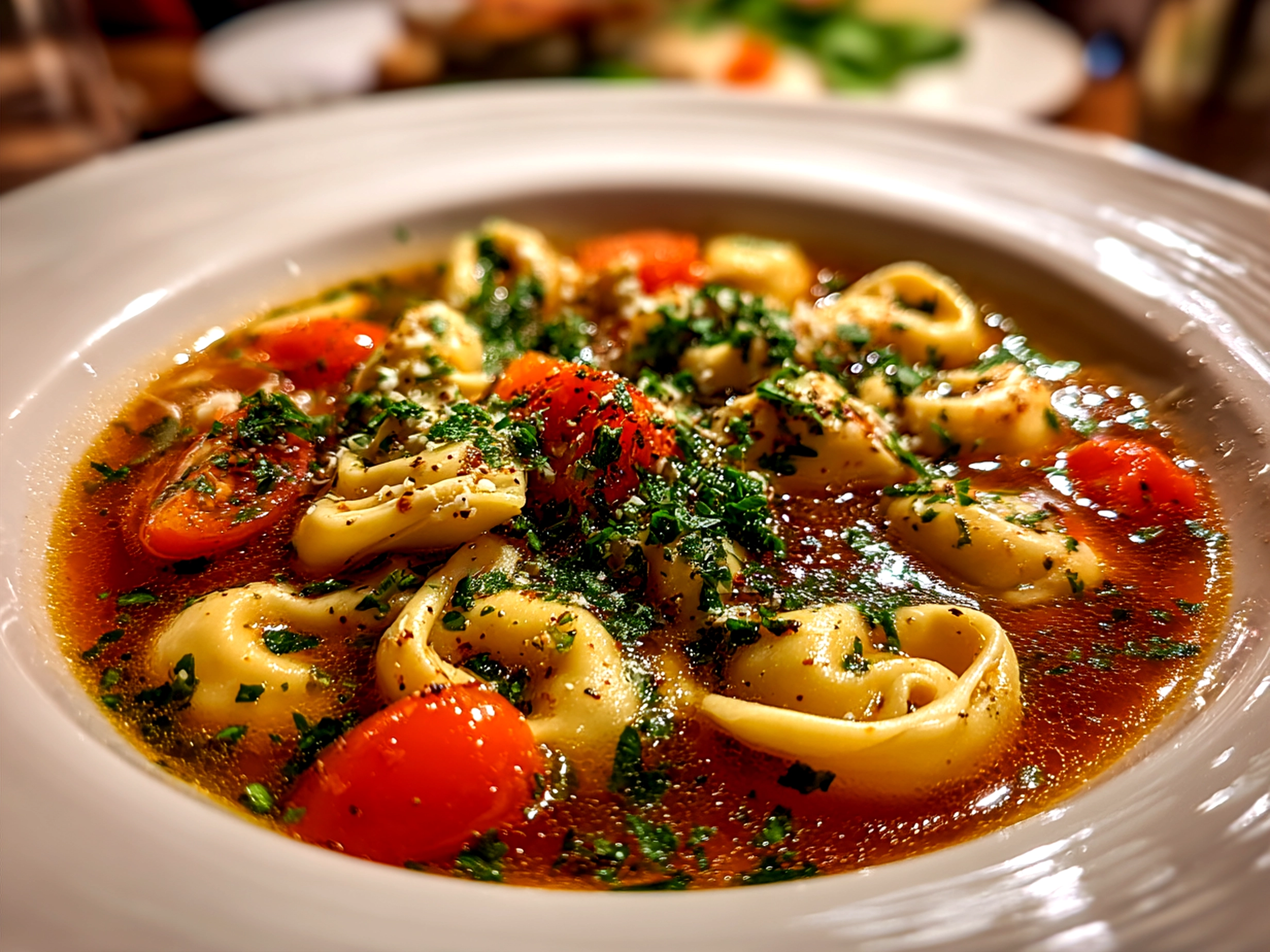
The first time I encountered Tortellini Soup, it wasn’t in a glossy Italian restaurant or during an elaborate family gathering—it was in a small kitchen bathed in afternoon light, tucked away in a neighborhood where neighbors shared food as a way of weaving their stories together. My friend Milo, whose grandmother had carried the secrets of Italian cooking like delicate heirlooms, invited me over on a brisk autumn day. The scent of simmering broth filled the air—the warmth of simmered tomatoes mingling with fresh herbs and garlic, hinting at something deeply soothing.
This particular Tortellini Soup was more than a meal; it was a ritual unfolding in slow, deliberate steps. The cheese-filled tortellini bobbed gently in a shimmering, golden broth that seemed to carry the quiet history of countless kitchens before it. Milo’s grandmother told me how Italian tortellini soup had roots tied to Northern Italy, especially Emilia-Romagna, where pasta shapes were often shaped by local stories and festivities. This soup spoke of comfort and hospitality, a tradition of nourishment meant to bring tired hands and busy hearts together.
Sensory memory made the meal unforgettable. The gentle clinking of spoon against bowl, the steam curling upward and blurring the soft glow by the window, the ripe sweetness of tomatoes paired with the subtle tang of Parmesan cheese dusted on top—it all seemed to say, “Slow down. Sit. Share.” Ever since, Tortellini Soup has occupied a special place in my thoughts whenever the weather shifts or when the kitchen calls for something that marries ease with comfort.
As you join me in this kitchen moment, I’d like to invite you to listen closely to the stories Tortellini Soup can tell. It’s a dish that shifts with each cook’s hand, with every regional twist, and with the seasons. Whether it’s a creamy tortellini soup enriched with spinach or a vegetable tortellini soup pulsing with garden freshness, each version carries a narrative worth uncovering.
The Components
The beauty of Tortellini Soup lies largely in the quality and freshness of its ingredients. To create a memorable soup, you want components that speak clearly—not ones muddled by excess or illusion.
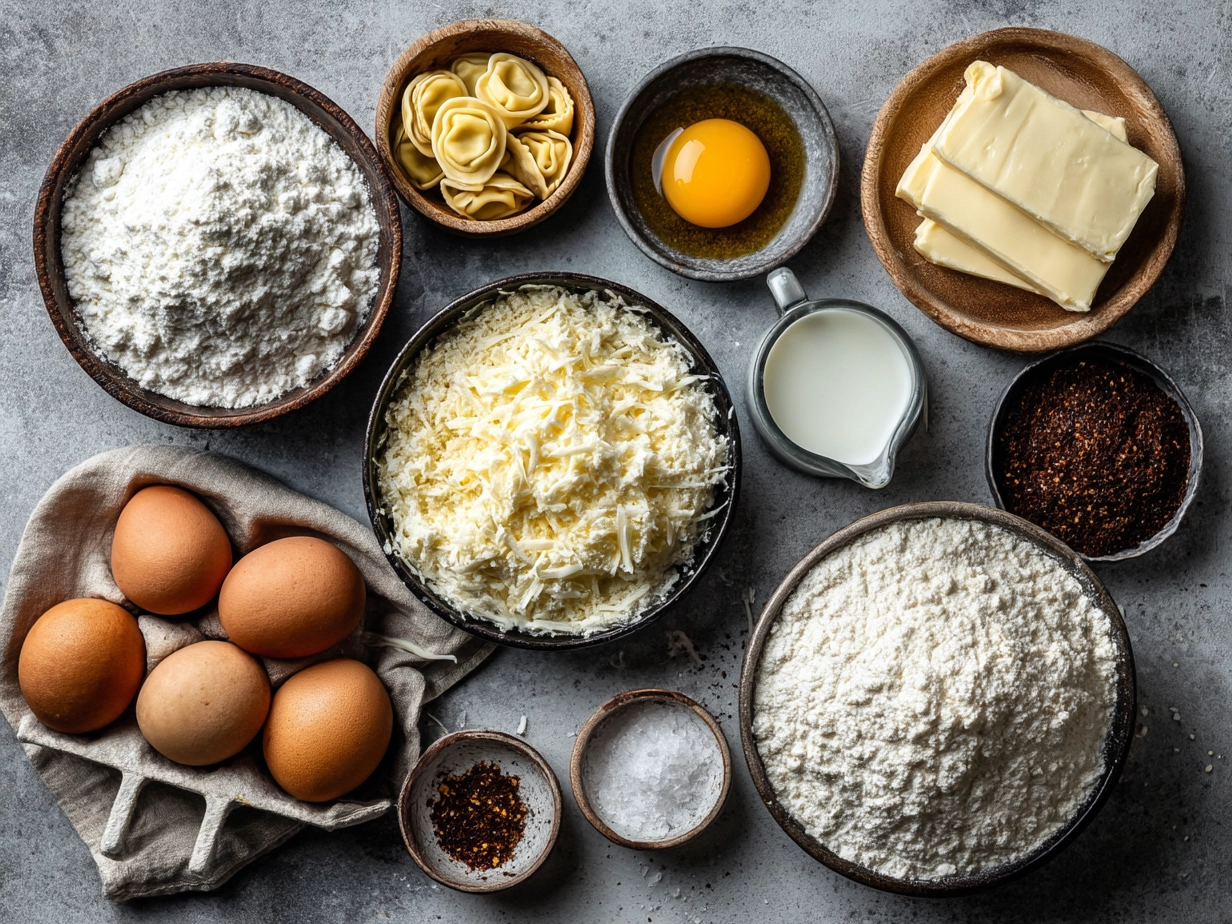
Here are the essential ingredients you’ll need for your Tortellini Soup:
- Cheese tortellini – 12 ounces (fresh or frozen). Look for fresh tortellini at specialty shops or well-stocked farmers markets. Fresh pasta offers a tender, delicate texture that transforms the soup beyond mere sustenance.
- Olive oil – 2 tablespoons. Seek extra virgin olive oil with a grassy, peppery note; it forms the subtle base that ties flavors together.
- Yellow onion – 1 medium, finely chopped. Find firm onions with smooth skins; they bring natural sweetness and depth.
- Garlic cloves – 3, minced. Fresh garlic adds sharpness; opt for plump cloves that give a robust punch.
- Carrots – 2 medium, diced. Look for crisp, sweet carrots that add textural contrast and color.
- Celery stalks – 2, diced. Fresh celery from local markets enhances the vegetable tortellini soup with an earthy undertone.
- Vegetable or chicken broth – 6 cups. Homemade broth is, unsurprisingly, the best foundation, but a high-quality broth from a trusted source works well. This cheese tortellini broth will shape much of the soup’s character.
- Crushed tomatoes – 1 can (14 ounces), preferably organic. Tomatoes in their prime provide the acidity and richness that balance the creamy tortellini soup.
- Fresh spinach – 2 cups loosely packed. When in season, baby spinach is tender and bright, perfect for adding vibrancy to this spinach tortellini soup variant.
- Fresh herbs – 2 tablespoons chopped basil or parsley. Seasonal herbs bring aromatic notes that lift the soup.
- Salt and pepper – to taste. Season gradually, tasting as you go.
Substitutions are part of making Tortellini Soup your own. If fresh tortellini isn’t available, frozen works well, or consider using whole-wheat varieties to add a nutty edge. You can swap vegetable broth for chicken broth depending on dietary preferences. When fresh spinach is not at its best, kale or Swiss chard provide interesting textures.
When I make Tortellini Soup, I lean toward fresh tortellini, preferably cheese-filled, to honor the original Italian tortellini soup concept. The broth’s clarity and depth hinge on simplicity and quality, so I prefer homemade stock or a well-crafted store version.
If you want to dive into variations, this vegetarian approach echoes what you’ll find in vegetable tortellini soup recipes shared among communities that emphasize garden-to-table living. The key is balancing the earthiness of vegetables with the delicate pasta to create harmony.
The Process
Making Tortellini Soup is a kitchen moment that invites patience and attentiveness. Each step guides you toward a broth that sings and tortellini that holds together tenderly without becoming mushy.
- Prepare your vegetables. Begin by finely chopping onion, carrot, and celery. These form the classic soffritto—a foundational flavor bundle for the soup.
- Sauté the soffritto. Heat olive oil in a large pot over medium heat. Add onion, carrot, and celery, stirring gently for about 5 minutes until the vegetables soften and the onion becomes translucent. This stage releases sweetness and sets a savory base.
- Add garlic. Toss in the minced garlic and cook for another minute. Be mindful not to burn it; burnt garlic turns bitter and disrupts your cheese tortellini broth’s balance.
- Pour in broth and tomatoes. Stir in the broth and canned crushed tomatoes, then bring the mixture to a simmer. This melds the acidity of tomatoes with the savory broth, a key note in any Italian tortellini soup.
- Simmer gently for 15 minutes. Allow the flavors to marry while checking occasionally. The kitchen will fill with rich aromas of herbs and umami.
- Add tortellini and spinach. Stir in cheese tortellini and fresh spinach leaves. The tortellini should cook according to package instructions—usually about 3-5 minutes. Watch the soup closely. Overcooked pasta saps texture and cloys the palate.
- Season thoughtfully. Salt and pepper to your taste, then fold in fresh basil or parsley at the end of cooking. These herbs keep their brightness and ensure your creamy tortellini soup doesn’t taste flat.
- Final check. Your Tortellini Soup will show readiness when tortellini float near the surface, spinach looks vibrant but wilted, and the broth tastes balanced with no single element overpowering.
Each time I return to this process, small details become clearer. The timing for adding tortellini matters—too soon, and it falls apart; too late, and it might remain underdone. The soup’s character depends on the broth’s foundation. For tempting variation, try the sausage tortellini soup version, adding crumbled sausage early on to infuse heartiness.
While your Tortellini Soup simmers, pay attention to how the scent evolves—initially sharp and oaky, then mellowing into something comforting and deeply inviting. This attentiveness turns cooking into a shared kitchen story.
For those who appreciate this approach, consider exploring Angie’s creamy tortellini soup over at Pinch of Yum or the Creamy Tortellini Soup from Tastes Better From Scratch to see how spin and texture play with similar ingredients.
Bringing It to the Table
Tortellini Soup is remarkably versatile in the ways it gathers people around the meal. It fits quiet lunches just as well as celebratory dinners, offering comfort that feels both humble and elevated.
This soup pairs beautifully with fresh crusty bread for sopping the broth or a simple green salad dressed in lemon vinaigrette to counterbalance the creamy tortellini soup’s richness.
When sharing a bowl of vegetable tortellini soup with friends or family, the colorful vegetables invite conversation, while the cheese tortellini comforts as a familiar favorite. For brunches or lighter suppers, a spinach tortellini soup adorned with fresh herbs fits nicely.
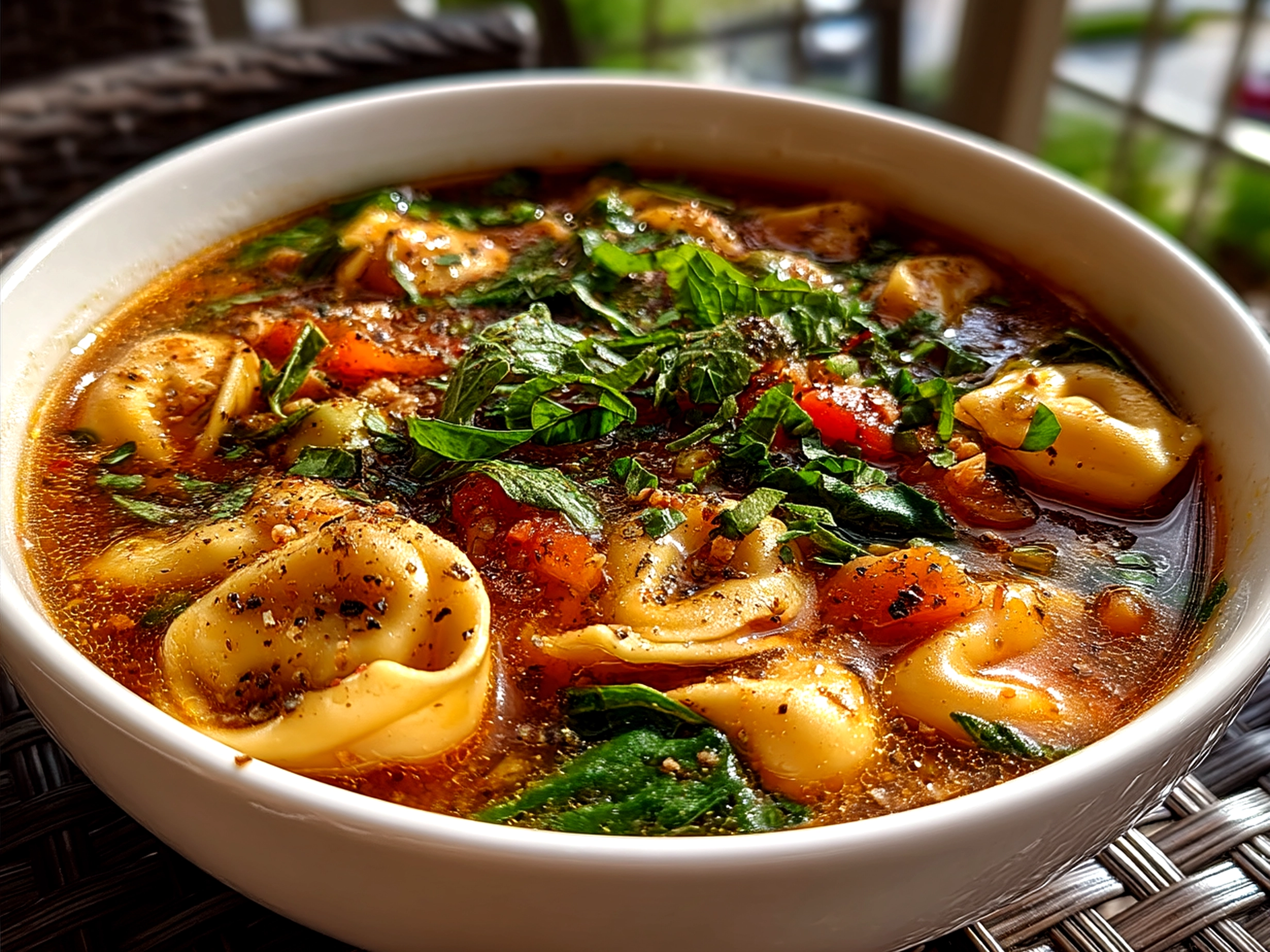
Presentation matters because it invites anticipation. A deep bowl, garnished with a sprinkle of Parmesan and a twist of black pepper, elevates the humble soup to something worthy of slow savoring. Try serving it in rustic ceramic bowls to match the food’s warmth.
Seasonal variations keep the soup dynamic. In spring, fresh peas or asparagus can join the broth. During colder months, root vegetables like parsnips and butternut squash enhance the profile, creating heartier spins on this Italian tortellini soup classic.
Friends have often told me how this soup reminds them of their own family tables, sparking memories of both tradition and experimentation. The sausage tortellini soup with its spicy touch has had enthusiastic responses, while the creamy tomato and spinach tortellini soup cited on The Cozy Cook always brings invitations for seconds.
If you want to see how this connects to broader themes in comfort food, my stories about ramen noodle soup and stuffed pepper soup provide further insight into how soups serve as vessels for both flavor and memory. Check those out here: ramen noodle soup and stuffed pepper soup.
Common Questions
1. What makes Tortellini Soup different from other pasta soups?
The shape and filling of tortellini bring a special touch. Unlike plain noodles, cheese or meat filling inside the tortellini adds richness. The broth balances this richness with lightness, making it neither dry nor heavy.
2. Can I prepare Tortellini Soup in advance?
Yes, though with caution. The broth and vegetables can be made ahead, but add tortellini right before serving to prevent them from overcooking and breaking down.
3. How do I know when my Tortellini Soup is properly done?
Look for tortellini that float to the surface and have a tender, al dente bite. Spinach should be wilted but bright green. The broth will taste harmonious—try it often.
4. Is cheese tortellini necessary, or can I use other fillings?
Cheese tortellini is classic, but spinach or meat tortellini work well too, creating different versions from creamy tortellini soup to vegetable tortellini soup.
5. How do I keep the broth clear yet flavorful?
Use homemade or high-quality broth, strain if needed, and avoid stirring too vigorously once tortellini is added.
6. Can I make this Tortellini Soup vegetarian or vegan?
Absolutely, use vegetable broth and vegetable tortellini. For creaminess, coconut milk or plant-based cream works as a substitute in some creamy tortellini soup variations.
7. Are there techniques to keep tortellini from sticking?
Keep the broth gently simmering, not boiling rapidly. Stir gently after adding tortellini, and serve soon after cooking.
Extra insights often come from those trying sausage tortellini soup variations, where the technique involves browning sausage separately before mixing into the broth. It adds depth and a savory counterpoint.
For more context on techniques related to emblematic comforting broths, my kitchen reflections on one-pot creamy chicken taco soup may offer useful parallels in managing texture and flavor balance.
Closing Thoughts
Tortellini Soup stands out because it carries the warmth of Italian tradition alongside a flexibility that invites personalization. Its balance of creamy cheese tortellini, vibrant herbs, and rich broth creates a dish that is both simple and nuanced.
Key insights include:
- Quality ingredients transform Tortellini Soup; fresh pasta and homemade or thoughtful broth make a marked difference.
- Timing during cooking decides texture, especially when to add tortellini and greens.
- Variations like spinach tortellini soup or vegetable tortellini soup allow for seasonality and personal taste to shape the final meal.
Tortellini Soup comes in tested variations worth trying: a creamy tomato and spinach tortellini soup that brings lushness, the heartier sausage tortellini soup for meat lovers, or a classic Italian tortellini soup with just simple broth and herbs.
Each version affects the outcome, molding the emotional core from richly comforting to lightly refreshing. Making Tortellini Soup your own means understanding these differences and choosing what story you want to tell at your table.
From my kitchen to yours, this soup is worth the attention, the care, and the moments you spend stirring, tasting, and setting the table for conversation. There is quiet magic in serving something that feels like a shared memory waiting to happen.
For anyone seeking to expand beyond this, pairing Tortellini Soup with other nourishing soups shows how food narratives blend. You might enjoy Ang’s Creamy Tortellini Soup Recipe or ideas for combining garden flavors in the Creamy Tortellini Soup with Spinach.
May your Tortellini Soup kitchen moments be filled with discovery and connection.
Tortellini Soup
A comforting and hearty Italian-inspired soup featuring cheese-filled tortellini in a savory broth with fresh vegetables and herbs. Perfect for a cozy meal any day of the week.
- Prep Time: 10 minutes
- Cook Time: 20 minutes
- Total Time: 30 minutes
- Yield: 4 servings
- Category: Dinner
- Method: Skillet
- Cuisine: Italian
Ingredients
- 1 tablespoon olive oil
- 1 small onion, diced
- 2 cloves garlic, minced
- 4 cups chicken or vegetable broth
- 1 (14.5 oz) can diced tomatoes, undrained
- 2 cups cheese tortellini (fresh or frozen)
- 2 cups fresh spinach
- 1 medium carrot, peeled and diced
- 1 stalk celery, diced
- 1 teaspoon dried basil
- 1/2 teaspoon dried oregano
- Salt and pepper to taste
- Grated Parmesan cheese, for serving
Instructions
- Heat olive oil in a large pot over medium heat. Add the onion and garlic, sauté until softened and fragrant, about 3-4 minutes.
- Add diced carrot and celery, cook for another 3 minutes until vegetables begin to soften.
- Pour in the broth and diced tomatoes with their juice. Stir in basil and oregano. Bring to a simmer.
- Add the tortellini and cook according to package instructions, typically 3-5 minutes until tender.
- Stir in fresh spinach and cook just until wilted, about 1 minute.
- Season the soup with salt and pepper to taste.
- Ladle soup into bowls and garnish with grated Parmesan cheese before serving.
Notes
For added richness, stir in a splash of heavy cream or garnish with fresh basil leaves. Serve with crusty bread for a complete meal.