
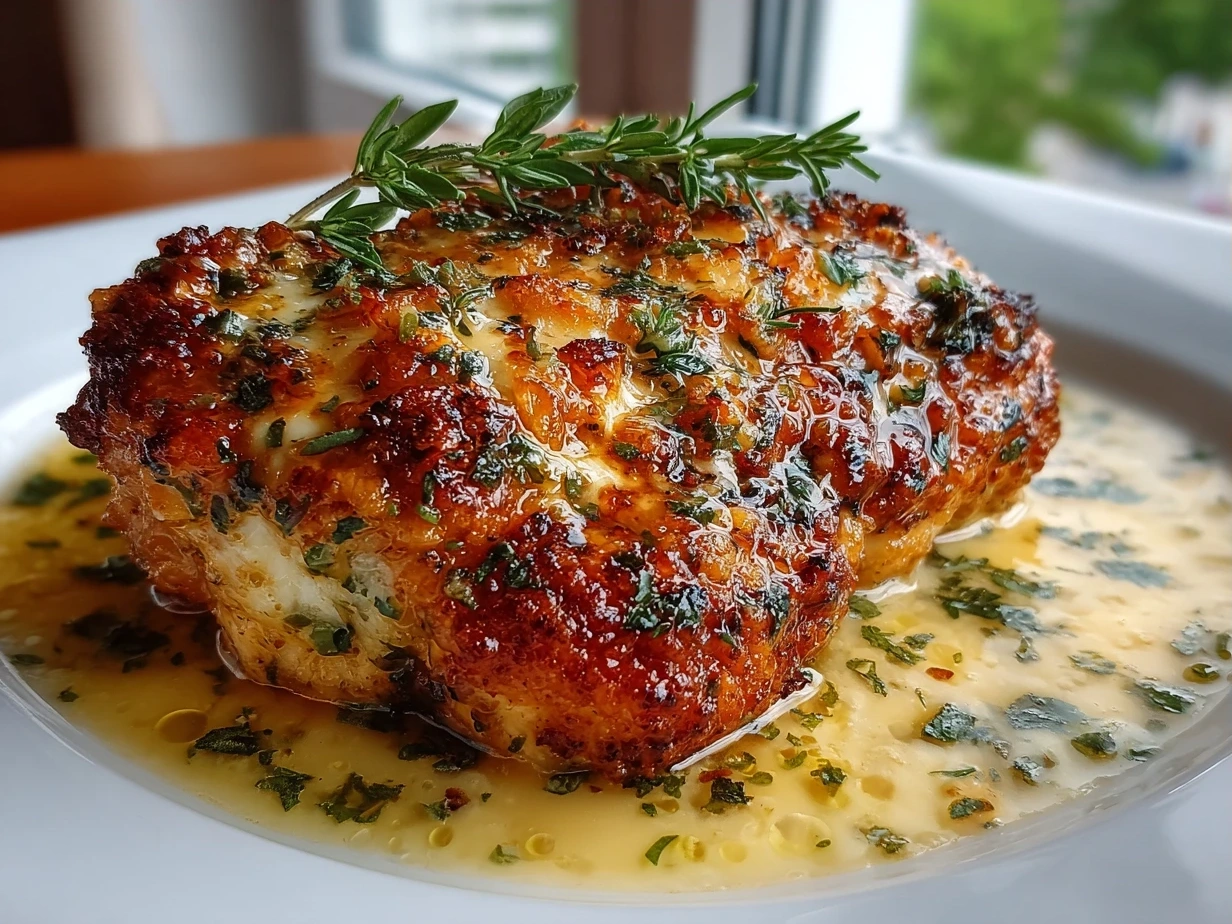
There’s a quiet afternoon memory I return to often—a dinner table bathed in late spring light where my grandmother served what she called her “special chicken.” It was unmistakably what I would now call Melt-In-Your-Mouth Chicken. The scent of garlic mingled with fresh thyme filled the kitchen as the stew simmered patiently on the stove. Each bite felt like uncovering a small secret, the chicken tender beyond expectation, falling apart softly without effort. It was her way of showing care without many words, a ritual she passed on without a recipe, just a feeling for tenderness and time.
That moment shaped how I think about tender chicken recipes ever since. The Melt-In-Your-Mouth Chicken taught me early on that achieving perfect texture is less about speed and more about attention—a slow simmer, a soak in flavors, an easy chicken marinade working its magic quietly overnight. This idea challenged me in the beginning, especially coming from rushed weekday meals, but the payoff was undeniable. The soft chicken texture became a testament to patience and respect for the ingredient, rather than just a plate of food.
This notion naturally led to exploring juicy chicken cooking tips: how to coax out moisture, how to avoid drying the meat, how to marry flavor with softness. It also connected me to rich traditions in the kitchen, linking every slow cooking method for chicken to stories from kitchens all over the world. For anyone curious, the learning curve can feel like a special journey, with small steps turning ordinary chicken into something extraordinary.
Join me as we unwrap this journey through Melt-In-Your-Mouth Chicken. Together, we’ll talk about the components that matter, the delicate process that shapes it, and the ways to bring it gracefully to your table. I’ll share what I’ve gleaned from years of practice and storytelling, and hopefully, you’ll find room to make this dish part of your own kitchen moments.
The Components
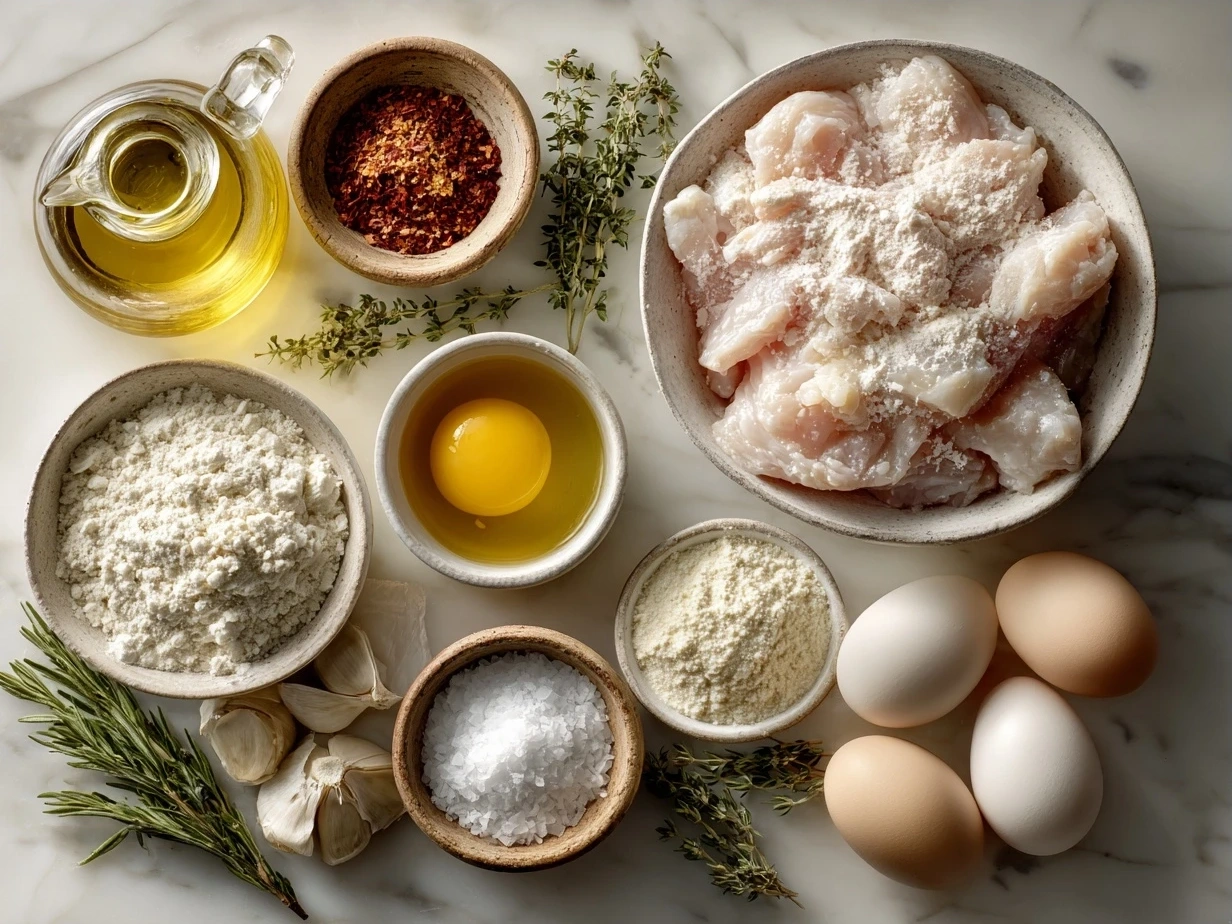
The components of a truly Melt-In-Your-Mouth Chicken go beyond just chicken and seasoning. Quality and thoughtfulness in each ingredient transform simple chicken into that tender experience we crave.
- Chicken thighs, 2 pounds (skin-on, bone-in preferred). Look for locally sourced birds if possible. Organic or pasture-raised chicken often ensures more flavorful, tender meat.
- Plain yogurt, 1 cup. Find this at farmers markets or specialty stores. The acidity in yogurt is a natural tenderizer, crucial in easy chicken marinades that gently break down proteins.
- Garlic cloves, 4 minced. Fresh garlic releases a welcoming aroma that signals the start of something delicious.
- Lemon juice, 2 tablespoons. Freshly squeezed lemon juice brightens the marinade and adds subtle zing.
- Ground cumin, 1 teaspoon. It adds warmth, hinting at traditions where Melt-In-Your-Mouth Chicken recipes evolved alongside spices.
- Salt, 1 teaspoon. Essential for drawing out moisture and enhancing flavors.
- Olive oil, 3 tablespoons. I prefer extra virgin for its richness, contributing to glossy meat surfaces and smooth mouthfeel.
- Fresh herbs like thyme or rosemary, a few sprigs. Seasonal herbs harvested at their peak offer fragrant notes that gently infuse during slow cooking.
This Melt-In-Your-Mouth Chicken adapts well to what’s available. For instance, if yogurt isn’t handy, buttermilk or a mild vinegar can step in as tenderizing agents. Using chicken thighs is purposeful—they retain moisture better than breasts, especially when slow-cooked.
Beyond ingredients, how you prepare them influences the outcome. I always pat chicken dry before adding marinade; dry skin crisps better, while the yogurt marinade nurtures softness beneath. Fresh herbs should be gently bruised to release their oils without overpowering the dish.
Focusing on seasonality deepens respect for this Melt-In-Your-Mouth Chicken. Light lemon and tender herb notes remind me that spring and summer are natural companions to the dish, aligning flavors with nature’s rhythms.
The Process
Making Melt-In-Your-Mouth Chicken invites patience and precise attention, a ritual rather than a race. Here’s a step-by-step approach I have refined through repeated practice.
- Prepare the marinade by mixing yogurt, lemon juice, garlic, cumin, salt, and olive oil. This straightforward combination is the foundation of tender chicken recipes and easy chicken marinades that leave the meat juicy.
- Pat chicken thighs dry to ensure the marinade adheres well.
- Submerge the chicken in the marinade. Cover tightly and refrigerate overnight or for at least 6 hours. This slow soak is crucial for how to make soft chicken, letting the tenderizing acids and enzymes do their work.
- Preheat oven to 300°F for a slow cooking method that preserves moisture.
- Place chicken in a baking dish, skin-side up. Spoon some extra marinade over the top. The gentle heat will coax flavors together without shrinking the meat, a common issue when cooking chicken fast.
- Bake for around 90 minutes, monitoring for tenderness. You’ll notice the chicken juices thicken slightly and the aroma deepen. This Melt-In-Your-Mouth Chicken signals readiness when the meat effortlessly pulls away from the bone.
- Optional crisp finish: For a textural contrast, increase oven heat to 425°F for the last 10 minutes. The skin will crisp while the inside remains meltingly tender.
Understanding why your Melt-In-Your-Mouth Chicken behaves this way is rewarding. The marinade breaks down protein fibers slowly. The low oven temperature prevents drying while promoting even cooking. Over the years, I’ve learned subtle timing adjustments based on chicken size and oven quirks—these kitchen moments sharpen intuition.
While your Melt-In-Your-Mouth Chicken cooks, notice how the aromas shift from raw garlic sharpness to toasty, herb-laden warmth. It’s a sensory progression that confirms the dish’s transformation.
This step in making Melt-In-Your-Mouth Chicken requires attention but repays your patience with gentle, juicy perfection. These juicy chicken cooking tips link closely to techniques shared in resources like How to make my chicken soft and moist in curries? : r/IndianFood, where slow marinating plays a starring role.
Bringing It to the Table
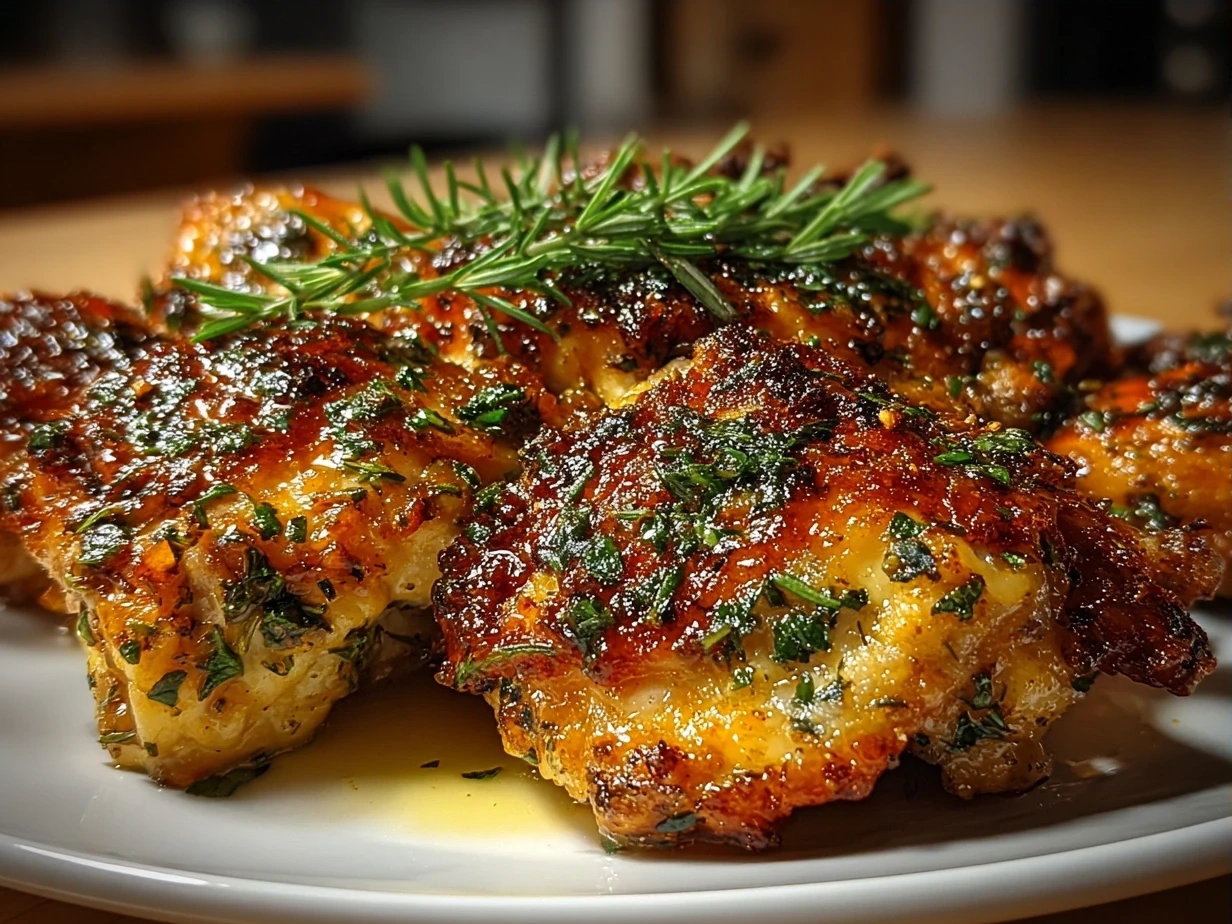
This Melt-In-Your-Mouth Chicken fits various kitchen narratives—from weeknight dinners to special gatherings. Its tender texture and rich flavors offer versatility.
Pair it with bright, fresh sides like a lemony arugula salad or rustic roasted root vegetables. The contrast of crisp greens and mellow chicken textures charms the palate. For heartier occasions, it complements creamy mashed potatoes or a rice pilaf scented with mild spices.
Consider serving this Melt-In-Your-Mouth Chicken when slow food is the story—holiday feasts, cozy weekend meals, or when you want to honor tradition with ease.
Presentation matters in subtle ways. Leaving some skin on and crisped adds visual and textural appeal, making the dish inviting while preserving softness. Garnishing with fresh herbs at the table echoes the meal’s fresh ingredients.
For seasonal variations, swap herbs to match availability—dill or tarragon in summer, sage or thyme come fall. You’ll find the chicken remains consistently tender, allowing the changing garnish to sing a new song.
Others often respond with surprise to how tender Melt-In-Your-Mouth Chicken can be after waiting for the marinade and slow bake. It invites conversations about cooking technqiues or memories shared over food. This connects to broader themes in easy chicken marinades and chicken slow cooking methods seen across cultures.
This dish shares technique kinship with lighter meals like lentil burgers or sweet potato pancakes found on FoodNarrative, each teaching patience and ingredient respect in their own way.
Common Questions
What makes this Melt-In-Your-Mouth Chicken different from similar dishes? It’s the intentional blend of marinade acidity, slow cooking temperature, and ingredient quality ensuring texture and juiciness beyond everyday chicken.
Can I prepare this Melt-In-Your-Mouth Chicken in advance? Yes. It holds well for a day or two refrigerated. Reheat gently to preserve softness and avoid overcooking. Planning ahead enhances flavors through longer marinade times.
How do I know when my Melt-In-Your-Mouth Chicken is properly done? The meat should pull away from the bone easily, and a gentle press will reveal tender, moist flesh. Internal temperature will reach about 165°F, but feel and look matters most.
Are chicken thighs better than breasts for this dish? Yes, thighs have more connective tissue that breaks down with slow cooking, producing juicier and more tender results.
What if I don’t have yogurt for the marinade? Buttermilk or lemon juice with a touch of oil can substitute. The key is gentle acidity paired with fat.
Can I cook this chicken in a skillet instead of the oven? You can, following techniques shared in How to cook chicken in a skillet? Teach me like I’m a 10 year old …, but watch timing closely to avoid drying the meat.
Does slow cooking methods affect the flavor? Absolutely. Slow cooking allows flavors to meld deeply without collapsing the meat’s moisture. It’s the cornerstone of juicy chicken cooking tips.
How long should I marinate the chicken? At least 6 hours, ideally overnight, for how to make soft chicken that melts on contact.
Common questions I’ve received resonate with those on Facebook groups discussing Soft BBQ chicken recipes, showing how many seek reliable techniques for tender meat.
Closing Thoughts
Melt-In-Your-Mouth Chicken rewards what might seem like extra effort with a gift of genuine tenderness and depth of flavor.
Bold Insights:
- The marriage of acidity and slow heat transforms even standard chicken thighs into extraordinary tender meat.
- Patience in marinating and baking is key—this dish asks you to slow down, listen, and watch.
- Ingredient quality, from fresh herbs to good yogurt, matters deeply in results.
I’ve tested variations including a honey-lime marinade adding brightness, a spice-forward cumin and coriander blend, and a creamy coconut milk-based soak yielding richer textures.
Different approaches shape how soft your chicken turns out, how much the flavors shine, and even the dish’s final aroma. Making Melt-In-Your-Mouth Chicken your own means balancing these elements to your taste and schedule.
This dish holds a special place in my cooking—not just for its comforting textures, but for the stories it unfolds in each kitchen moment.
I encourage you to try this Melt-In-Your-Mouth Chicken. Slow down with it. Notice the transformation. Share it with someone who understands that food is a kind of storytelling—and let this chicken tell its tale around your table.
For those who appreciate this approach, consider exploring lentil burgers or sweet potato pancakes from FoodNarrative to continue your journey with thoughtful, ingredient-driven cooking. For warming dishes in cooler months, ramen noodle soup complements this style of patience and nurturing flavors.
As you fold this Melt-In-Your-Mouth Chicken into your repertoire, you join a community of food storytellers celebrating softness, flavor, and the slow joy of cooking with intention.
Melt-In-Your-Mouth Chicken

This Melt-In-Your-Mouth Chicken recipe features tender, juicy chicken cooked to perfection with a flavorful blend of herbs and spices, perfect for a comforting dinner.
- Prep Time: 10 minutes
- Cook Time: 20 minutes
- Total Time: 30 minutes
- Yield: 4 servings
- Category: Dinner
- Method: Skillet
- Cuisine: American
Ingredients
- 4 boneless, skinless chicken breasts
- 1 cup chicken broth
- 1/2 cup heavy cream
- 2 tablespoons olive oil
- 3 cloves garlic, minced
- 1 teaspoon dried thyme
- 1 teaspoon dried rosemary
- Salt and pepper to taste
- 1 tablespoon butter
Instructions
- Season the chicken breasts with salt, pepper, thyme, and rosemary.
- Heat olive oil in a skillet over medium heat and sear the chicken breasts until golden brown on both sides, about 3-4 minutes per side.
- Remove the chicken from the skillet and set aside.
- Add butter and minced garlic to the skillet and sauté until fragrant.
- Pour in the chicken broth and bring to a simmer, scraping up any browned bits from the bottom.
- Stir in the heavy cream and cook until the sauce slightly thickens.
- Return the chicken to the skillet, cover, and cook on low heat for 10-12 minutes until the chicken is cooked through and tender.
- Serve the chicken with the creamy sauce spooned over the top.
Notes
For extra flavor, garnish with freshly chopped parsley and serve alongside steamed vegetables or mashed potatoes.