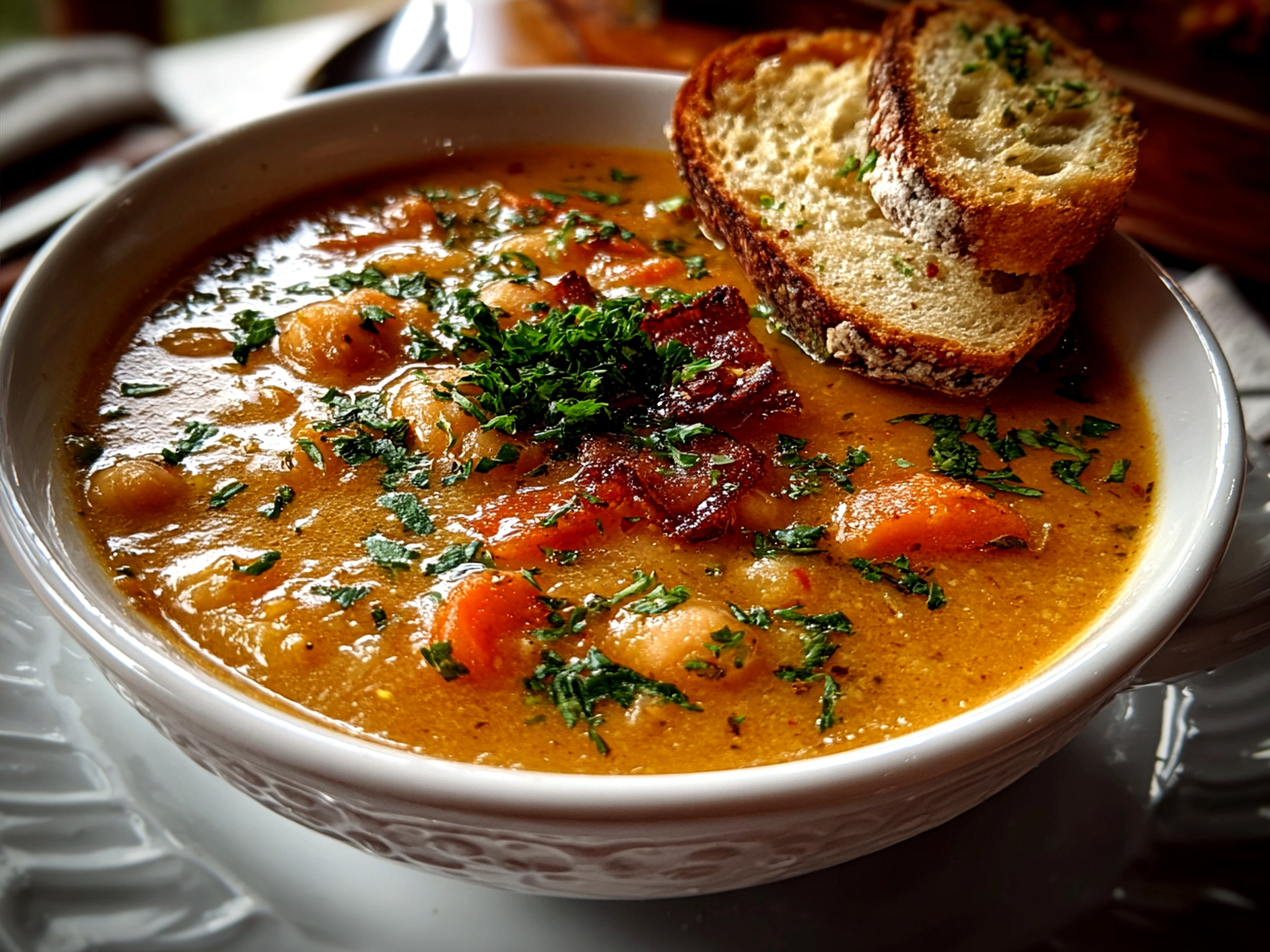
There’s something about Tuscan Chickpea Soup that always pulls me back, not just to a place on the map but to a moment in time. I first met this Italian chickpea soup on a cool autumn afternoon in a small trattoria near Florence. The air was crisp, dotted with the scent of wood smoke and fresh herbs. Sunlight filtered softly through the orange leaves outside, and inside, laughter mingled with the bubbling pot on the stove. The woman who served the soup was an elderly Tuscan cook with hands weathered by years of kneading bread and stirring stews. She told me this Tuscan Chickpea Soup was more than a meal—it was a form of comfort, a recipe passed down through generations.
What struck me first was the aroma: earthy, warm, yet light with hints of rosemary and garlic. Steaming bowls of Tuscan Chickpea Soup arrived, dotted with tender cannellini beans swimming in a rustic vegetable broth. This wasn’t just soup; it was a story told in Mediterranean flavors, the essence of Tuscan cuisine captured in a liquid embrace. The chickpeas, humble and hearty, brought a creamy texture without cream, nourished by the olive oil and fresh vegetables.
Sharing that meal felt like an invitation into a ritual of simplicity and patience. Tuscan Chickpea Soup reminded me that food traditions aren’t just preserved in elaborate dishes but in humble bowls filled with purpose and memory. It revealed how a rustic vegetable soup could speak of land, season, and family all at once. Today, I invite you to sit at this table and share in the story of Tuscan Chickpea Soup—where ingredient, technique, and tradition come together to nourish more than the body.
The Components
The beauty of Tuscan Chickpea Soup lies in ingredient quality. Here’s what transforms good Tuscan Chickpea Soup into memorable food:
- 2 cups dried chickpeas (or 4 cups cooked chickpeas) – Look for plump, firm pods if using dried chickpeas; high-quality chickpeas provide a creamy texture essential to Tuscan Chickpea Soup. You can find these at farmers markets or specialty stores.
- 1 cup cannellini beans (cooked or canned, drained) – Cannellini beans complement the chickpeas with their velvety texture, a staple in Tuscan cuisine.
- 4 cups vegetable broth – Homemade broth elevates Tuscan Chickpea Soup, but good-quality store-bought options also work well.
- 2 tablespoons extra virgin olive oil – I prefer using cold-pressed olive oil from Tuscany for its grassy, peppery notes that characterize Mediterranean flavors.
- 1 medium onion, finely diced – Sweet onions add depth; spring onions can work in a pinch.
- 3 garlic cloves, minced – Garlic is essential in Tuscan cuisine, infusing warmth and sharpness into this rustic vegetable soup.
- 2 carrots, diced – Fresh, firm carrots add subtle sweetness and color.
- 2 celery stalks, diced – Celery introduces a refreshing crunch that softens during cooking.
- 1 sprig rosemary – Fresh rosemary is key in Tuscan Chickpea Soup for its piney aroma.
- 1 bay leaf – Adds subtle earthiness.
- 1 can (14 oz) diced tomatoes – Provides acidity and a Mediterranean brightness.
- Salt and black pepper to taste
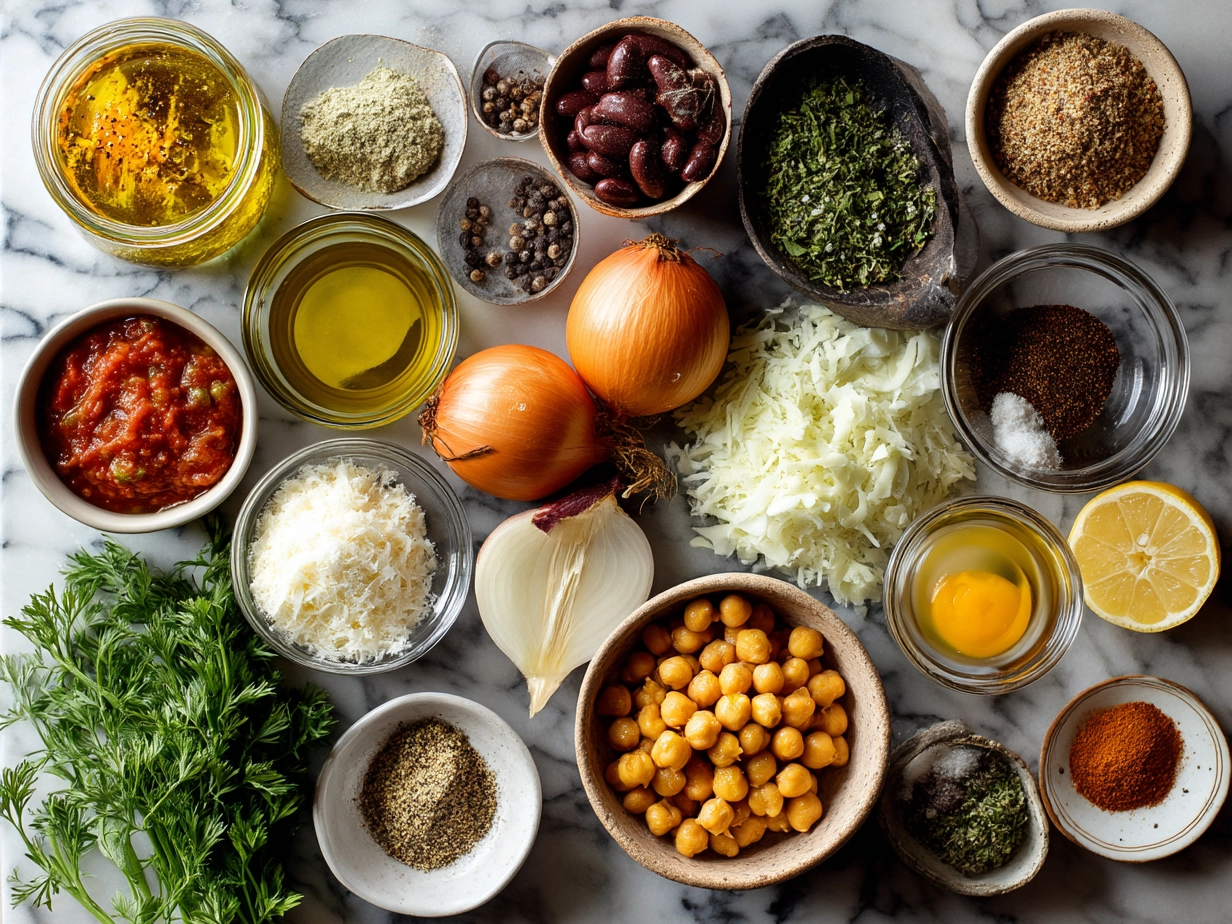
This Tuscan Chickpea Soup adapts well to what’s available fresh. When chickpeas are in season and fresh vegetables abundant, the soup sings with fresh flavors. For convenience, canned chickpeas and beans work perfectly without compromising texture. Getting the olive oil and herbs right helps anchor the dish in its Tuscan roots. Preparing the chickpeas properly—soaking overnight if dried—ensures tenderness while holding shape.
The Process
Making Tuscan Chickpea Soup requires patience and respect for each ingredient’s journey. Follow these steps carefully for a rich, layered result:
- Prepare the chickpeas. If using dried, soak them overnight in plenty of water. Drain, rinse, then simmer in fresh water for an hour or more until tender but not mushy. This step is crucial since chickpeas form the hearty base of this Tuscan Chickpea Soup.
- Sauté the aromatics. Heat olive oil in a heavy-bottomed pot over medium heat. Add diced onion, carrot, and celery. Cook gently until softened and translucent—about 8 to 10 minutes. Your Tuscan Chickpea Soup starts here, with aromas deepening as garlic hits the pan in the last minute.
- Build the broth. Add cooked chickpeas, cannellini beans, diced tomatoes, rosemary, and bay leaf to the pot. Pour in vegetable broth. Stir to blend flavors. This Tuscan Chickpea Soup develops richness through slow simmering.
- Simmer slowly. Lower heat and cover partially. Let your Tuscan Chickpea Soup cook for 45 minutes to an hour. The beans will meld with the vegetables, and broth will thicken slightly into a rustic vegetable soup. Watch as the aromas shift—olive oil mingling with rosemary and garlic, the faint sweetness of carrot lifting the broth.
- Adjust seasoning. Remove sprigs of rosemary and bay leaf. Taste, then season with salt and black pepper. Sometimes a little extra olive oil swirled in at the end enhances the silkiness.
- Optional finishing touch. For extra creaminess, lightly mash a portion of the chickpeas against the pot’s side with a spoon, stirring them back in. This technique gives Tuscan Chickpea Soup a thicker body without losing the rustic texture.
Repeated making of this Tuscan Chickpea Soup taught me the importance of balancing simmer time and seasoning. Too long, and chickpeas break down completely; too short, and they stay firm but don’t release full creaminess. Understanding these nuances builds confidence in a seemingly simple dish. While your Tuscan Chickpea Soup cooks, notice how the kitchen fills with something grounding—a hint of Tuscan countryside captured in your pot.
Bringing It to the Table
This Tuscan Chickpea Soup pairs beautifully with a crusty artisan bread, fresh from the bakery or your own oven. It dresses the table with warmth on chilly days or fits into a light supper alongside a green salad tossed with lemon and herbs.
Consider serving this Tuscan Chickpea Soup when you want food with a story that comforts quietly rather than shouts. It shines in weekend meals when there’s time for slow conversations and unexpected company. For gatherings, offer a sprinkle of grated Pecorino Romano or a drizzle of chili-infused olive oil to deepen flavor layers.
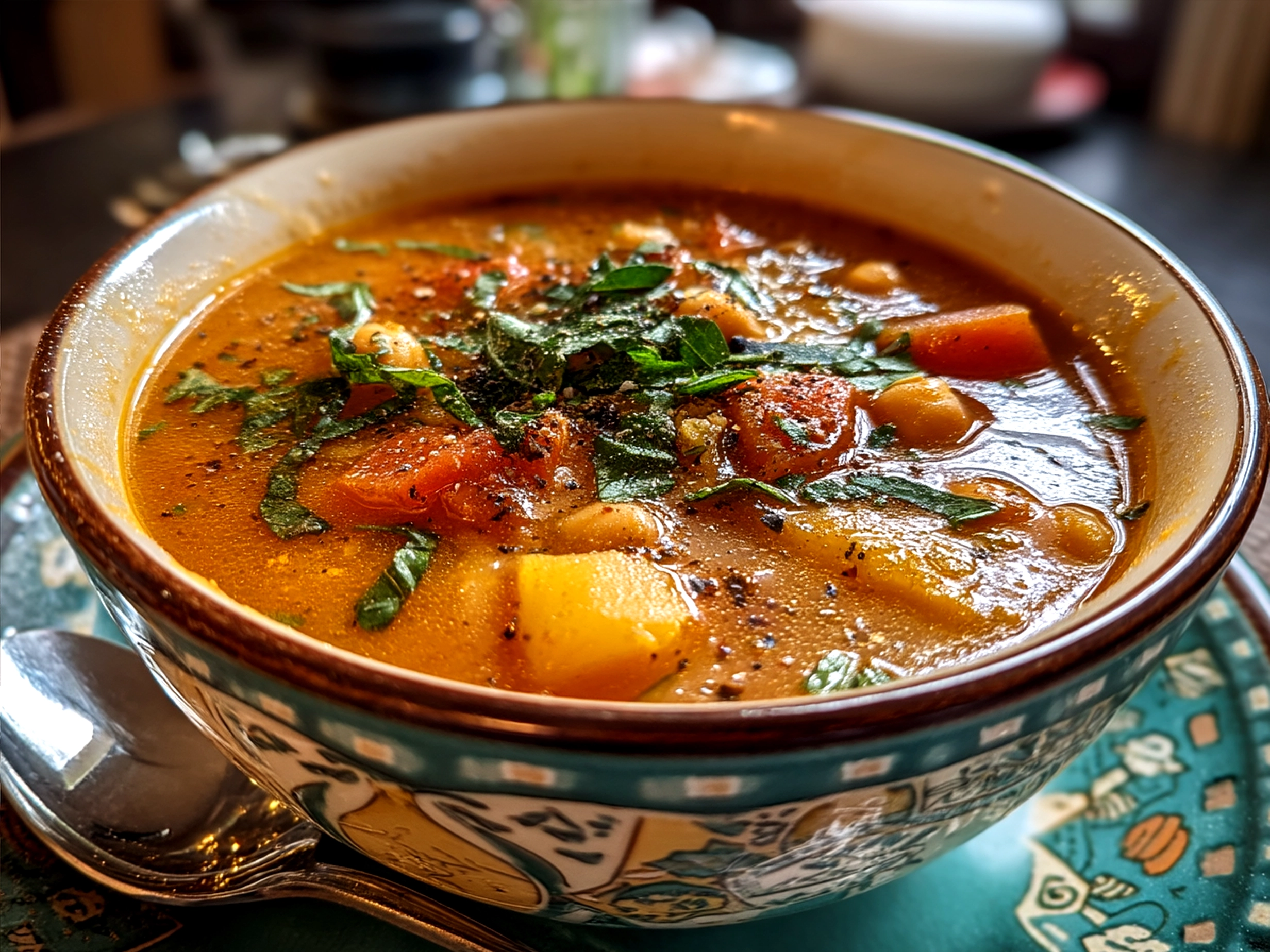
Presentation-wise, this Tuscan Chickpea Soup looks inviting when served in rustic earthenware bowls, steam rising softly. Its Mediterranean flavors lend well to seasonal variations—try adding chopped kale or Swiss chard for a nutrient boost when greens are at their peak. Others who have tasted my Tuscan Chickpea Soup often remark on its wholesome character and the feeling of connectedness the dish evokes.
This Tuscan Chickpea Soup shares techniques with another favorite, the comforting ramen noodle soup, where slow simmering builds complex broth. For those who appreciate this approach, consider exploring stuffed pepper soup too—both dishes celebrate humble ingredients transformed by time.
Common Questions
What makes this Tuscan Chickpea Soup different from similar dishes? Its use of both chickpeas and cannellini beans combined with fresh herbs like rosemary anchors it in Tuscan cuisine. The rustic vegetable soup quality comes through in the textured broth, unlike smoother purees common elsewhere.
Can I prepare this Tuscan Chickpea Soup in advance? Yes. It often tastes better the next day as flavors marry. Store in an airtight container, then reheat gently, adding extra broth or water if it thickened too much.
How do I know when my Tuscan Chickpea Soup is properly done? The chickpeas should be tender yet intact, and the broth slightly thickened but not dry. The aroma will be fragrant with herbs, garlic, olive oil, and a subtle sweetness from vegetables.
Are canned chickpeas acceptable? Absolutely. Canned chickpeas save time and still provide the creamy texture needed, especially in rush kitchen moments.
Can I freeze Tuscan Chickpea Soup? Yes, but some texture changes may occur. Freeze in portions, thaw slowly, and stir well after reheating.
What’s the role of cannellini beans here? Cannellini beans add depth to the creamy mouthfeel and provide a smooth contrast to chickpeas’ earthiness. They’re traditional in Tuscan cuisine and available at most grocery stores.
Is olive oil essential? Yes, extra virgin olive oil defines the flavor profile, giving Tuscan Chickpea Soup richness and authenticity.
If you’re curious to see a slow cooker Tuscan bean soup variation that simplifies the process, it offers a hands-off option worthy of attention. For creamier versions, this creamy Tuscan chickpea soup in your slow cooker also shares secrets with my classic approach.
Closing Thoughts
Tuscan Chickpea Soup is worth your effort because it is a dish with grace in its simplicity and depth in its flavors. Each spoonful tells of Tuscan countryside and the rhythms of Tuscan cuisine.
Key insights:
- The combination of chickpeas and cannellini beans creates a creamy texture without needing cream.
- Slow simmering develops complex, layered flavors from humble ingredients.
- Fresh Mediterranean flavors—rosemary, garlic, and olive oil—are essential for authenticity.
I’ve tried creamy variations, slow cooker methods, and even adding wilted greens to shift this soup’s character. Each approach brings something unique to Tuscan Chickpea Soup. My favorite remains the traditional rustic vegetable soup form that feels like a warm handshake.
Make this Tuscan Chickpea Soup your own. Adjust herbs to taste; add vegetables to season. There’s room here for creativity inside the frame of tradition.
If your kitchen moments lead you to try other comforting broths, consider how flavors build and sustain. My stories around dishes like best Tuscan white bean soup, or even the layered one-pot richness in creamy chicken taco soup, all speak to this idea of food connecting to place and memory.
Tuscan Chickpea Soup invites you to pause, taste, and remember. It’s not just a soup but a chapter in the ongoing narrative of food that feeds body and soul.
Tuscan Chickpea Soup
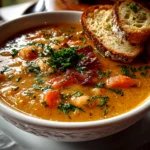
This hearty Tuscan Chickpea Soup features creamy chickpeas simmered with fragrant herbs and fresh vegetables, delivering a comforting and nutritious Italian-inspired meal.
- Prep Time: 10 minutes
- Cook Time: 35 minutes
- Total Time: 45 minutes
- Yield: 4 servings
- Category: Dinner
- Method: Skillet
- Cuisine: Italian
Ingredients
- 2 tablespoons olive oil
- 1 medium onion, diced
- 2 cloves garlic, minced
- 2 medium carrots, diced
- 2 celery stalks, diced
- 1 teaspoon dried rosemary
- 1 teaspoon dried thyme
- 1 bay leaf
- 1 (15 oz) can chickpeas, drained and rinsed
- 4 cups vegetable broth
- 1 (14 oz) can diced tomatoes
- 2 cups chopped kale or spinach
- Salt and freshly ground black pepper, to taste
- Freshly grated Parmesan cheese, for serving (optional)
Instructions
- Heat olive oil in a large pot over medium heat. Add the diced onion, carrots, and celery; sauté until softened, about 5-7 minutes.
- Add minced garlic, rosemary, thyme, and bay leaf; cook for another 1-2 minutes until fragrant.
- Add chickpeas, vegetable broth, and diced tomatoes with their juice. Stir to combine.
- Bring the mixture to a boil, then reduce heat to low and simmer uncovered for 25-30 minutes to develop flavors.
- Add chopped kale or spinach in the last 5 minutes of cooking, stirring until wilted.
- Remove bay leaf; season the soup with salt and freshly ground black pepper to taste.
- Ladle soup into bowls and top with freshly grated Parmesan cheese if desired. Serve warm.
Notes
For extra flavor, garnish with a drizzle of good quality extra virgin olive oil and serve with crusty bread for dipping.