

There’s a particular kitchen moment I recall clearly—a quiet Sunday morning when the light spilled through lace curtains in just the right way, casting soft patterns across wooden counters dusted lightly with flour. It was then I made my first batch of sourdough popovers. The process felt like an old story passed along in whispers, full of patience and quiet rewards. The sourdough popovers were shared with my grandmother, her eyes sparkling as the crispy golden popovers emerged from the oven, puffed high and fragrant. The air was alive with the faint tang of fermented batter and warmth, a combination that felt like home.
Sourdough popovers hold a subtle magic for me. They are not simply air-filled pockets of dough but rather a bridge between tradition and present-day kitchen explorations. This sourdough starter popovers recipe reveals the character lent by wild yeasts and cultures thriving inside the starter, contributing not only flavor but history. The airy popover recipe, when rooted in sourdough batter, carries a texture and complexity unlike anything made from commercial yeast.
These popovers are more than a quick side or snack. They invite you to witness how simple ingredients meet time and technique to transform. I invite you to join me in uncovering what makes sourdough popovers tick—the transformation from humble batter to crispy golden popovers that crackle gently as you tear into them. This is a dish worth suspending the rush of daily life for, a small ritual that carries stories baked in every crisp, airy crumb.
The Components
For a truly memorable batch of sourdough popovers, the ingredients matter. Each item plays a quiet but vital role in shaping the final texture and flavor of these homemade sourdough bread popovers.
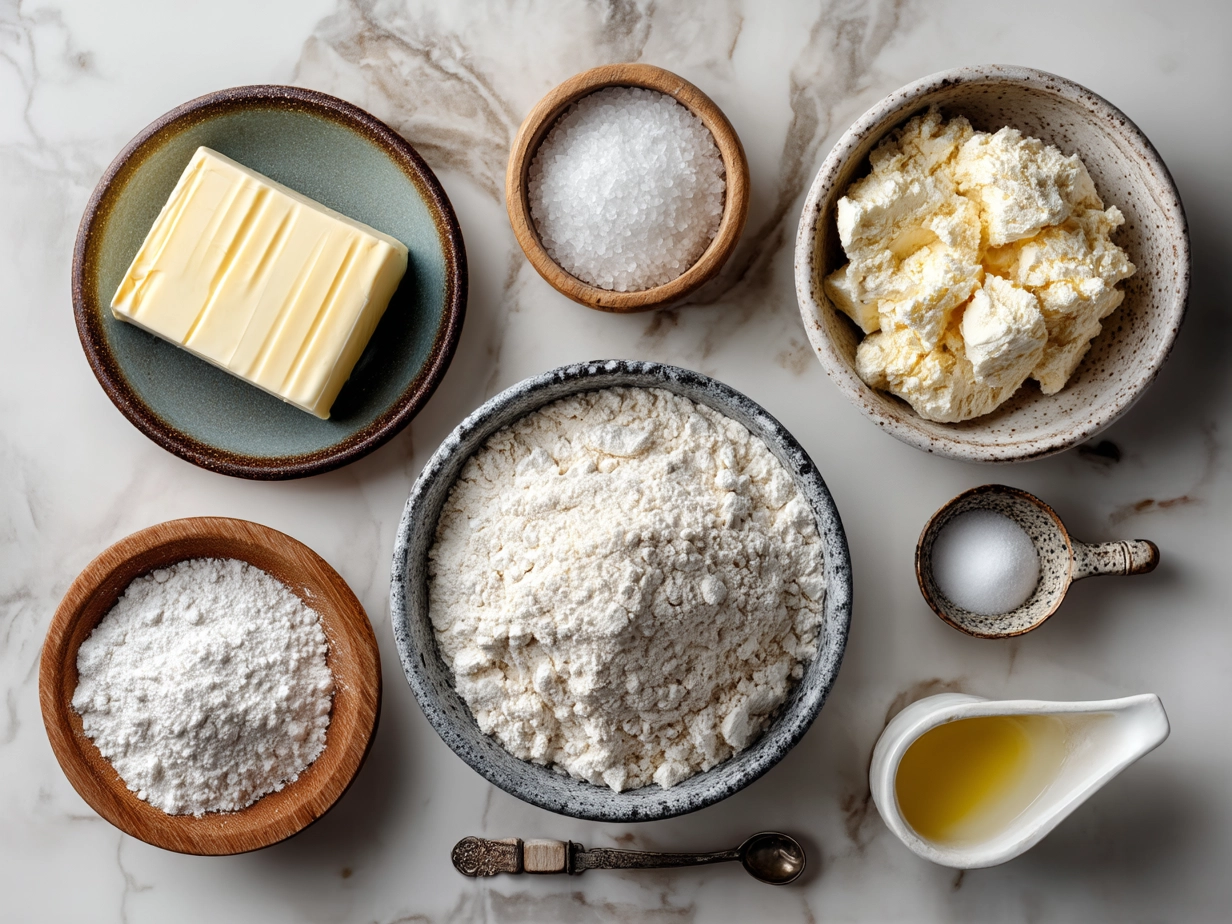
- 1 cup (240 ml) active sourdough starter (100% hydration): Look for a lively starter that bubbles and smells slightly tangy. You can find starters or guidance for building one at specialty markets or through home fermentation communities. Your sourdough starter popovers will rely on this lively culture.
- 1 cup whole milk, warmed: Freshness counts here. I prefer local dairy from farmers markets that hasn’t been over-pasteurized for richer taste and creaminess.
- 2 large eggs, room temperature: Eggs provide structure and richness. Using fresh eggs from a trusted source supports the airy lift in the batter.
- 1/2 cup all-purpose flour: Look for unbleached flour with a good protein content. This sourdough batter adapts well if you incorporate a bit of whole wheat or spelt flour for added depth.
- 1/2 teaspoon kosher salt: The salt sharpens flavor and balances the sour tang of the starter.
- 1 tablespoon unsalted butter, melted: Butter adds richness to the batter and greases the pan for easy release.
If you’re finding any ingredient hard to source, substitutions often suit this sourdough popovers recipe. For instance, you can substitute whole milk with buttermilk or oat milk for a different tang and moisture profile. Unsalted butter can also be replaced with ghee or a mild neutral oil, though butter keeps the familiar flavor many enjoy.
These components work in harmony to create the crispy golden popovers that have a toasted crust and a hollow, airy interior. When ingredients are fresh and thoughtfully chosen, your homemade sourdough bread popovers will carry a depth and nuance impossible to replicate with shortcuts.
The Process
1. Prepare your sourdough starter popovers batter: Begin by stirring together your active sourdough starter and warmed whole milk. It’s important that the starter is bubbly and recently fed, which means it’s active and full of life. This living ferment is what breathes vitality into the batter.
2. Whisk in the eggs: Next, crack in your eggs and beat them into the sourdough batter. This blends richness and structure, essential for lift.
3. Add the flour and salt: Gradually sift in the flour and salt while whisking gently, avoiding overmixing. The goal is a smooth batter with no lumps but not overworked to toughen the final popovers.
4. Rest the batter: Letting the sourdough batter rest for 30 minutes to an hour at room temperature enhances the fermentation flavors and improves texture. This step requires patience but is key to developing that classic sourdough tang and lightness.
5. Preheat your oven and popover pan: While the batter rests, heat your oven to 450 degrees Fahrenheit (230 Celsius). Place a well-greased popover pan inside the oven to warm. This high heat jumpstarts the sizzling, puffing process once the batter hits the hot metal.
6. Fill the molds and bake: Pour your sourdough batter carefully into the hot popover tins, filling each about halfway. Immediately transfer to the oven and bake for 15 minutes at high heat. Then reduce temperature to 350 degrees Fahrenheit and bake for an additional 20 minutes.
7. Watch your popovers rise: The sourdough popovers will puff from flat batter into tall, hollow cups with crispy golden edges. Your kitchen will fill with the distinct aroma of fermented dough meeting heat—a scent to mark many happy mornings.
8. Avoid opening the oven early: Keep the oven closed during baking to maintain steam, crucial for haute popover rise and airy texture.
9. Remove and rest: Once golden and firm, take the popovers out and let them cool slightly. This resting allows the crust to crisp further and the inside to set.
Repetition teaches you subtleties—maybe your starter is wetter, so you adjust flour slightly. Or, you learn how the ambient temperature tweaks baking time. Making sourdough popovers this way is a conversation between you and your kitchen, one marked by observation and care.
Bringing It to the Table
Sourdough popovers hold a quiet versatility that shines in various settings. They are equally at home on a special brunch table or a simple weekday supper.
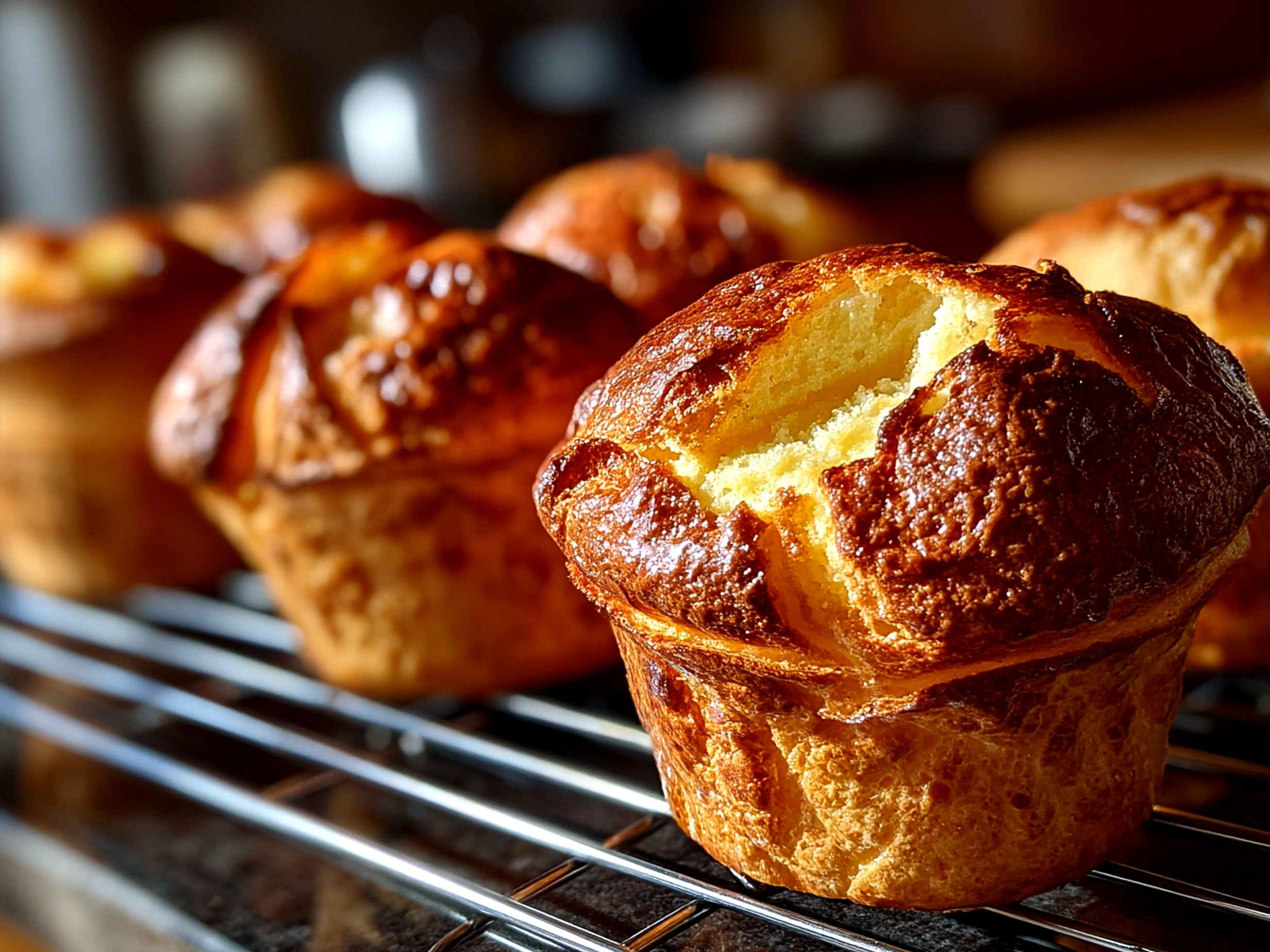
Their airy texture and crisp edges welcome an array of accompaniments. Consider savory pairings like rich roast chicken or a fresh, tangy salad. Butter melting into the hollow cups of these homemade sourdough bread popovers is an easy pleasure. For a sweet option, a drizzle of honey or a spread of homemade jam carries the sour notes beautifully.
Seasonal shifts inspire tweaks in serving. Early spring finds me filling sourdough popovers with fresh pea shoots and herb butter. Autumn invites roasted pumpkin and sage inside their tender walls. These small shifts reflect how food lives with the seasons.
Presentation matters here. A rustic ceramic platter piled with golden popovers invites guests to help themselves, fostering casual sharing. This ritual of passing around sourdough starter popovers naturally encourages conversation and connection.
Many who’ve tasted mine respond to the contrast of the crispy golden popovers shell and the tender, chewy crumb. It’s a textural story told with each bite—one that keeps inspiring repeat servings and requests for the recipe.
You might find inspiration in recipes like those at How To Make Sourdough Popovers, Step-By-Step – The Clever Carrot or the easy discard variations at How to Make Sourdough Popovers (Easy Discard Recipe). These guides extend the conversation about this classic sourdough batter.
Common Questions
What makes sourdough popovers different from regular popovers? The key difference lies in the sourdough starter popovers use wild yeast and bacteria instead of commercial yeast. This lends a unique tang, deeper aroma, and improved texture not matched by typical recipes.
Can I prepare sourdough popovers in advance? The batter benefits from resting before baking, but I recommend baking and serving popovers fresh the same day for maximum puff and crispness. You can refrigerate the batter up to 12 hours but bring to room temperature before baking.
How do I know when my sourdough popovers are properly done? Your popovers will be golden brown and sound hollow when tapped. The edges should be crisp, and your batter fully set inside. If the crust feels soft or wet, extend baking in five-minute intervals.
Is a sourdough starter popovers recipe hard for beginners? There is a technique involved, especially managing batter consistency and oven temperature. However, instructions like those on The Clever Carrot | Sourdough Bread & Made From Scratch Recipes offer practical tips, and repeated kitchen moments build confidence.
Can I use sourdough discard for these popovers? Yes. Many cooks use sourdough discard versions to reduce waste, adapting hydration slightly. Try sourdough discard banana muffins too for other friendly uses.
How important is pan temperature? Very. Putting batter into a hot, greased pan creates necessary steam and the initial lift for your sourdough popovers to rise tall and airy.
What if my popovers don’t rise? Factors include cold batter, oven temperature fluctuations, or low starter activity. Ensure your starter is lively and your oven fully preheated.
Can I freeze sourdough popovers? I prefer enjoying them freshly baked, but leftover popovers freeze well wrapped airtight. Reheat in a hot oven for a few minutes to recapture some crisp.
Why is my popover crust not crispy? Baking long enough and avoiding opening the oven early help build crispness. You can also brush the tops with melted butter mid-bake for a buttery crust.
How can I make an airy popover recipe using sourdough batter? The airiness comes from carefully balancing hydration, eggs, and heat. Respecting resting times and preheated pans guides this transformation.
Closing Thoughts
Sourdough popovers reward your patience and attention with delicate structure and complex flavor. Three key insights stand out from repeated kitchen moments:
- A lively sourdough starter is your secret weapon for flavor and fermentation lift.
- Temperature control, especially oven and pan heat, profoundly affects rise and texture.
- Resting the batter deepens tang and lightness, making your popovers more than mere bread.
For variations, try incorporating grated cheese into the batter for a savory twist, swapping in herbs like rosemary or thyme, or experimenting with whole grain flours for earthy notes. Each adaptation changes the character of these homemade sourdough bread popovers in rewarding ways.
Sourdough popovers hold a special place in my cooking because they remind me daily that food is a dialogue—between ingredients, time, and the hands that guide them. They invite us to slow down and witness the alchemy happening inside a warm oven.
You’re warmly invited to make sourdough popovers your own, with your starter, your kitchen moments, and your stories to share. Let these crispy golden popovers be a small celebration every time you break their fragile crust.
For a related narrative on sourdough’s potential beyond popovers, you might enjoy my reflections on Chocolate Chip Sourdough Cruffins or the sweet ease of Sourdough Discard Banana Muffins. If lemon and blueberry mornings call you, don’t miss the tale behind the Lemon Blueberry Sourdough Bread.
This sourdough batter stands as a canvas for transformation—ready to carry your attention, your time, and your love into something remarkable. Trust the process, welcome the learning, and savor the moments shared around these humble, magical sourdough popovers.
Sourdough Popovers

Light and airy sourdough popovers with a crisp golden crust make a perfect breakfast or snack. These easy-to-make treats showcase the tangy flavor of sourdough in a classic popover form.
- Prep Time: 10 minutes
- Cook Time: 35 minutes
- Total Time: 45 minutes
- Yield: 6 servings
- Category: Breakfast
- Method: Baked
- Cuisine: American
Ingredients
- 1 cup sourdough starter (active and bubbly)
- 1 cup all-purpose flour
- 1 cup whole milk
- 2 large eggs
- 1/2 teaspoon salt
- 2 tablespoons unsalted butter (for greasing the pan)
Instructions
- Preheat the oven to 450°F (232°C). Place a 12-cup popover pan or muffin tin in the oven to heat.
- In a mixing bowl, whisk together the sourdough starter, flour, milk, eggs, and salt until smooth and well combined.
- Carefully remove the hot pan from the oven and grease each cup with unsalted butter.
- Pour the batter evenly into the cups, filling them about two-thirds full.
- Place the pan back in the oven and bake at 450°F for 15 minutes.
- Lower the oven temperature to 350°F (175°C) and continue baking for an additional 20 minutes, or until the popovers are puffed up and golden brown.
- Remove from the oven and serve immediately for best texture and flavor.
Notes
For extra flavor, serve the popovers warm with honey butter or your favorite jam.