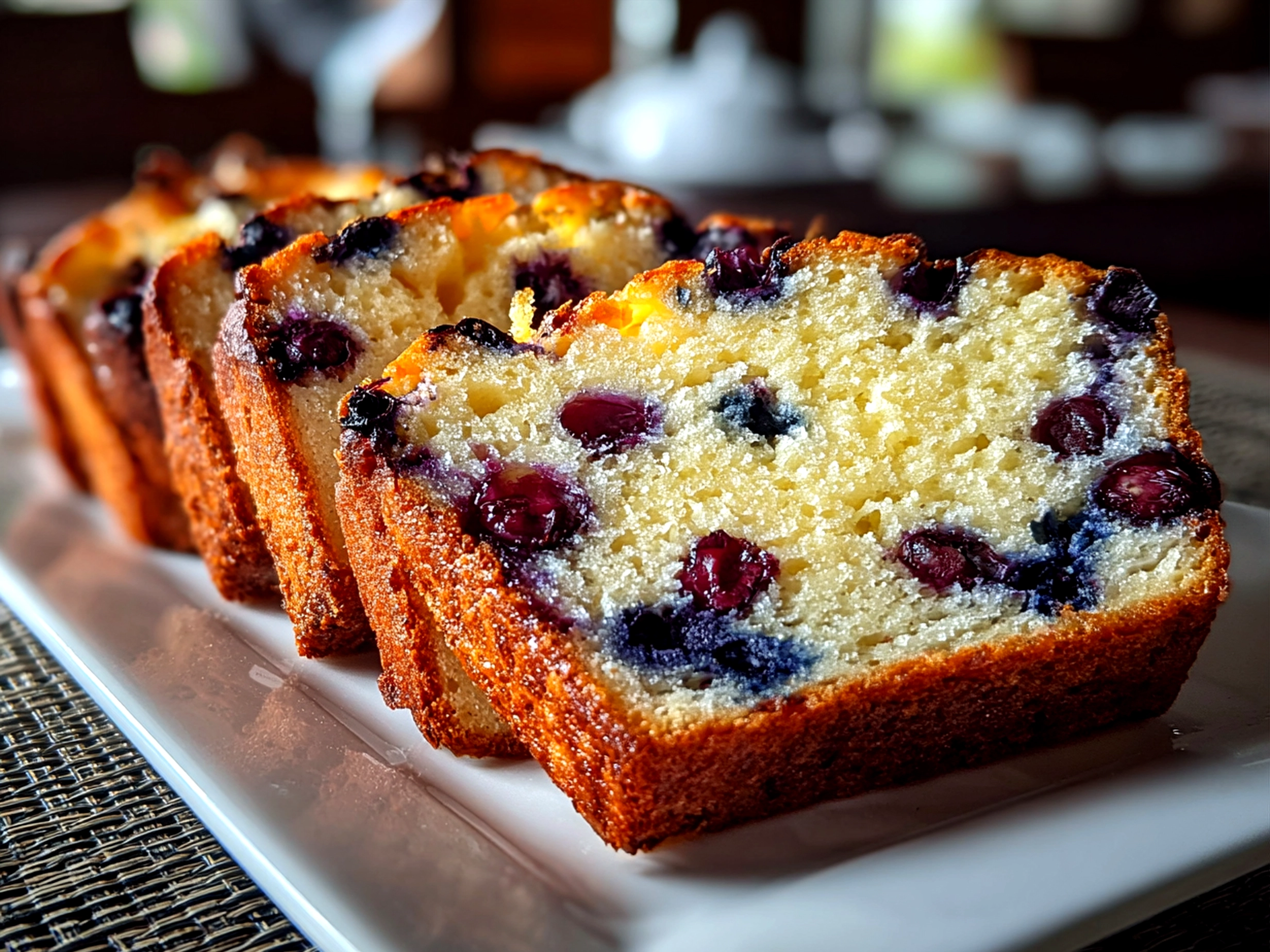
I first encountered sourdough discard blueberry bread on a crisp autumn morning, the kitchen filled with the golden light of early fall. A friend invited me for breakfast, and on the table sat a loaf that seemed to carry the warmth of the season itself. The aroma was a mix of tangy sourdough mingling with the sweet burst of blueberries, while the soft crackle of the crust breaking hinted at the care behind it. The sourdough discard blueberry bread wasn’t just food; it was a moment shared, a quiet ritual of making something meaningful from what might otherwise be thrown away.
That loaf taught me how sourdough discard, often overlooked, harbors potential for more than feeding the starter or compost. Transforming it into blueberry bread revealed a tradition of no waste baking sourdough — an approach rooted in respect for ingredients and an eye for possibility. The blueberries, plump and freshly picked, felt like a secret aligned with the sourdough’s natural tang, a collaboration of flavors that made this bread sing with a lively brightness.
There’s something deeply satisfying about turning sourdough discard into a beautiful, flavorful bread. It’s a lesson in patience and intention, inviting anyone who loves sourdough to try their hand at this easy sourdough bread variation. Today, I’d like to share that story and invite you to join me in this kitchen moment, exploring how sourdough discard blueberry bread can become a staple in your food narrative.
The Components
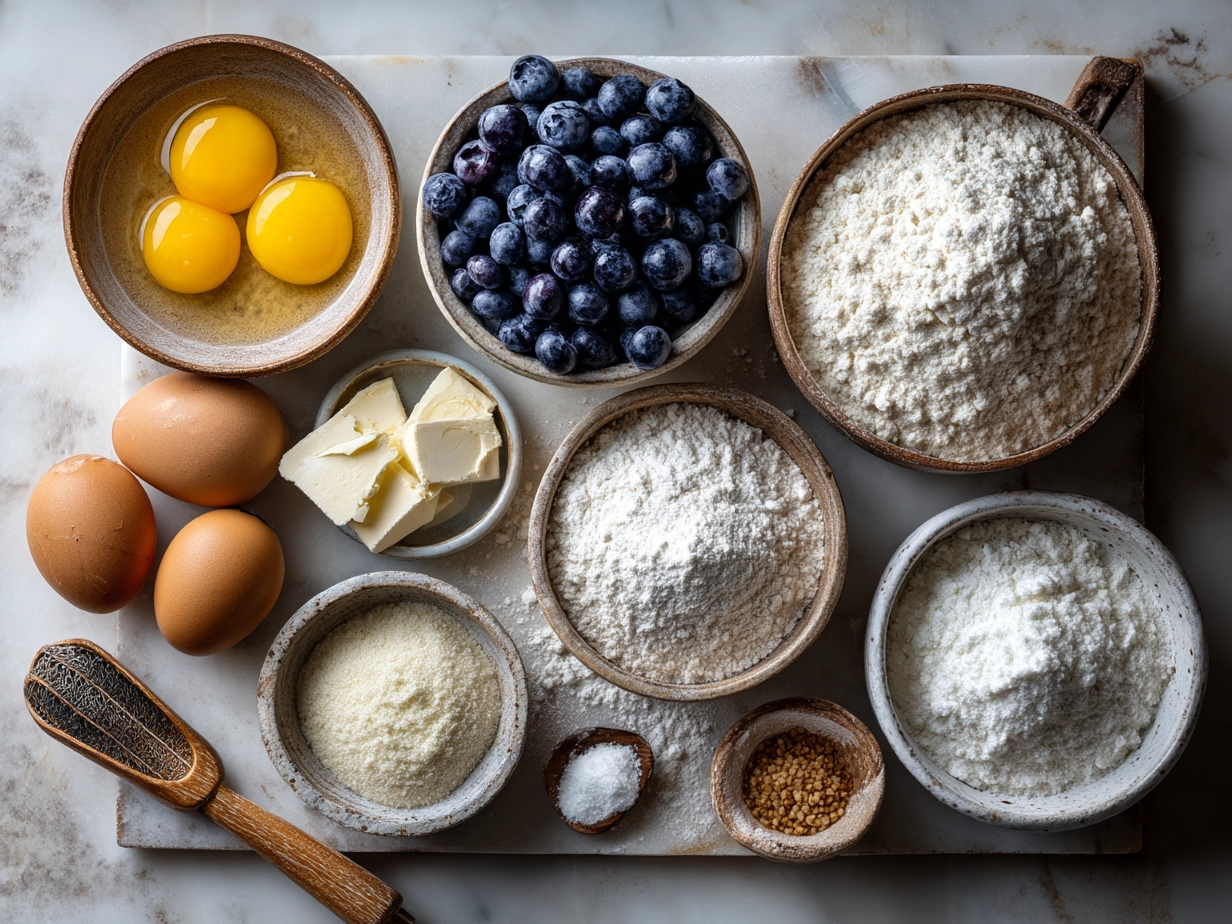
The beauty of this sourdough discard blueberry bread lies in ingredient quality, which transforms good baking into memorable food. For the best results, gather these key components:
- 1 cup sourdough starter discard (unfed, room temperature) — The heart of this no waste baking sourdough approach. Using discard respects the fermentation process and avoids unnecessary waste.
- 1 cup fresh blueberries — Choose ripe, firm berries in season for bursts of sweet-tart flavor. Farmers markets are a great source.
- 2 cups all-purpose flour — Look for unbleached flour to keep the bread’s crumb tender yet sturdy.
- 1/2 cup sugar — Granulated sugar balances sourdough’s tang without overpowering. Brown sugar works well for depth.
- 1 teaspoon baking soda — Helps with leavening in this blueberry quick bread style.
- 1/2 teaspoon salt — Enhances all flavors subtly.
- 1 teaspoon vanilla extract — Adds a warm note that complements blueberries.
- 1/4 cup vegetable or canola oil — Keeps the bread moist and tender.
- 1/2 cup buttermilk or yogurt — Tenderizes and enriches, adding gentle tang.
This blueberry bread with sourdough discard adapts well to what’s available. Frozen blueberries work if fresh aren’t in season. Yogurt can be replaced with buttermilk for a similar effect, and olive oil brings a different but pleasant note.
Before mixing, rinse blueberries gently and dry them carefully. This prevents excess moisture, which can weigh down the sourdough discard blueberry bread during baking.
Whenever I bake this sourdough discard blueberry bread, I prefer organic ingredients when possible. Each element contributes to the overall texture and flavor. The flour’s quality shapes the crumb, the balance of leavening agents influences rise, and the freshness of blueberries ensures that joyful pockets of sweetness appear throughout.
For those interested, this sourdough discard blueberry bread shares qualities with the easy sourdough blueberry bread found on Farmhouse on Boone, where ingredient sourcing and substitution tips are explored in detail.
The Process
1. Preheat and Prepare
Begin by preheating your oven to 350°F (175°C). Grease a 9×5 inch loaf pan or line it with parchment paper. Preparing your workspace keeps this sourdough discard blueberry bread process smooth and intentional.
2. Mix Dry Ingredients
In a large bowl, whisk together the flour, sugar, baking soda, and salt. This step ensures even distribution of leavening agents and sweetness, setting a solid foundation for the bread.
3. Combine Wet Ingredients
In a separate bowl, stir together the sourdough discard, oil, buttermilk, and vanilla extract until fluid and uniform. The sourdough discard carries that familiar tang and gentle activity from fermentation, which contributes to the bread’s characteristic crumb and flavor.
4. Incorporate Wet into Dry
Pour the wet mixture into the dry bowl. Using a spatula, fold gently until just combined. It’s essential not to overmix here; overworking activates gluten too much, making the bread tough rather than tender.
5. Add Blueberries
Carefully fold in the blueberries. Their color and juice should remain intact, promising those delightful bursts of flavor within every slice of your sourdough discard blueberry bread.
6. Transfer and Smooth
Pour batter into the prepared loaf pan. Smooth the top with a light touch, mindful of the blueberries settling.
7. Bake and Awake the Aroma
Bake for 50-60 minutes. As your kitchen fills with a mix of sweet blueberry notes and that unmistakable, tangy sourdough scent, watch for a toothpick inserted in the center to come out clean or with a few moist crumbs — signifying readiness.
8. Cool and Release
Allow the bread to cool in the pan for about 10 minutes, then transfer to a wire rack. Cooling is crucial; it lets the crumb set and prevents sogginess.
Each time I return to this sourdough discard blueberry bread, I notice subtle shifts depending on the starter’s vigor or blueberry ripeness. This encourages observing how slight changes influence texture or crust. For a detailed guide in the same spirit, “sourdough discard banana muffins” share similar techniques that you can check out here.
Bringing It to the Table
This sourdough discard blueberry bread carries a quiet charm suitable for many occasions, from a leisurely breakfast shared with friends to an afternoon tea moment. Its balance of tart and sweet pairs wonderfully with tangy cream cheese or a slather of butter warmed just enough to melt.
Imagine offering slices alongside sharp cheeses or the earthy bitterness of brewed coffee. The bread’s texture and flavor make it versatile, fitting into both modest family tables and thoughtful gatherings.
For a seasonal touch, sprinkle the batter with a little coarse sugar before baking to introduce a subtle crunch that echoes autumn’s crispness. In spring, consider adding fresh lemon zest for brightness, linking naturally to variations like the lemon blueberry sourdough bread.
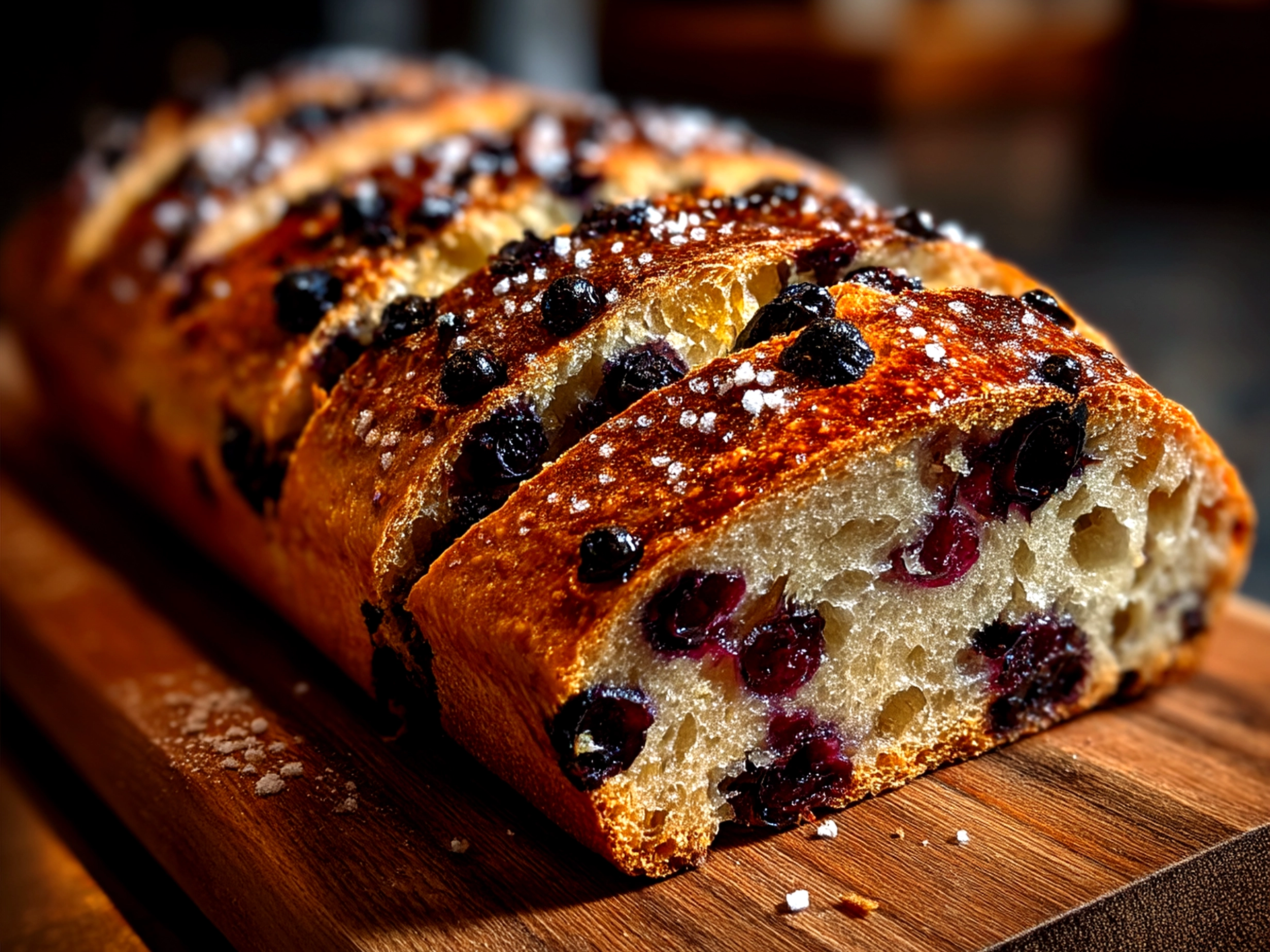
Presentation matters too. Thick slices on a wooden board, accompanied by wildflower honey or homemade preserves, create a rustic scene full of invitation.
Guests often ask if it’s a quick bread or true sourdough. This blueberry bread with sourdough discard makes subtle but genuine use of fermentation’s layers. It’s a delightful example of blueberry quick bread merging traditions, one conversation starter at a time.
Common Questions
What makes sourdough discard blueberry bread different from typical blueberry breads?
Primarily, its use of sourdough starter discard introduces an underlying tang and layered flavor absent in standard quick breads. This character results from natural fermentation, not just chemical leavening.
Can I prepare sourdough discard blueberry bread in advance?
Absolutely. You can bake it a day ahead and store it in an airtight container. It also freezes well, allowing convenient no waste baking sourdough use whenever discard accumulates.
How do I know when my sourdough discard blueberry bread is properly done?
Look for a firm but springy top crust and check with a toothpick inserted in the center. If it comes out clean or with moist crumbs, the bread is ready. The aroma shifts from raw dough to a mix of toasted flour and sweet blueberry notes.
Does the sourdough discard affect rise and crumb?
Yes. Since the starter discard lacks the fermentative vigor of active starter, baking soda helps with leavening, lending a tender crumb rather than a dense loaf. This combination defines many sourdough discard recipes.
Can I substitute blueberries with other fruits?
Definitely. Raspberries, blackberries, or chopped apples offer variations, although moisture content should be considered to maintain crumb integrity.
Is it necessary to use buttermilk or yogurt?
Not strictly, but these add tenderness and mild acidity that complement sourdough discard’s tang. Milk can be used alone, though texture may differ.
How do I prevent blueberries from sinking?
Toss them lightly in flour before folding into the batter. This coats berries and makes them less likely to sink during baking, keeping them distributed evenly.
Where can I find trustworthy sourdough discard blueberry bread recipes?
Alongside this narrative, communities like the sourdough discard blueberry bread recipe group on Facebook share experiences and tips, while Little Home in the Making offers detailed guidance.
Is crumb texture affected by resting the batter?
For this bread, baking immediately after mixing preserves the light crumb. Unlike longer fermentation needed for classic sourdough, discard recipes rely on quick chemical leavening.
This list arose from readers starting in sourdough discard baking, reflecting common concerns and helping build confidence in this unique blueberry bread with sourdough.
Closing Thoughts
What draws me back to sourdough discard blueberry bread is its blend of simplicity and intention. This bread respects the fermentation process and the ingredients, honors seasonal fruit, and transforms discard into celebration.
Key insights:
- Sourdough discard transforms from waste to flavorful core.
- Combining natural fermentation with baking soda allows quick, satisfying results.
- Ingredient quality—especially fresh blueberries—defines the experience.
Try these variations to shape your journey:
- Swap fruit for sliced strawberries or apples to suit the season.
- Add lemon zest for a bright, aromatic lift like in my lemon blueberry sourdough bread.
- Incorporate nuts for crunch, joining flavors and textures thoughtfully.
Different approaches change crumb, rise, and flavor balance. Whether you use all fresh ingredients or frozen berries, adapt dairy components or oils, each choice makes the sourdough discard blueberry bread speak in your unique kitchen voice.
I invite you to welcome this bread into your routine. It’s a small ritual of honoring food’s cycles, listening to starter whispers, and savoring blueberries at their peak.
If you want to expand further on sourdough discard baking, try sourdough discard pretzel bites and sourdough discard banana muffins. Their stories intertwine, showing how discard’s potential stretches far beyond expectations.
Sourdough discard blueberry bread is worth the effort—each slice a story, each crumb a connection. May your kitchen find joy in this food narrative as I have.
sourdough discard blueberry bread

This moist and flavorful sourdough discard blueberry bread combines tangy natural starter with juicy blueberries for a wholesome breakfast or snack option.
- Prep Time: 15 minutes
- Cook Time: 55 minutes
- Total Time: 70 minutes
- Yield: 8 servings
- Category: Breakfast
- Method: Baked
- Cuisine: American
Ingredients
- 1 cup sourdough discard
- 1 1/2 cups all-purpose flour
- 1/2 cup granulated sugar
- 1 teaspoon baking soda
- 1/2 teaspoon salt
- 1/2 cup buttermilk
- 1/3 cup vegetable oil
- 1 large egg
- 1 teaspoon vanilla extract
- 1 cup fresh or frozen blueberries
Instructions
- Preheat oven to 350°F (175°C). Grease a 9×5-inch loaf pan.
- In a large bowl, whisk together the flour, sugar, baking soda, and salt.
- In a separate bowl, combine sourdough discard, buttermilk, vegetable oil, egg, and vanilla extract.
- Pour the wet ingredients into the dry ingredients and stir until just combined. Do not overmix.
- Gently fold in the blueberries.
- Pour the batter into the prepared loaf pan and smooth the top.
- Bake for 50-60 minutes, or until a toothpick inserted in the center comes out clean.
- Allow the bread to cool in the pan for 10 minutes, then transfer to a wire rack to cool completely before slicing.
Notes
For extra flavor, sprinkle some coarse sugar on top before baking or serve with a smear of cream cheese.