
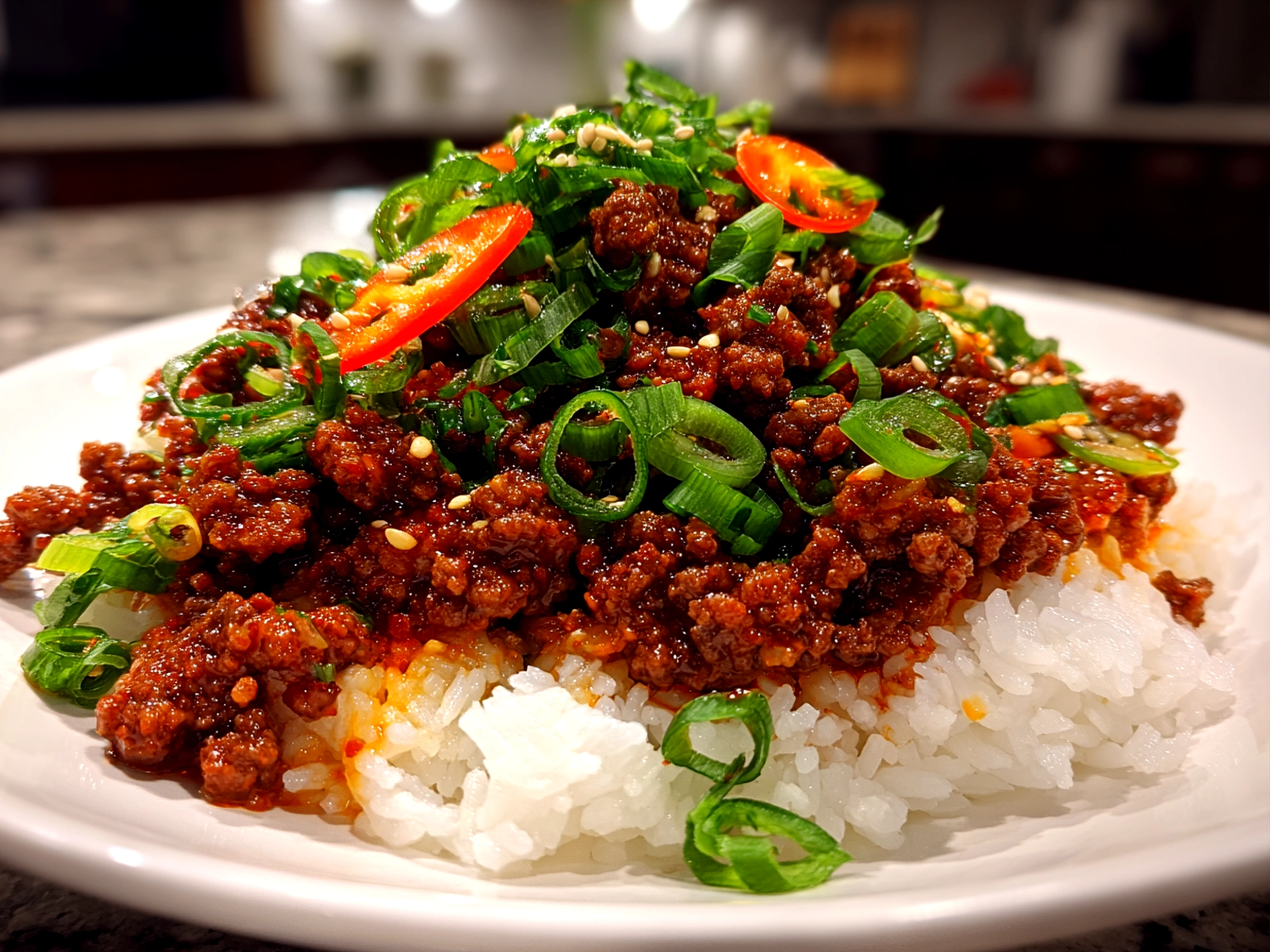
The first time I encountered Korean Ground Beef was during an unassuming weeknight dinner at a friend’s home. The kitchen smelled of garlic and ginger simmering, infused gently with a hint of sweetness and spice. Sunlight filtered softly through the window, casting a golden glow on the bubbling skillet. My friend, herself raised with a love for Korean cooking techniques, had just whipped up this simple yet captivating dish using Korean Ground Beef.
The story behind this humble bowl traces back to a blend of traditions, with Korean beef recipes reinterpreted for busy lives. What struck me was how such a straightforward mixture could bring so much warmth and depth—flavors honed by a ground beef marinade that balanced salty, sweet, and spicy notes seamlessly. It was a window into a culinary approach that treasures balance, patience, and a connection to everyday ingredients.
Korean Ground Beef reminded me there’s more to food than just sustenance. It revealed a practice where food crafts community, conversation, and comfort in equal measure. I learned that beneath its simplicity lies a technique passed through generations, where touches like beef bulgogi style seasoning make the familiar feel unexpected.
Today, I’m inviting you to sit with this Korean Ground Beef alongside me. We’ll trace the story behind it, meet the components that bring it to life, and follow the steps that transform raw ingredients into something memorable. Whether you’re drawn to spicy Korean beef preparations or curious about ground beef marinade secrets, you’ll find a story worth savoring here. This is more than a dish—it’s a kitchen moment rich with tradition and flavor waiting for your own narrative.
The beauty of Korean Ground Beef melds nicely with the rhythms of everyday cooking, offering a way to connect through food that is approachable yet full of character. Let’s begin there, with the ingredients that tell this story best.
The Components
The success of any Korean Ground Beef begins with selecting ingredients that give depth and balance to the dish. Here’s the list that I favor to keep this Korean Ground Beef grounded in tradition and taste:
- 1 pound (450g) lean ground beef: Seek out grass-fed or responsibly sourced beef where possible. This ensures the flavors of the marinade shine through, not overshadowed by added fat. Farmers markets or butchers who prioritize quality are good sources.
- 3 tablespoons soy sauce: Go for naturally brewed soy sauce, which carries a richer umami profile essential for Korean beef recipes.
- 2 tablespoons brown sugar: I prefer dark brown sugar for its molasses notes—they deepen the flavor wonderfully in this Korean Ground Beef.
- 1 tablespoon toasted sesame oil: This is a hallmark of Korean cooking techniques, bringing a nutty aroma that elevates the beef.
- 2 teaspoons minced garlic: Fresh garlic is irreplaceable in the ground beef marinade; its sharpness balances sweetness.
- 1 teaspoon grated ginger: Ginger adds brightness and a little warmth, rounding out the marinade perfectly.
- 1/2 teaspoon crushed red pepper flakes: This introduces that classic spicy Korean beef kick without overwhelming the dish.
- Optional garnish: thinly sliced green onions and toasted sesame seeds. Adding these fresh finishing touches brings contrast in texture and a pop of brightness.

This Korean Ground Beef adapts well to what you have on hand. If ginger is sparse, a pinch of ground ginger works in a pinch. You might replace brown sugar with honey for a different take on sweetness. The balance lies in the marinade—sweet, salty, and spicy harmonizing to bring out the best in the beef.
Use fresh garlic and ginger whenever possible. Their pungency fades quickly but contributes layers of flavor that store-bought pastes can’t match. I prefer using lean ground beef because the marinade and cooking method ensure enough juiciness and tenderness without excess fat.
This ingredient list respects the spirit of Korean beef recipes while offering flexibility. The beauty of this Korean Ground Beef lies not just in flavor but in its capacity to honor traditional elements while fitting seamlessly into modern kitchens.
The Process
Making Korean Ground Beef calls for a mindful approach at every stage. Each step builds layers of flavor and texture that ensure the dish transcends the sum of its parts. This procedure highlights why Korean cooking techniques often focus on balance and timing.
- Prepare the marinade: In a bowl, combine soy sauce, brown sugar, toasted sesame oil, minced garlic, grated ginger, and red pepper flakes. Stir until the sugar dissolves, creating a glossy, aromatic base for the beef.
- Mix the beef: Add the ground beef to the marinade. Using your hands or a spoon, combine everything gently but thoroughly. This Korean Ground Beef needs to rest for at least 20 minutes, allowing the meat to absorb those savory-sweet notes deeply. I’ve found a longer rest intensifies flavor, so up to an hour in the fridge works well.
- Heat the pan: Use a skillet over medium-high heat. No oil is necessary since the ground beef releases its fat. As the pan warms, you’ll smell the beginnings of those spicy Korean beef aromas—garlic, soy, and toasted sesame blending in the air.
- Cook the beef: Add the marinated Korean Ground Beef to the skillet in a single layer. Avoid overcrowding the pan to ensure even browning and caramelization reminiscent of beef bulgogi style. Let it sit without stirring for the first couple of minutes to develop color.
- Break it up and stir: Once the beef starts to brown, begin breaking it apart with a spatula. Continue cooking until fully browned and no pink remains. This usually takes about 7 to 10 minutes. The beef should be juicy but cooked through, each bite packed with those balanced flavors from your ground beef marinade.
- Taste and adjust: This is where experience counts. The Korean Ground Beef should feel spicy yet sweet, savory but not salty. Add a pinch more red pepper flakes or a drizzle of soy sauce if needed.
- Finish with garnishes: Sprinkle sliced green onions and toasted sesame seeds over the beef just before serving. These fresh pops lift the dish visually and texturally.
This step in making Korean Ground Beef requires attention to detail, especially the resting period for the marinade. While your beef cooks, notice how the aroma shifts from raw garlic to a roasted, almost caramel-like scent. Understanding why your Korean Ground Beef behaves this way helps you appreciate the transformation—the marinade caramelizes with the meat, creating complex layers of flavor.
The cooking technique here echoes that of beef bulgogi style, though the ground form offers easier and quicker preparation yet with that same satisfying depth. Repeatedly making this Korean Ground Beef taught me patience pays off, especially in allowing time for the marinade and letting the beef brown properly without rushing.
Bringing It to the Table
Korean Ground Beef fits beautifully into many dining moments, from casual weeknights to lively family gatherings. Its approachable balance between sweet and spicy gives it a wide embrace on the flavor spectrum, making it adaptable to various accompaniments.
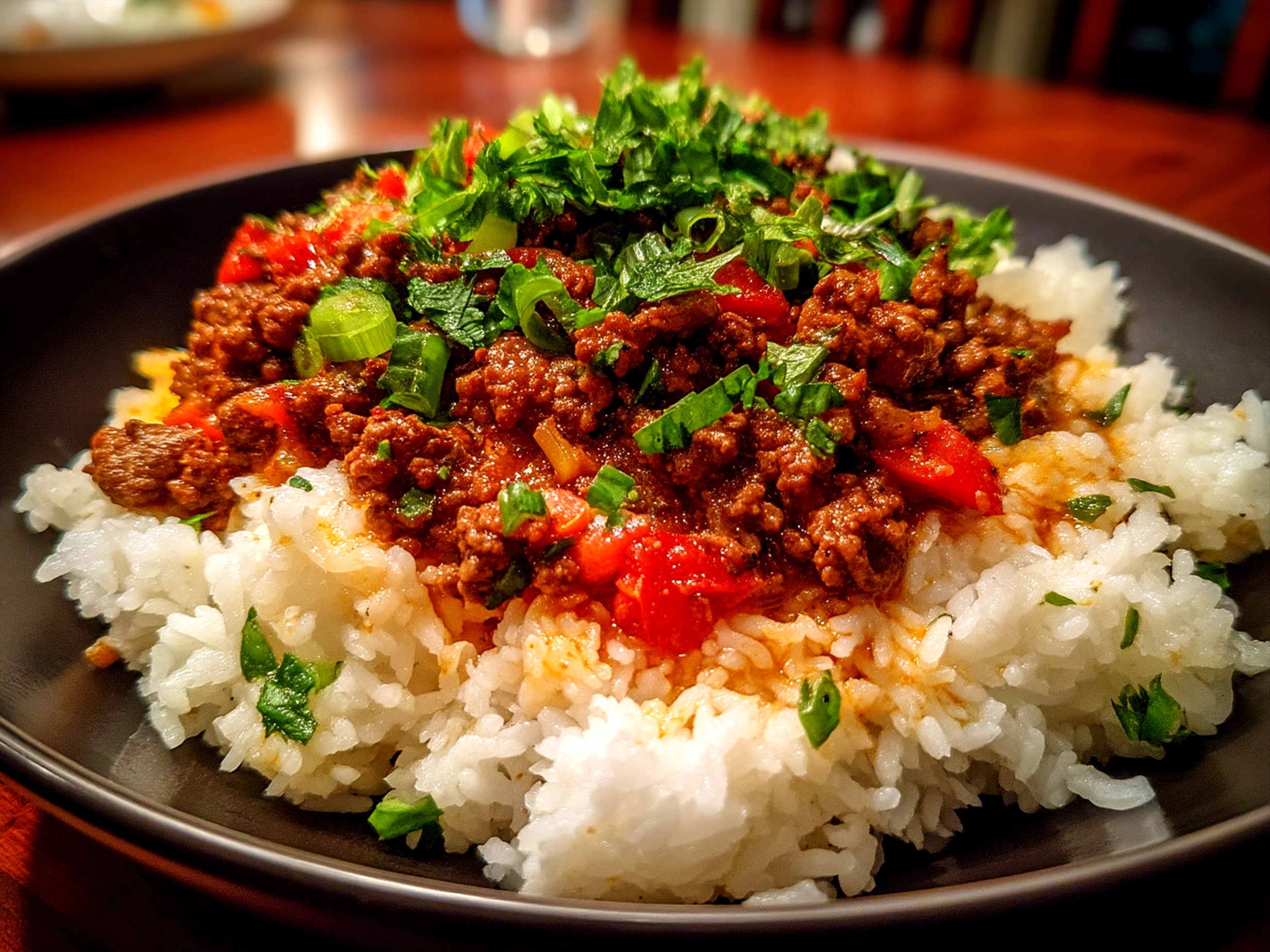
Consider serving this Korean Ground Beef with steamed white rice or sticky jasmine rice for a classic combination. The rice acts as a soft, neutral partner to the bold meat, letting each component shine. Pairing it with pickled vegetables or kimchi adds bright acidity and crunch, a perfect contrast to the spicy Korean beef.
For a fresh twist, wrap spoonfuls of the Korean Ground Beef in lettuce leaves, turning it into a handheld delight that invites interaction at the table. This method honors traditional Korean serving styles and creates a lively rhythm to the meal.
This Korean Ground Beef also pairs well with quick stir-fried vegetables like zucchini or bell peppers, which add color and lightness, balancing the dish’s richness. I’ve seen it work wonders as a filling in bibimbap bowls or alongside simple noodle dishes—both offering different textures and experiences.
Seasonally, the dish invites adaptations. In summer, fresh cucumbers and herbs brighten the plate. During cooler months, I lean towards earthy mushrooms and roasted root vegetables alongside the beef.
Sharing this dish often sparks conversation. Friends comment on the harmony of flavors and the easy yet satisfying nature of Korean Ground Beef. It connects to broader themes in Korean beef recipes and reminds me of how food traditions evolve while staying rooted in familiar comforts.
For those intrigued by these flavors, other variations like Korean Ground Beef and Rice Bowls | The Recipe Critic or the quick Korean Beef Bowl. Takes all of 15 minutes (not including the rice …) offer great inspiration.
Common Questions
Many who try Korean Ground Beef have shared questions over the years, reflecting common concerns and curiosities. Here are some responses that might guide your own food narrative:
What makes this Korean Ground Beef different from similar dishes?
This version focuses on a balanced marinade that combines sweet, savory, and mildly spicy elements, reflective of traditional Korean beef recipes but adapted for ground beef. The ground form offers quick cooking times while allowing the marinade’s flavor to penetrate more evenly than larger cuts.
Can I prepare this Korean Ground Beef in advance?
Yes. Marinate the beef in the refrigerator for up to 24 hours for more intense flavor. Cooked Korean Ground Beef keeps well for 3 to 4 days refrigerated and also freezes effectively. Reheat gently to preserve texture and moisture.
How do I know when my Korean Ground Beef is properly done?
The beef should be fully browned with no pink remaining. Give it a taste; the flavors should be balanced and the texture tender. Avoid overcooking, as it can dry out. The caramelization that develops signals taste readiness.
Is spicy Korean beef adjustable in heat?
Absolutely. Adjust crushed red pepper flakes to suit your palate or introduce a chili paste like gochujang for more complexity. This flexibility is part of the dish’s approachable charm.
What cuts of beef work best for Korean Ground Beef?
Ground chuck or a mix of sirloin and chuck is ideal, offering good flavor without excess fat. Lean beef provides a cleaner taste, letting the marinade shine.
Does this ground beef marinade lend itself to other proteins?
Certainly. This marinade works well with ground turkey or chicken—though flavor intensity may vary. Similar principles apply in those variations, as you can see in this honey garlic ground turkey example.
Can Korean Ground Beef be part of a low-carb meal?
Yes. Wrap it in lettuce leaves or serve over cauliflower rice for a satisfying low-carb option. This approach keeps the spirit of Korean beef bowls while adjusting to dietary needs.
What sides pair best with Korean Ground Beef?
Traditional Korean sides like kimchi pair beautifully. For Western-style meals, mashed potatoes work surprisingly well. Try a creamy potato dish like garlic butter beef bites with creamy mashed potatoes for a comforting change.
How does Korean Ground Beef compare to beef bulgogi style dishes?
Both share seasoning profiles and the balance of sweet, savory, and spicy. Ground beef adapts the bulgogi style’s marinade to a quicker, simpler form. For a crisp take on beef, consider crispy Peking beef bowl adaptations that contrast texture.
Closing Thoughts
Korean Ground Beef stands as a testament to how humble ingredients and thoughtful seasoning create memorable food narratives. Its worth lies in simplicity balanced by layered flavor and cultural resonance.
- Balanced flavor profiles make Korean Ground Beef approachable for all palates.
- The ground beef marinade transforms basic meat into a dish that speaks to tradition and modern kitchen life.
- Adaptability in serving and seasoning allows this dish to suit various occasions and preferences.
Tested variations like adding gochujang for more spice, incorporating mushrooms for texture, or substituting ground turkey invite personalization while preserving the dish’s core character. Each change influences the final outcome—more heat, depth, or lighter profiles—but the heart remains the same.
For those curious about making Korean Ground Beef their own, remember this: it’s not merely a dish; it’s a connection to practices and flavors that span generations. Taking time with the marinade, practicing cooking patience, and embracing small details deepen your relationship with food and the stories it tells.
This Korean Ground Beef remains a favorite in my kitchen, a reliable anchor in weeknight meals and a warm invite to gather around a shared table. Its story expands with each kitchen moment, waiting for your own memories to become part of the narrative.
If you’re tempted by similar flavor profiles, consider these recipes as companions to your food journey: the honey garlic ground turkey, the comforting garlic butter beef bites with creamy mashed potatoes, or the textured crunch found in crispy Peking beef bowl.
Let this Korean Ground Beef be a welcome presence on your table, inviting you to savor more than just a meal but a thoughtful tradition worth returning to.
Korean Ground Beef
A quick and flavorful Korean ground beef recipe perfect for weeknight dinners, featuring savory, sweet, and spicy notes that pair well with rice or noodles.
- Prep Time: 10 minutes
- Cook Time: 10 minutes
- Total Time: 20 minutes
- Yield: 4 servings
- Category: Dinner
- Method: Skillet
- Cuisine: Korean
Ingredients
- 1 lb ground beef
- 2 cloves garlic, minced
- 1/4 cup brown sugar
- 1/4 cup soy sauce
- 1 tablespoon sesame oil
- 1/2 teaspoon red pepper flakes
- 2 green onions, thinly sliced
- Cooked rice, for serving
- Sesame seeds, for garnish
Instructions
- Heat a large skillet over medium-high heat and add the ground beef. Cook until browned, breaking it apart with a spatula, about 5 minutes.
- Add the minced garlic and cook for another minute until fragrant.
- In a small bowl, whisk together brown sugar, soy sauce, sesame oil, and red pepper flakes.
- Pour the sauce mixture over the cooked beef and stir to combine. Let it simmer for 2-3 minutes until the sauce thickens slightly.
- Remove from heat and stir in sliced green onions.
- Serve the Korean ground beef over cooked rice and sprinkle with sesame seeds.
Notes
For extra depth, add a teaspoon of grated ginger with the garlic or serve topped with a fried egg for a complete meal.