
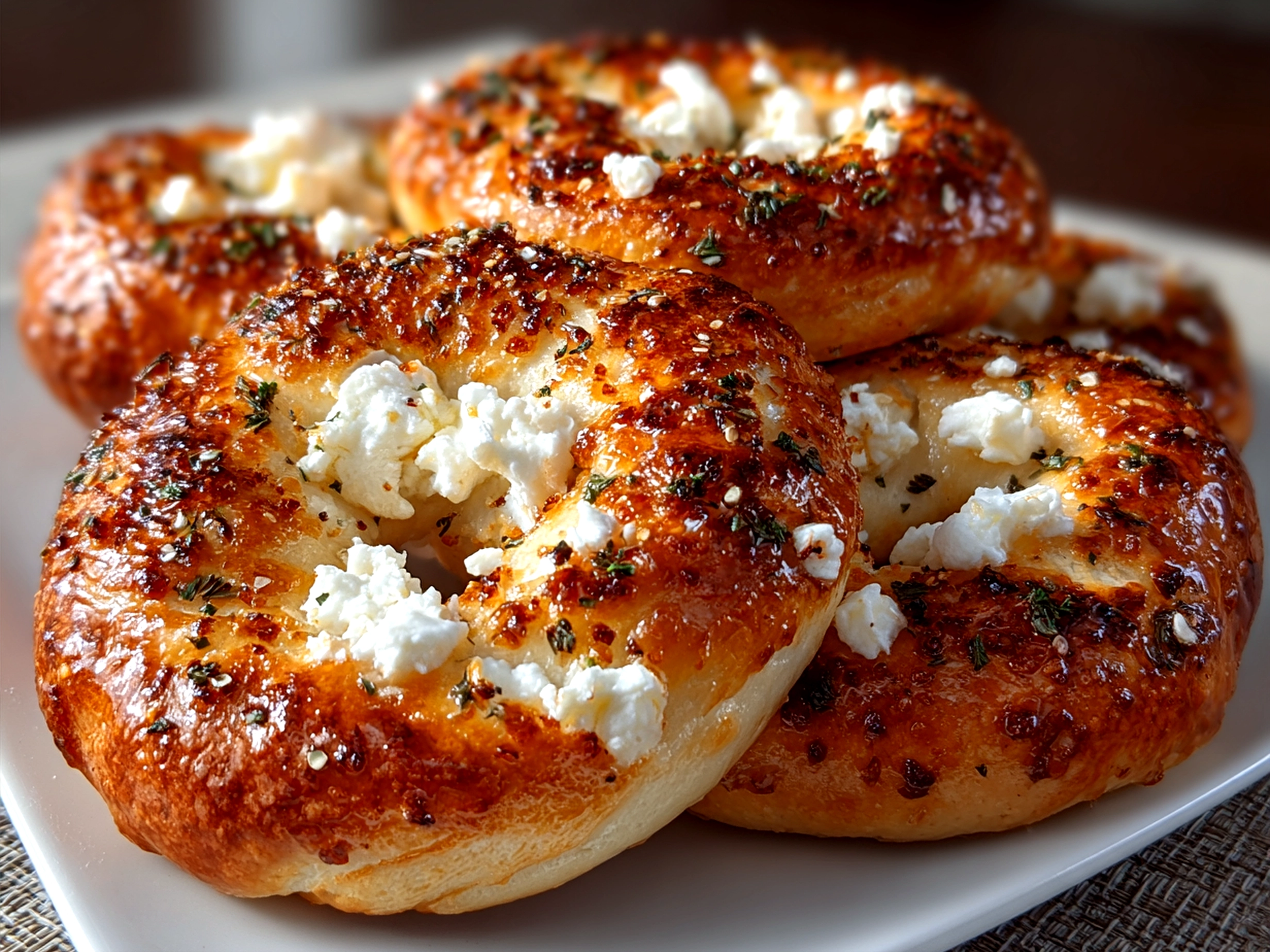
There’s a quiet moment I cherish—a Saturday morning wrapped in soft, golden light folding through the kitchen window. The air hums with anticipation as I prepare Greek yogurt bagels. This isn’t just a recipe; it’s a ritual woven from simple ingredients transformed by time and touch. Early attempts at making homemade Greek yogurt bagels taught me that patience and presence matter as much as flour or yogurt.
The smell wafts in gentle waves, tangy and yeasty, mingling with the faint creaminess of Greek yogurt. I remember the first time these bagels found their way to our table, shared with a close friend who’d brought their own version from another city. That moment held discovery—the contrast between chewy, wholesome dough and bright, fresh toppings unfolding in every bite. It was a lesson in how Greek yogurt bagels can carry stories through flavor and texture, filled with the warmth of making and sharing.
Making Greek yogurt bagels felt like clearing a path to new kitchen habits—healthy bagels with yogurt introducing a nutritious twist to a beloved classic. Each stage of Greek yogurt bagels baking revealed layers of complexity beneath the straightforward process. The dough’s elasticity, the subtle browning, the satisfying “thump” when tapping the finished bagels—these sensory details drew me deeper into understanding this food narrative.
I invite you to journey with me through this simple, nourishing delight. Together, we’ll uncover the art behind easy Greek yogurt bagels and discover how homemade Greek yogurt bagels can enrich your kitchen moments. Here’s to infusing everyday baking with intentional care and the stories that come alive in each fresh batch of Greek yogurt bagels.
The Components
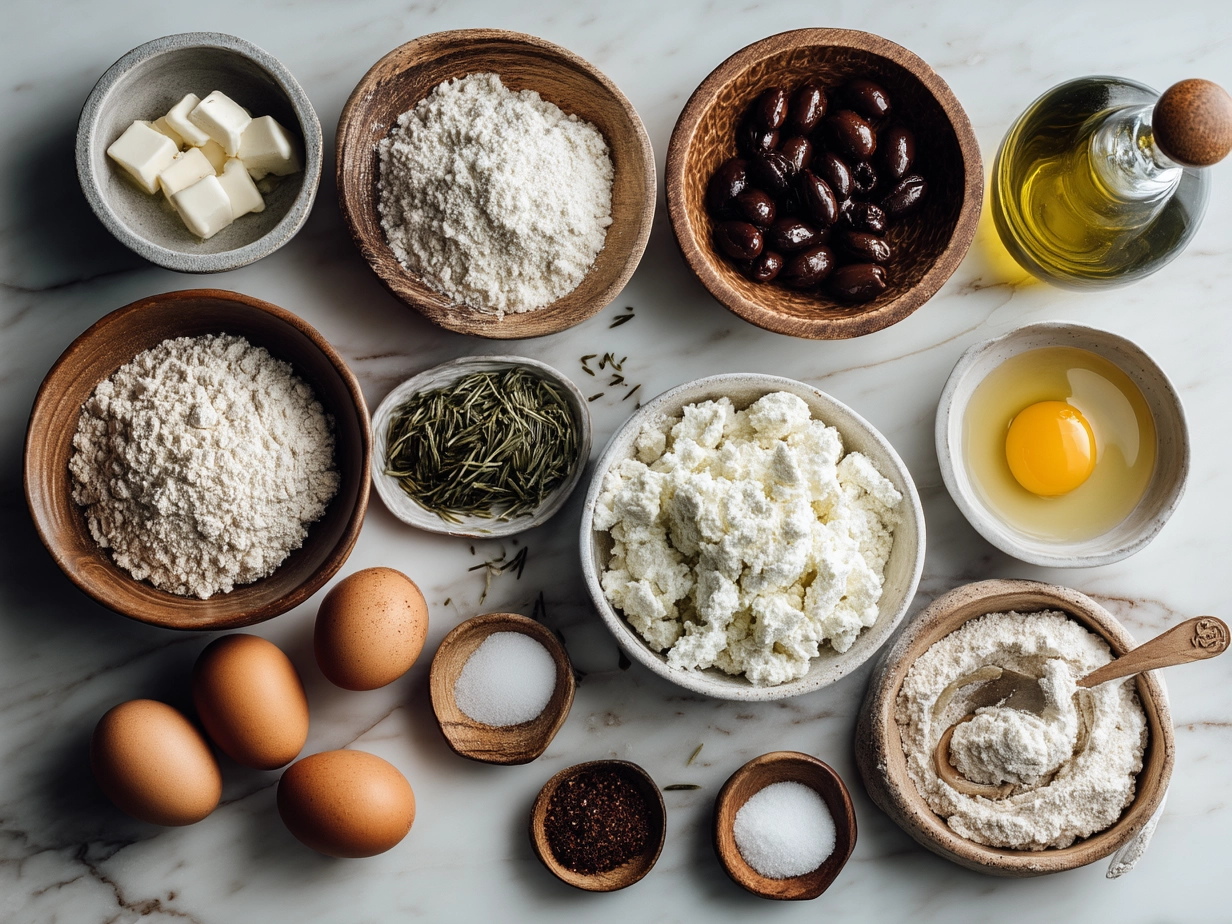
The beauty of this Greek yogurt bagels lies in ingredient quality as much as technique. To create authentic, tender homemade Greek yogurt bagels, start with these essentials:
- 1 ½ cups plain Greek yogurt (full-fat preferred for creaminess)
Look for a thick, tangy variety—you’ll find this richness at farmers markets or well-stocked grocery stores, sometimes in specialty cheese shops. Greek yogurt with live cultures gives your bagels that signature tang and structure. - 1 ½ cups self-rising flour
This is key to the light rise without yeast. If you can’t find self-rising flour, you can easily mix all-purpose flour with baking powder and salt, but using quality self-rising flour simplifies the process. I prefer freshly milled or organic options when available. - Optional toppings: sesame seeds, poppy seeds, everything seasoning
These add crunch and flavor, and you can source them from bulk bins or health food stores. Freshness matters here; stale seeds can dull the impact.
If you want to try a variation, swap part of the flour with whole wheat to bring in a nutty, wholesome character. This Greek yogurt bagels adapts well to what’s in season or your pantry, making it approachable for any food storyteller’s kitchen.
Before mixing, make sure your Greek yogurt is thick — drain it briefly if watery. The dough benefits from this moisture balance. Familiarity with ingredients will guide you to subtle adjustments that bring your Greek yogurt bagels to life in your own kitchen.
The Process
Making Greek yogurt bagels requires attention to timing and texture, but it’s a satisfying kitchen moment worth savoring.
1. Combine the Ingredients
In a large bowl, mix 1 ½ cups plain Greek yogurt with 1 ½ cups self-rising flour. Initially, your Greek yogurt bagels dough will look sticky and shaggy. Resist adding more flour at once; wait to observe how it comes together.
2. Bring the Dough Together
Turn the dough onto a floured surface and knead gently about 5-7 minutes. Watch as the dough transitions from sticky to smooth and pliable. This change indicates the gluten’s developing strength, essential for the chewiness of your Greek yogurt bagels.
3. Form the Bagels
Divide dough into 6 equal pieces. Roll each into a ball, then poke a hole in the center using your thumb, stretching it carefully—this keeps the classic bagel shape. Working with the dough feel connects you to the final texture of your Greek yogurt bagels baking.
4. Bake or Boil?
Unlike traditional yeast bagels, these Greek yogurt bagels bypass boiling and go straight to baking on parchment-lined trays. This simplified method means your bagels will have a slightly different crust—less dense but tender, perfect for those who prefer easy Greek yogurt bagels.
5. Bake at 375°F (190°C) for 25-30 Minutes
Your kitchen will fill with the warm aroma of baked dough, tangy and comforting in equal measure. Watch as the tops turn golden and firm to touch. When you gently tap the bagels, they’ll sound hollow—a sign they’ve cooked through.
6. Cooling and Resting
Let the homemade Greek yogurt bagels cool completely before slicing to maintain structure. This pause allows the bagels to finish setting and deepen their flavor—a vital stage often overlooked.
Repeated attempts taught me how shifts in oven temperature or dough hydration adjust outcomes. This patience rewarded with soft yet substantial Greek yogurt bagels that kindly nourish.
For another take on baking without yeast, consider the techniques in this easy bagel recipe from Skinnytaste. It shares the straightforward nature of Greek yogurt bagels baking, revealing how versatile dough can be.
Bringing It to the Table
Greek yogurt bagels find their place in a range of meal moments—from a simple breakfast to a light dinner centerpiece. They pair beautifully with savory toppings like smoked salmon, cream cheese, or sliced cucumbers. The tang of the bagels harmonizes with these accompaniments, creating a balanced bite.
In spring or summer, serving your Greek yogurt bagels with fresh cucumber slices and herbs from the garden feels especially grounded. This light pairing mirrors themes in my Greek yogurt potato salad with cucumbers, which shares fresh, cooling flavors that complement the bagels.
For a cozy brunch, consider a spread of seasonal jams and honey alongside your Greek yogurt bagels. Their subtle tang acts as a foil for sweeter notes—an interplay of flavors that speaks to communal dining traditions. A recent gathering saw my friends marvel at how these healthy bagels with yogurt could hold up to hearty toppings without sacrifice.
Presentation matters, too. Stacking your Greek yogurt bagels on a rustic wooden board with small bowls of spreads invites conversation and sharing. For those who appreciate minimalist treats, dipping halves in a warm Greek yogurt bowl like the one described in Valentine treats Greek yogurt bowl makes for a comforting, nourishing bite.
For a twist, try spreading avocado mashed with lemon and chili flakes on your homemade Greek yogurt bagels. It’s a vibrant combination that stays true to the wholesome spirit of Greek yogurt bagels.
Common Questions
What makes Greek yogurt bagels different from traditional bagels?
Greek yogurt bagels skip yeast and boiling, relying on self-rising flour and Greek yogurt’s acidity to create structure. This results in a softer texture, less dense crust, and tangier flavor. They’re an accessible option for anyone looking to enjoy bagels with less fuss but plenty of personality.
Can I prepare Greek yogurt bagels in advance?
Yes, these bagels are wonderful made ahead and store well. After cooling, keep them in an airtight container for 2-3 days or freeze for longer storage. When reheating, use a toaster or oven to refresh the crust’s texture. Many readers have found the dough can be shaped and refrigerated briefly before baking if planning a later kitchen moment.
How do I know when my Greek yogurt bagels are properly done?
Look for a golden-brown surface that feels firm but slightly springy. When tapped, the bagel should sound hollow. Underbaking can leave raw doughy centers, while overbaking dries them out. Watching the oven closely during Greek yogurt bagels baking is key.
Is it possible to add flavors to the dough?
Absolutely. Incorporating herbs, garlic powder, or even spices can personalize your Greek yogurt bagels. These additions need moderation to avoid altering dough hydration. I often mix in fresh rosemary or dill, especially when serving alongside Greek or Mediterranean dishes.
How does using different types of Greek yogurt affect the bagels?
Full-fat Greek yogurt provides richness and moist crumb. Low-fat or non-fat versions may result in dryer bagels but still hold together. The key is consistent thickness; watery yogurt may require compensation with flour adjustments.
Can I make these gluten-free?
This version depends on self-rising flour, which contains gluten. However, inspired cooks use gluten-free all-purpose blends with baking powder, but texture and rise differ. You might want to check out the gluten-free variation that Dished by Kate shares for a no-yeast alternative aligned with Greek yogurt bagels baking.
Do I need special equipment to prepare Greek yogurt bagels?
No specialized tools are required. Basic mixing bowls, a baking sheet, parchment paper, and an oven suffice. Kneading can be done by hand or with a stand mixer fitted with a dough hook.
Closing Thoughts
Greek yogurt bagels are worth your effort because they offer a blend of approachability, nourishing ingredients, and a fresh spin on a classic favorite.
Their ease stems from omitting yeast and boiling, making the kitchen moments less daunting for food storytellers seeking approachable baking.
The tang and texture brought by Greek yogurt give these bagels a signature flavor, fresh and fulfilling in every bite, unlike traditional bagels.
Lastly, homemade Greek yogurt bagels adapt easily to variations—swap flours, add herbs or seeds, and modify toppings to suit your mood and pantry.
In my experience, three variations stand out: incorporating whole wheat flour for earthy depth, adding za’atar for a Middle Eastern flair, and mixing herbs like dill and chives for garden freshness. Each takes the foundation of Greek yogurt bagels into a distinct direction shaped by cultural and personal taste.
Making Greek yogurt bagels brings me back to those quiet mornings, reminding me that food is both history and daily ritual. These bagels have found a home in my kitchen and heart—simple, honest, and full of stories waiting to be shared.
If you want to dive deeper into similar nourishing recipes, take a look at Healthy Greek Yogurt Bagels – Skinny Fitalicious®, a resource that aligns well with this approach. For those curious about no-yeast dough techniques, the Bagel Recipe (Easy No-Yeast Yogurt Dough) – Skinnytaste shines with simplicity. And to see creative ingredient pairings, 2 Ingredient Greek Yogurt Bagels (No Yeast) – Dished by Kate offers fresh inspiration that pairs beautifully with the themes woven here.
Your turn: make these Greek yogurt bagels your own—there’s joy in experiencing how a humble mix of flour and yogurt can become much more.
Greek Yogurt Bagels

Greek Yogurt Bagels offer a healthy, protein-packed twist on traditional bagels, delivering a soft and chewy texture that is perfect for breakfast or snacks.
- Prep Time: 10 minutes
- Cook Time: 25 minutes
- Total Time: 35 minutes
- Yield: 4-5 bagels
- Category: Snack
- Method: Baked
- Cuisine: American
Ingredients
- 1 1/2 cups self-rising flour
- 1 cup Greek yogurt (full-fat or 2%)
- 1 tablespoon honey (optional)
- 1 egg white (for egg wash)
- Sesame seeds or everything bagel seasoning (optional)
Instructions
- Preheat your oven to 375°F (190°C) and line a baking sheet with parchment paper.
- In a large bowl, combine the self-rising flour and Greek yogurt; mix until a dough forms.
- Knead the dough lightly on a floured surface for about 2-3 minutes until smooth and elastic.
- Divide the dough into 4-5 equal portions and roll each into a ball.
- Poke a hole through the center of each ball with your finger and gently stretch to form a bagel shape.
- Place the shaped bagels onto the prepared baking sheet.
- Brush each bagel lightly with egg white and sprinkle with sesame seeds or everything bagel seasoning if desired.
- Bake for 20-25 minutes until golden brown and cooked through.
- Allow to cool slightly before serving. Enjoy warm or at room temperature.
Notes
For an extra touch of flavor, try adding dried herbs or garlic powder to the dough. Serve with cream cheese or your favorite spread.