
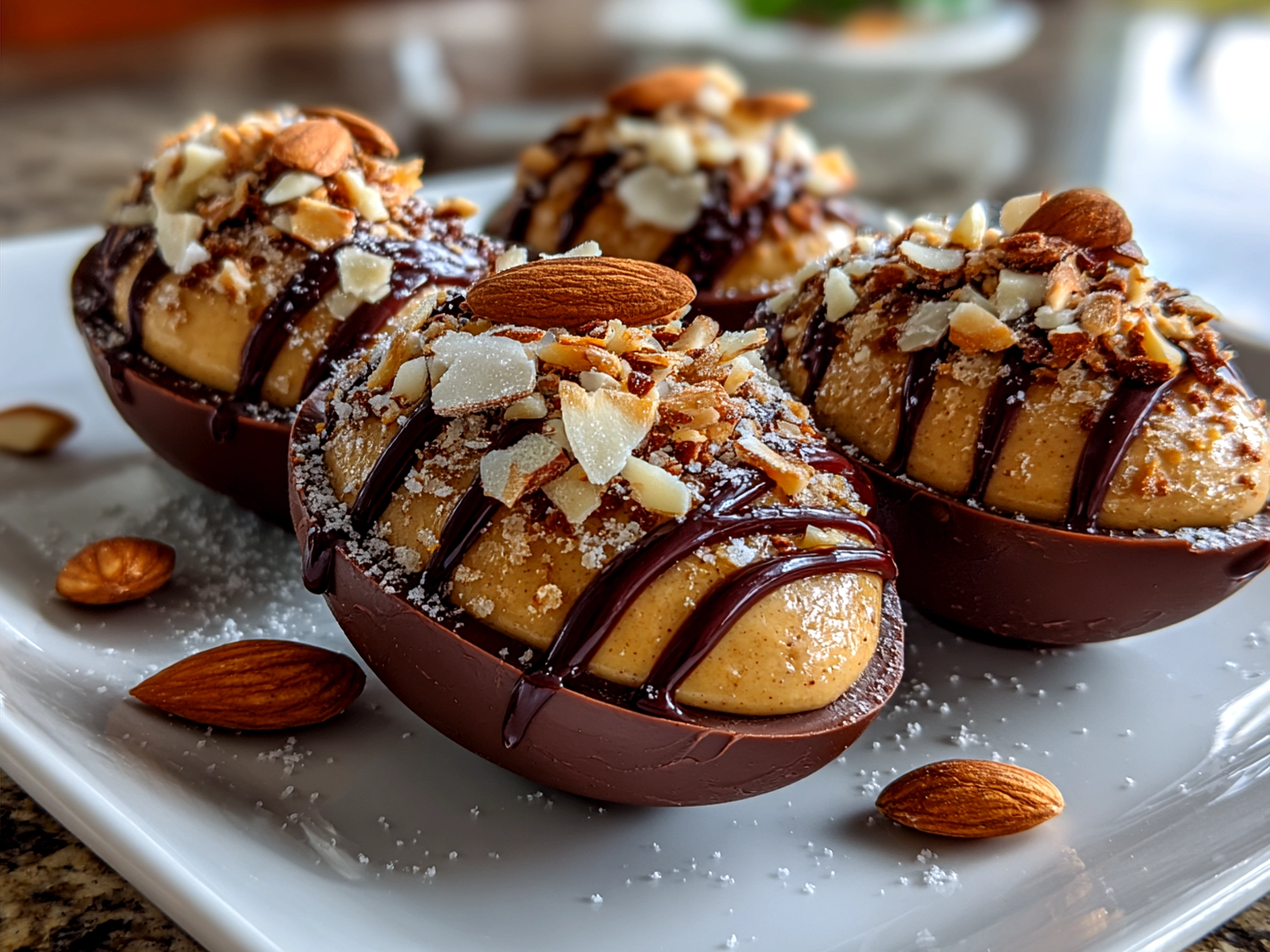
I remember the first time I encountered Easter Peanut Butter Eggs—that moment is lodged in my mind like the lingering scent of chocolate and peanut butter wafting through a spring kitchen. It was an afternoon bathed in golden light, the kind of warm glow that filters through old lace curtains and invites quiet reflection. My aunt, who had a knack for turning simple treats into celebrations, handed me a perfectly shaped peanut butter egg. At first bite, the creamy peanut butter filling melted smoothly against the robust chocolate shell—an unexpected harmony of flavor and texture. The afternoon air was filled with the faint buzz of bees outside and the gentle rustle of budding trees. In that moment, Easter Peanut Butter Eggs became more than candy; they turned into a shared memory, a symbol of gathering and joy.
This confection’s story stretches beyond that afternoon. Easter Peanut Butter Eggs have roots tangled deeply in traditions of simplicity and comfort, yet they hold a unique place among Easter candy recipes. They feel like a nod to homemade care and no-bake peanut butter treats that families have passed down across decades. Their presence on the Easter table carries the weight of nostalgia and the thrill of a small indulgence that’s often saved for special moments. It’s rare for something so approachable in ingredient and preparation to deliver such a powerful emotional connection.
Making Easter Peanut Butter Eggs yourself reveals layers of that magic. The process invites patience and attention, and the creamy peanut butter filling demands respect—it needs to be balanced just right for the chocolate peanut butter eggs to set perfectly. It’s fascinating how simple ingredients like peanut butter, powdered sugar, and chocolate come together to tell a story of seasonal celebration. This Easter Peanut Butter Eggs version feels connected deeply to spring’s rhythm: it’s about renewal, sweetness, and the tactile pleasure of hand-formed treats.
I’m eager to share this kitchen journey with you, inviting you to explore the nuances of Easter Peanut Butter Eggs. Together, we can uncover what makes these homemade peanut butter eggs so memorable and how they earn their place among other Easter candy recipes in home traditions. Let’s get started by understanding the components, because every great story requires a solid foundation.
The Components
The beauty of Easter Peanut Butter Eggs lies in ingredient quality and thoughtful selection. Here’s what transforms good Easter Peanut Butter Eggs into memorable food:
- 1 cup creamy peanut butter
Choose natural peanut butter with a smooth consistency. Authentic homemade peanut butter eggs rely on a filling that’s both creamy and just a touch pliable. Avoid brands heavy in stabilizers or excess oil, which can make the filling too loose. - 3 cups powdered sugar (confectioners’ sugar)
This is the sweet backbone of your creamy peanut butter filling. Use fresh, good quality powdered sugar for smooth blending. It helps create the right texture for no-bake peanut butter treats. - 1 teaspoon vanilla extract
Vanilla is subtle but important. It deepens flavor and rounds out the sweetness in homemade peanut butter eggs, lending a warm note that complements peanut butter’s natural richness. - 2 ½ cups semi-sweet chocolate chips or chopped chocolate
The chocolate coating is critical for chocolate peanut butter eggs. Look for chocolate with around 60% cocoa—it’s not too bitter, not too sweet. This kind of chocolate melts evenly and hardens with a pleasing snap. You can source high-quality chocolate at specialty stores or farmers markets focused on artisanal goods. - 1 tablespoon shortening or coconut oil (optional)
Adding a bit of shortening or coconut oil smooths melting and gives the chocolate shell a fine gloss. This step is optional but worth considering, especially if your kitchen tends to be humid.
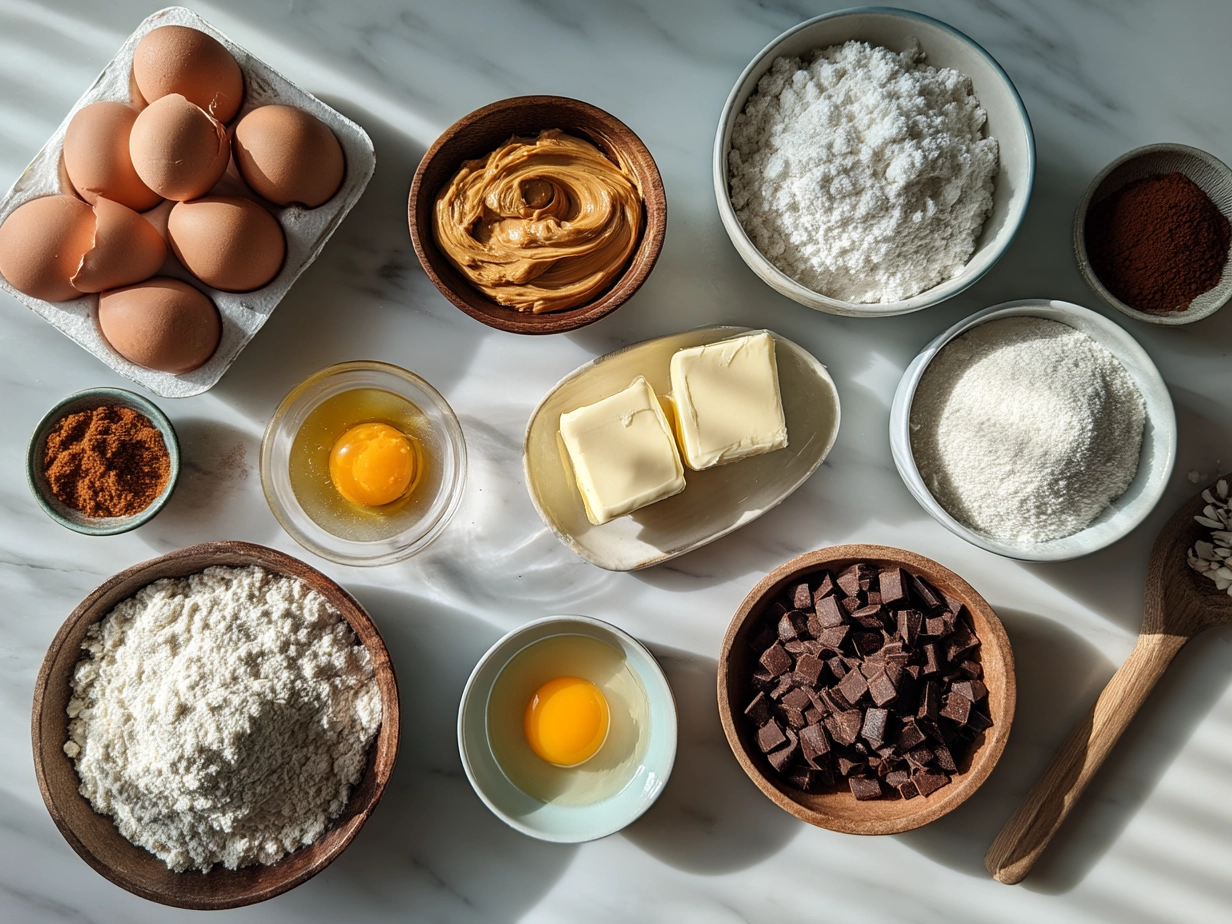
This Easter Peanut Butter Eggs recipe adapts well to what’s available in your pantry. For example, natural peanut butter gives a fresher taste, while a creamy mainstream brand may yield a sweeter filling. Using dark chocolate instead of semi-sweet offers a richer note, suited to those who prefer less sugary candy.
I prefer using homemade peanut butter when possible—the flavor is vibrant, and controlling salt and sugar levels feels like honoring the craft behind these eggs. If you want a seasonal touch, add a pinch of cinnamon or cardamom to the filling; these spices pair surprisingly well and nudge Easter Peanut Butter Eggs closer to traditional holiday warmth.
For readers curious about homemade peanut butter eggs that embrace simplicity, take a look at this collection of Easter candy recipes on Facebook, where community makers share their versions and ingredient insights. When each ingredient aligns, these Easter Peanut Butter Eggs feel ready to tell their own story at your table.
The Process
Making Easter Peanut Butter Eggs requires attention to detail and a commitment to patience. There’s something almost meditative in shaping these no-bake peanut butter treats by hand, feeling the dough take form and imagining the final chocolate peanut butter eggs soon to delight.
1. Mix the peanut butter and vanilla
Begin by stirring creamy peanut butter with vanilla extract in a bowl. Combine slowly, allowing the vanilla to infuse into the peanut butter. This step awakens the flavors beneath the surface, preparing your creamy peanut butter filling for the next stage.
2. Add powdered sugar gradually
Sift or add powdered sugar one cup at a time, folding carefully to avoid clumps. Your Easter Peanut Butter Eggs filling will come together into a dough-like consistency. Notice how the texture shifts—from sticky and wet to pliable and firm but still soft enough to shape. This is the hallmark of well-made filling.
3. Chill the filling
Cover the bowl and refrigerate the mixture for around 30 minutes. This chilling lets the filling solidify slightly. When ready, your Easter Peanut Butter Eggs filling will hold shape well but stay creamy when bitten into.
4. Shape the eggs
Take small portions and roll them into egg shapes with your hands. This step calls for gentle pressure—too much, and the filling loses its creaminess; too little, and the eggs won’t keep their form. Placing them on parchment or wax paper-lined trays helps with clean handling.
5. Prepare chocolate coating
Gently melt chocolate chips (with shortening if using) over a double boiler or in short bursts in the microwave, stirring often. Your chocolate should be smooth, glossy, and slightly fluid but not hot enough to burn your Easter Peanut Butter Eggs when dipped.
6. Dip the peanut butter eggs in chocolate
Using a fork or dipping tool, carefully coat each egg with the melted chocolate. Watch as your Easter Peanut Butter Eggs transform, gaining that glossy shell that contrasts the creamy interior. Tap away excess chocolate gently for an even, thin coating.
7. Set the eggs to harden
Place coated eggs back on lined trays and refrigerate until chocolates harden, about 20-30 minutes. The cool environment molds your Easter Peanut Butter Eggs into crisp, chocolate peanut butter eggs ready to be savored.
This step in making Easter Peanut Butter Eggs requires attention because temperature and timing affect texture. Chilling the filling properly prevents it from melting during chocolate dipping. Understanding why the chocolate shell sets as it does helps with achieving a signature snap and shine.
The aromas shift through the process—first, the roasted warmth of peanut butter; then, the sweet cold of powdered sugar; finally, the deep richness of melting chocolate. These sensory notes guide you until the final product arrives, ready for the table.
For visual learners and fellow food storytellers, check out this detailed technique for peanut butter Easter eggs from Crowded Kitchen here. It complements the steps shared, offering helpful tips on no-bake peanut butter treats.
Bringing It to the Table
Easter Peanut Butter Eggs carry a charm that suits various occasions, but especially those nestled within spring rituals and celebrations. Their creamy peanut butter filling nestled inside a smooth chocolate shell creates a balance that invites sharing slowly over coffee or after meals.
This Easter Peanut Butter Eggs pairs beautifully with simple accompaniments—a cup of rich black coffee, a side of tart berry jam, or even alongside fresh nuts and dried fruit. These combinations echo the balance of sweet and savory already present in the eggs.
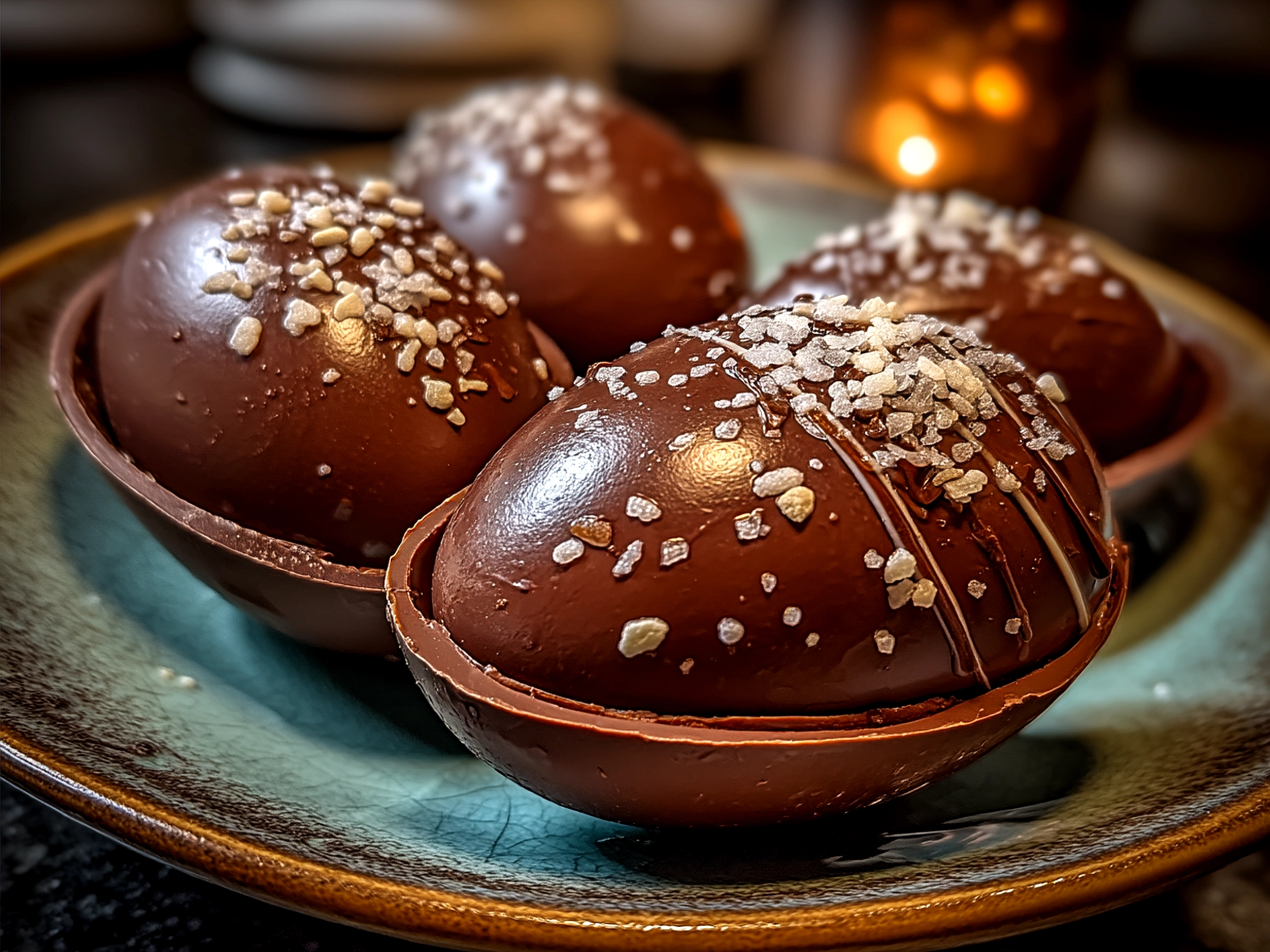
At Easter gatherings, these peanut butter eggs often steal the show. They add a nostalgic note alongside classic candies and fresh-baked breads. Consider serving Easter Peanut Butter Eggs when you want to offer something homemade yet approachable—no complicated forks or plates needed.
Presentation matters here. A wooden bowl lined with spring greens or pastel napkins creates a warm invitation. Wrapping each egg in wax paper ribbons prior to serving helps guests feel the care behind this homemade peanut butter eggs.
Seasonally, experimenting with white chocolate coatings or adding crushed pistachios on top can broaden the Easter Peanut Butter Eggs experience. In cooler months, the filling can be warmed slightly to soften edges, creating a different textural story.
Friends and family often respond with smiles and surprise. The texture contrast sparks conversations—for some, a rediscovery of a forgotten childhood sweet; for others, a new tradition formed over shared kitchen moments.
If you want to deepen your peanut butter treat repertoire, consider exploring peanut butter cookie bites or peanut butter banana oat bars through this FoodNarrative link and this one. These companions underscore the versatility of peanut butter in sweet traditions.
Common Questions
What makes Easter Peanut Butter Eggs different from similar peanut butter and chocolate treats?
Easter Peanut Butter Eggs excel in their balance between a creamy peanut butter filling and a distinct chocolate shell. Unlike peanut butter cups, their oblong egg shape is part of the tradition, signaling spring and renewal. The no-bake peanut butter treats method using powdered sugar yields a silky texture unmatched by cook-and-chill recipes. Many readers report a satisfying snap from chocolate peanut butter eggs not easily found elsewhere.
Can I prepare this Easter Peanut Butter Eggs in advance?
Yes. These eggs hold well in the refrigerator for up to two weeks and freeze beautifully for extended storage. Planning ahead allows flavors to meld further. When ready, thaw frozen eggs in the fridge for smooth texture—this strategy keeps them fresh for celebrations. Community posts like those found here on Facebook often discuss storage tips and variations.
How do I know when my Easter Peanut Butter Eggs are properly done?
You’ll recognize readiness when the filling is firm yet creamy and holds shape without cracking. The chocolate coating should be fully hardened and crisp to the touch. If the chocolate feels sticky or dull, it may need more cooling. Observing these markers ensures texture integrity for the final product.
Can I use crunchy peanut butter instead of creamy?
Crunchy peanut butter can be used, but the texture will shift notably in the creamy peanut butter filling. It introduces bits that may interrupt the smooth mouthfeel typical of these eggs. If you prefer a bit of crunch, try finely chopping nuts and folding them in separately for more control.
How to avoid the chocolate shell cracking when bitten?
Ensuring even, thin chocolate coating and allowing proper refrigeration reduces cracking. Sometimes chocolate anchored directly to a chilled filling contracts unevenly, so letting eggs warm slightly before serving softens the bite. Another trick is to use chocolate with some cocoa butter to improve flexibility.
Do I have to use shortening or coconut oil in the chocolate coat?
No, but a small amount helps the chocolate melt evenly and appear glossy, enhancing presentation and texture. This addition shouldn’t affect flavor markedly but improves handling, particularly in humid kitchens.
Are there flavor variations for Easter Peanut Butter Eggs?
Absolutely. Adding a pinch of sea salt to the filling enhances depth. Using white chocolate for the shell offers sweetness contrast. Some add orange zest for a bright twist or espresso powder for subtle bitterness. The variations affect outcome and elevate connections to personal tastes.
More questions are common, and I often refer curious food storytellers to these discussions on peanut butter egg traditions from Facebook fan groups or recipes from sites like Crowded Kitchen for community tips.
Closing Thoughts
Easter Peanut Butter Eggs deserve your attention as a sweet that brings simplicity, familiarity, and seasonal meaning to the table.
Quality of peanut butter defines the creamy filling’s success—starting here makes the difference between forgettable and unforgettable eggs.
Timing and chilling develop the texture needed for perfect shaping and coating—patience matters with no-bake peanut butter treats.
Flavor additions—from vanilla to subtle spices—invite personal stories and regional touches that give Easter Peanut Butter Eggs a place in diverse food traditions.
There are multiple variations I’ve tested and loved: one with dark chocolate shells that deepens richness; another embracing white chocolate and crushed pistachios for spring’s color; and a salt-touched creamy peanut butter filling that balances sweet with savory tension.
Different approaches—whether focusing on intense cocoa content or textural elements—reshape this treat’s character. Each shapes how I experience Easter Peanut Butter Eggs, making it a living story rather than a fixed formula.
I encourage you to make yours your own. What memories, what flavors, what textures do you want woven into this ritual? Easter Peanut Butter Eggs hold space for those questions—waiting patiently in your kitchen, ready to become part of your food narrative.
For inspiration beyond eggs, I invite you to visit these related peanut butter creations on FoodNarrative: peanut butter cup chocolate roll delight and the others shared earlier. There’s a rich vein of peanut butter joy that extends far beyond the shell of each egg.
Food and memory intertwine most vividly in moments of making and sharing. Easter Peanut Butter Eggs, simple in ingredients and profound in meaning, offer such moments. May your kitchen moments cultivating these eggs bring as much delight to your table as the stories they carry.
- FoodNarrative: Peanut Butter Cookie Bites
- FoodNarrative: Peanut Butter Banana Oat Bars
- FoodNarrative: Peanut Butter Cup Chocolate Roll Delight
- South Jersey Food Scene Facebook group
- Crowded Kitchen Peanut Butter Easter Eggs
- Best Christmas Cookie and Candy Recipes Facebook group
Easter Peanut Butter Eggs
Delight in these creamy, naturally sweet Easter Peanut Butter Eggs, perfect for a festive and nutritious treat that’s quick to make and irresistibly delicious.
- Prep Time: 15 minutes
- Cook Time: 10 minutes
- Total Time: 1 hour 25 minutes
- Yield: 24 eggs
- Category: Dessert
- Method: No-Cook
- Cuisine: American
Ingredients
- 1 cup creamy peanut butter
- 1/4 cup unsalted butter, softened
- 1 cup powdered sugar
- 1 teaspoon vanilla extract
- 2 cups milk chocolate chips
- 1 tablespoon coconut oil (optional, for smoother chocolate)
Instructions
- In a medium bowl, mix the peanut butter, softened unsalted butter, powdered sugar, and vanilla extract until smooth and well combined.
- Line a baking sheet with parchment paper.
- Shape the peanut butter mixture into small egg shapes, about 1-2 inches long, and place them on the lined baking sheet.
- Freeze the peanut butter eggs for 30 minutes to firm up.
- Meanwhile, melt the chocolate chips and coconut oil together in a microwave-safe bowl in 30-second intervals, stirring until smooth.
- Remove peanut butter eggs from the freezer and dip each egg into the melted chocolate, fully coating them.
- Place the chocolate-coated eggs back onto the parchment paper and refrigerate for at least 1 hour to set.
- Once set, store the eggs in an airtight container in the refrigerator until ready to serve.
Notes
For a crunchy twist, sprinkle crushed peanuts on top before the chocolate sets, or try dipping pastel-colored candy melts for a festive look.