
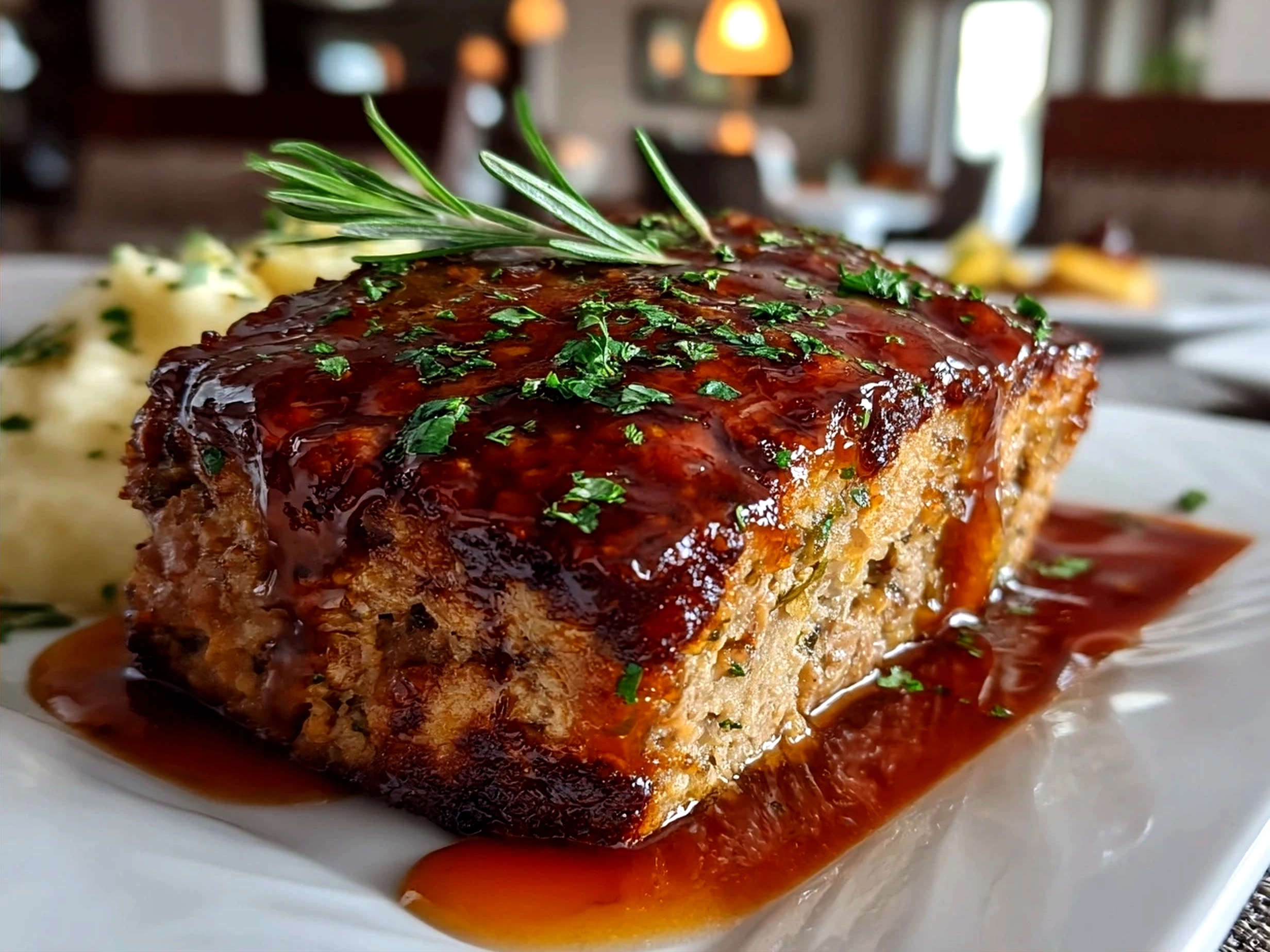
There’s a particular kitchen moment I remember with vivid clarity involving Classic Meatloaf. It was a late autumn afternoon, the kind where the light filters through amber leaves and fills the room with a soft, golden glow. My grandmother stood by the stove, softly humming while she worked. The smell of sizzling onions, mingling with the earthy scent of ground beef and fresh herbs, filled every corner. That Classic Meatloaf wasn’t just food; it was a link to her stories of a simpler time, a comforting ritual repeated each fall.
Classic Meatloaf carries these layers of memory for me — more than the sum of its parts, it’s a narrative passed down in kitchens filled with warmth. The way the meatloaf’s edges crisp while its inside stays tender always felt like watching a gentle transformation. This isn’t about innovation or novelty; it’s about honoring the rhythms of cooking that anchor family and tradition.
What’s remarkable about Classic Meatloaf is how, despite its ubiquity, it feels so particular and personal. It invites you to slow down, to measure and mix not just ingredients but moments. I’m eager to share the story held in each bite of this Classic Meatloaf with you. Together, let’s uncover what turns a simple baked meatloaf into a piece of comfort food meatloaf history worth savoring.
The Components
The beauty of this Classic Meatloaf lies in ingredient quality and balance. Each component plays a role in texture, flavor, and the spirit of the dish. When gathering your meatloaf ingredients, keep in mind freshness and provenance — these will shape your Classic Meatloaf deeply.
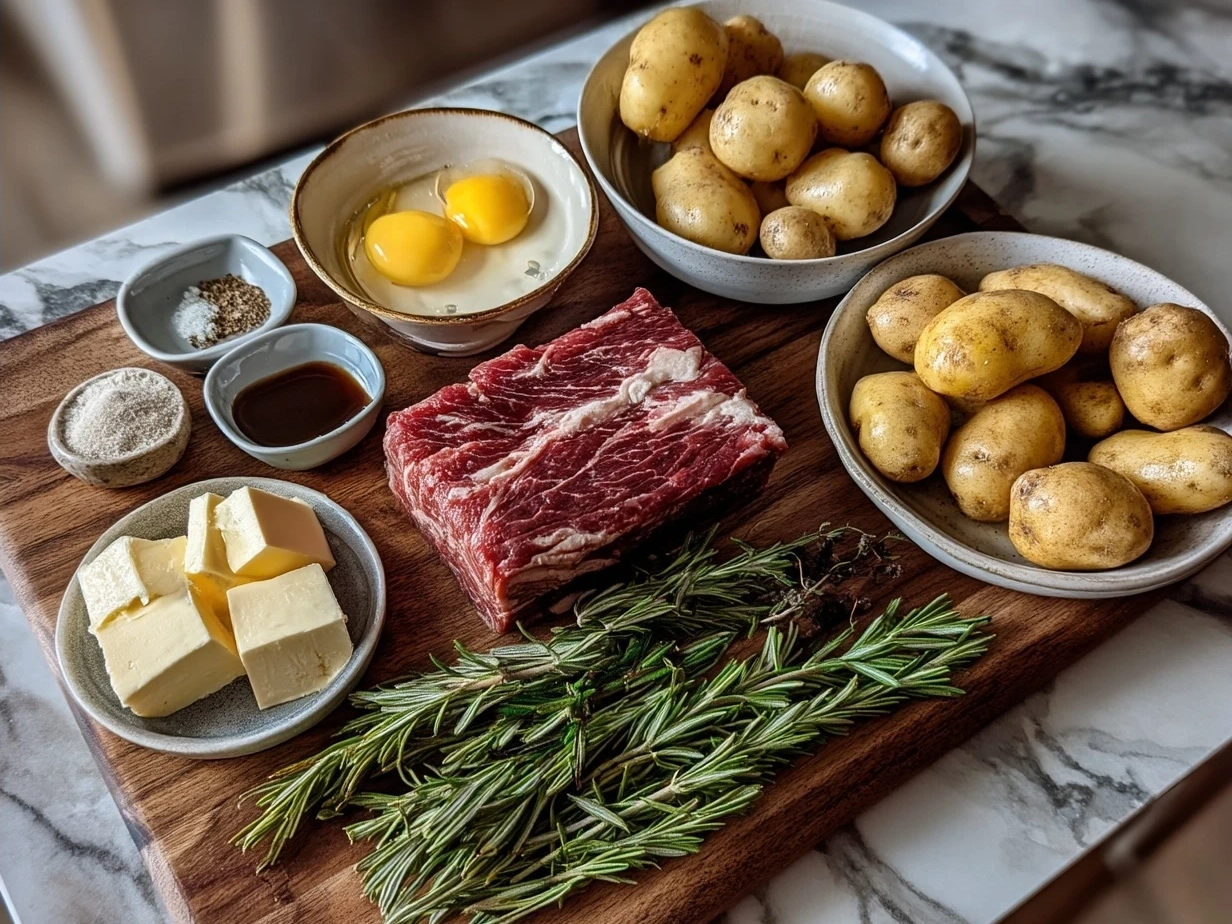
Here’s what transforms good Classic Meatloaf into memorable food:
- 1 pound ground beef, preferably 80/20 for juiciness: Look for local butchers or farmers markets to find fresh, well-marbled beef that provides richness without overwhelming the palate.
- 1/2 pound ground pork (optional but adds tenderness): If you like, sourcing a mix of meats can deepen the flavor profile without complicating the process.
- 1 medium onion, finely chopped: Yellow onions lend sweetness; in spring and summer, you might use fresh green onions for a lighter touch.
- 2 cloves garlic, minced: Fresh garlic offers a sharp but comforting undercurrent.
- 1 cup fresh breadcrumbs: If you gather stale bread from your pantry, pulse it to crumbs for freshness; avoid pre-packaged to preserve texture.
- 1/2 cup milk: Use whole milk for creaminess or a splash of buttermilk for tang.
- 1 large egg: Acts as a binder, holding your Classic Meatloaf together.
- 1/4 cup ketchup: The tangy glaze is iconic; select one with balanced sweetness, or if you prefer, try a smoky tomato sauce.
- 1 tablespoon Worcestershire sauce: Adds a depth that’s hard to replicate.
- 1 teaspoon salt and 1/2 teaspoon black pepper: Seasoning is key—adjust to taste but don’t underplay these basics.
- Optional herbs like parsley or thyme: Fresh herbs brighten and nuance the dish.
I prefer using fresh, local ingredients wherever possible. This Classic Meatloaf adapts well to what’s available seasonally, so don’t hesitate to swap ingredients thoughtfully — perhaps a mix of meats from a local farm or a seasonal herb twist. The onion’s sweetness might be replaced with shallots in winter, or garlic’s bite softened with roasted cloves. These changes will shift your Classic Meatloaf’s voice but keep its heart.
The Process
Making Classic Meatloaf becomes a ritual where each step deserves attention. Patience in these kitchen moments transforms simple ground meat and seasonings into something that comforts long before the first bite.
- Preheat your oven to 350 degrees Fahrenheit. This moderate heat lets your baked meatloaf cook gently, avoiding a dry crust with a moist interior.
- Mix your breadcrumbs and milk in a small bowl. This softening step helps the loaf’s texture—watch as the breadcrumbs swell, soaking in liquid.
- In a large bowl, combine the ground beef, ground pork (if using), and soaked breadcrumbs. Add your finely chopped onions, garlic, egg, Worcestershire sauce, salt, and pepper. Mix gently but thoroughly—avoid overworking the meat to keep the texture tender.
- Transfer the mixture into a parchment-lined loaf pan or shape it by hand on a baking sheet. This shaping is where your Classic Meatloaf begins to show personality — a solid, welcoming form.
- Spread ketchup over the top of your meatloaf. This coating caramelizes in the oven, sealing in juiciness and creating that comforting tangy glaze so associated with classic meatloaf recipes.
- Place the meatloaf in the oven. This Classic Meatloaf needs about an hour of quiet cooking. Watch as the edges brown and the aromas shift—meat, onions, and sweet tomato mingling in a chorus of nostalgia.
- Use a meat thermometer to check for doneness, aiming for an internal temperature of 160 degrees Fahrenheit. This precision avoids overcooking, which can dry out your meatloaf. Your Classic Meatloaf will signal readiness through a firm but yielding texture.
- Rest your meatloaf for 10-15 minutes before slicing. This pause lets the juices redistribute, making every slice moist and satisfying.
Understanding why your Classic Meatloaf behaves this way builds confidence with each attempt. The gentle baking coaxing flavors together contrasts with pan-frying, which would brown external surfaces faster but risk toughness.
Throughout numerous iterations, I’ve noticed the importance of balance in mixing and the patience in baking. Overworked ingredients compress texture; rushing the resting step loses juiciness. This process respects time as an unsung ingredient in Classic Meatloaf.
Bringing It to the Table
This Classic Meatloaf pairs beautifully with simple sides that echo its comforting nature. Roasted root vegetables, creamy mashed potatoes, or a crisp green salad provide contrasts in texture and freshness.
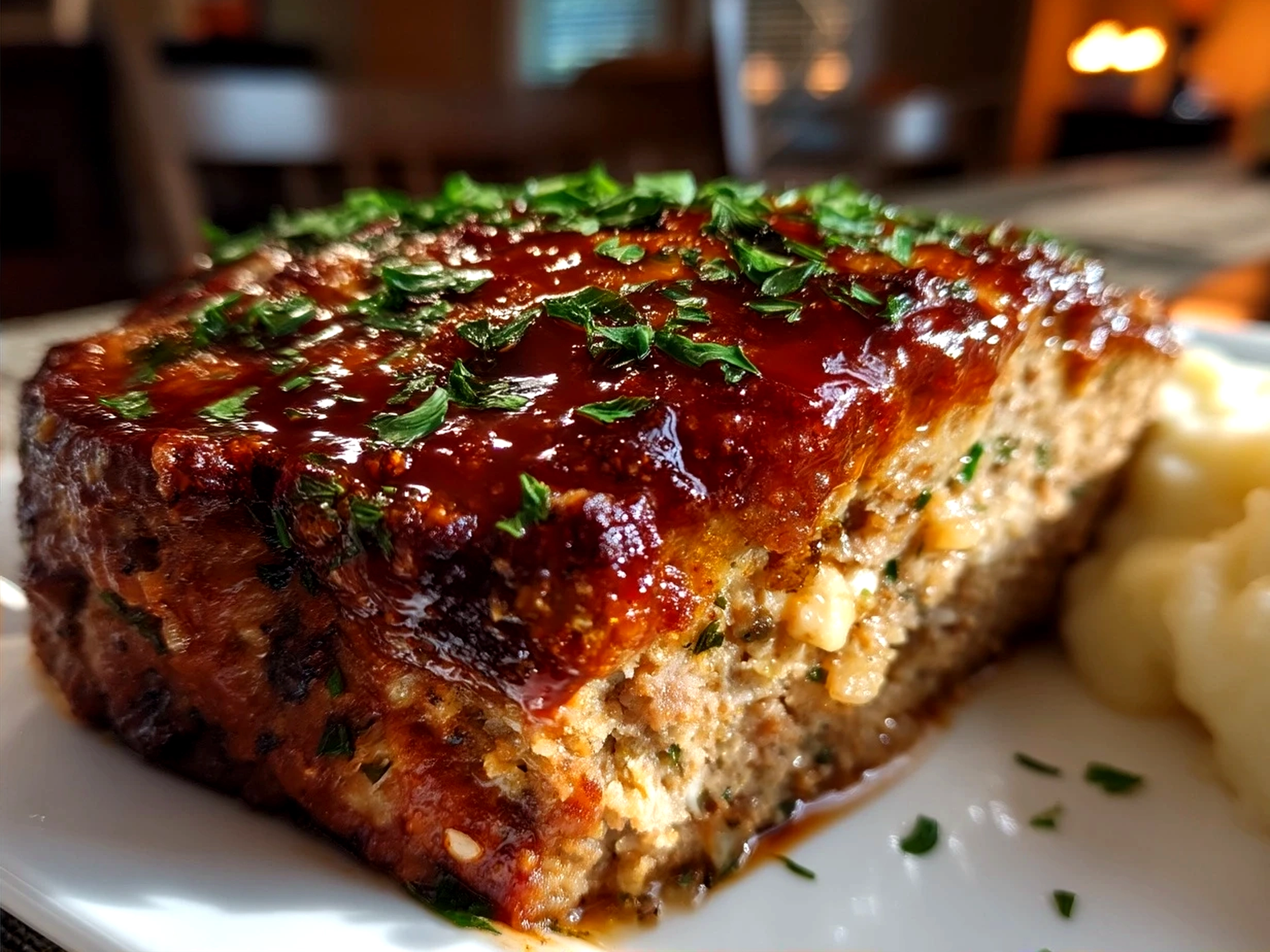
Consider serving this Classic Meatloaf when the day calls for familiar warmth — a weeknight dinner that hugs your appetite, or a Sunday family meal inviting stories around the table. Presentation might include sliced rounds on warm plates, some extra ketchup for dipping, and a sprig of parsley for color.
For seasonal variation, try adding roasted bell peppers or mushrooms into the mix when ingredients are at their peak. This addition creates a slightly earthier, more rustic iteration of Classic Meatloaf.
Those who’ve shared this meal have often mentioned how it evokes memories from their own childhoods or delivers the kind of comfort that weekend dinners crave. This resonant quality aligns Classic Meatloaf with timeless comfort food meatloaf traditions and its place within food narratives across families.
Common Questions
What makes this Classic Meatloaf different from similar dishes? Unlike a meatball or burger, Classic Meatloaf holds its shape as a single loaf, bringing together meatloaf ingredients into a cohesive, baked whole. The ketchup glaze also sets it apart from other ground meat dishes, balancing savory and sweet notes.
Can I prepare this Classic Meatloaf in advance? Yes, you can mix and shape the meatloaf a day ahead and keep it covered in the fridge. Bring it to room temperature before baking. The resting time helps the flavors meld, deepening the narrative of the dish.
How do I know when my Classic Meatloaf is properly done? A meat thermometer reading of 160 degrees Fahrenheit inside is your best gauge. The meatloaf should feel firm to the touch but not dry. Watch for the caramelized ketchup crust as a visual cue.
Can I substitute ingredients in this Classic Meatloaf? Absolutely. Ground turkey, chicken, or a vegetarian mixture with lentils can stand in for beef, though cooking times and textures will shift. Adjust seasonings to compensate for different tastes and moisture levels.
What’s the best way to bind my Classic Meatloaf ingredients? Egg and soaked breadcrumbs form a classic duo. For gluten-free options, crushed crackers or oats work well. Avoid skipping binders if you want a loaf that holds together through slicing.
Does resting the Classic Meatloaf really matter? Yes, resting after baking redistributes juices and firms up the loaf. It feels less fragile and slices cleanly, enhancing both flavor and appearance.
Can I freeze leftovers of Classic Meatloaf? Definitely. Slice the meatloaf, wrap pieces tightly, and freeze. Reheat gently in the oven. It retains texture and flavor rather well with this approach.
Readers often ask about cooking tips for keeping meatloaf moist. My experience suggests a balance of fat in the meatloaf ingredients and avoiding overmixing. Also, baking covered with foil partway through can reduce drying out. These meatloaf cooking tips stem from trial, error, and the desire for that perfect bite.
For more detailed steps, check out the Classic Homemade Meatloaf Recipe – Budget Bytes or The Best Meatloaf Recipe from Natasha’s Kitchen. You’ll find variations using different meatloaf ingredients and techniques to suit your kitchen moments. Martha Stewart’s version on Facebook highlights why this comfort food meatloaf remains a dinner table essential.
Closing Thoughts
This Classic Meatloaf is worth your effort because it embodies more than nourishment—it’s a link to tradition, a comfort on the plate that recalls stories from kitchens past.
Key insights to keep in mind:
- Quality and balance in meatloaf ingredients create a tender, flavorful loaf.
- Patience in the baking process rewards you with deep flavor and pleasing textures.
- Resting the loaf after baking is crucial for juiciness and sliceability.
Tested variations enrich the Classic Meatloaf’s tale. Try mixing beef and pork or adding fresh herbs for subtle aroma shifts. For a modern twist, incorporate barbecue sauce in place of ketchup, or fold in grated vegetables. Each version changes the story your Classic Meatloaf tells without losing its heart.
You hold the power to shape this dish into your own, whether that means sticking to a traditional meatloaf recipe or making it your kitchen moment of creative comfort. This isn’t just a baked meatloaf; it’s a pause in the day, a gathering of flavors and memories.
If you’ve enjoyed this narrative of Classic Meatloaf, consider pairing your meal with a nostalgic Classic Dirt Cake Delight from FoodNarrative. It’s another comforting story worth telling and tasting.
For broader inspiration and helpful instructions, these resources deserve a visit: Budget Bytes’ Classic Homemade Meatloaf Recipe, Natasha’s Kitchen’s The Best Meatloaf Recipe, and Martha Stewart’s shared comfort food insights on Facebook.
Classic Meatloaf remains a dish to return to, time and again, reminding us that some stories, like some recipes, are too good to let go. I hope yours brings the same warmth and meaning it has sparked in mine.
Classic Meatloaf
Classic Meatloaf is a hearty, comforting dish made with seasoned ground beef baked to perfection, ideal for a satisfying family dinner.
- Prep Time: 15 minutes
- Cook Time: 75 minutes
- Total Time: 90 minutes
- Yield: 6 servings
- Category: Dinner
- Method: Baked
- Cuisine: American
Ingredients
- 1 1/2 pounds ground beef
- 1 egg
- 1 onion, finely chopped
- 1 cup milk
- 1 cup dried breadcrumbs
- 2 tablespoons ketchup
- 1 tablespoon Worcestershire sauce
- 1 teaspoon salt
- 1/2 teaspoon black pepper
- 1/2 teaspoon garlic powder
- 1/2 teaspoon dried oregano
- 1/2 cup ketchup (for topping)
Instructions
- Preheat oven to 350°F (175°C).
- In a large bowl, combine ground beef, egg, chopped onion, milk, breadcrumbs, 2 tablespoons ketchup, Worcestershire sauce, salt, pepper, garlic powder, and oregano. Mix until well blended.
- Transfer mixture to a loaf pan or shape into a loaf on a baking sheet.
- Spread 1/2 cup ketchup evenly over the top of the meatloaf.
- Bake in the preheated oven for 60 to 75 minutes, or until meat is cooked through and juices run clear.
- Let the meatloaf rest for 10 minutes before slicing and serving.
Notes
For extra flavor, add finely chopped bell peppers or substitute ground beef with a mix of beef and pork. Serve with mashed potatoes or steamed vegetables.