
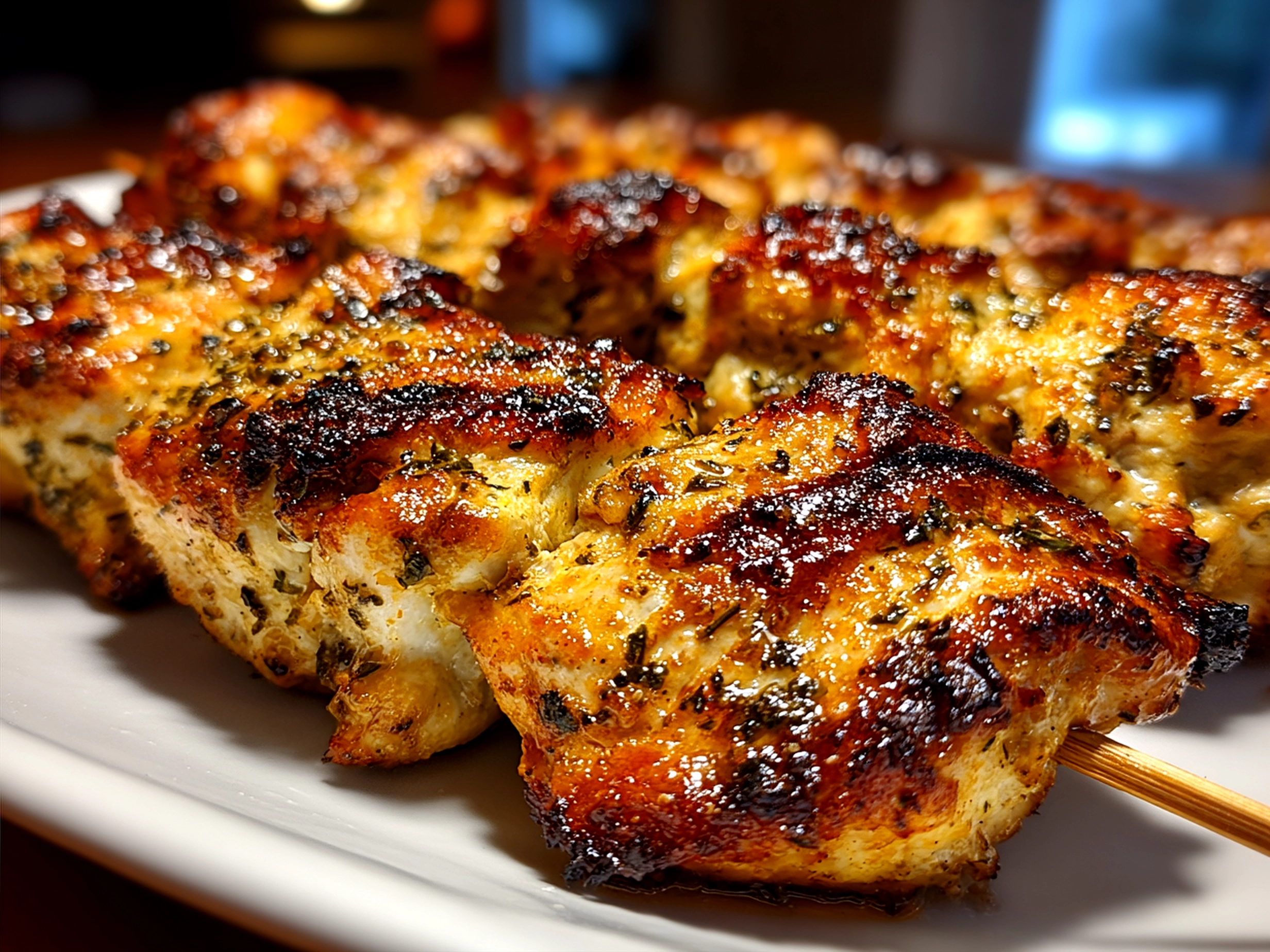
There’s a particular afternoon etched into my memory, one that began with sunlight filtering through the porch slats, carrying the faint, smoky scent of grilled meat. It was during a summer visit to a friend’s backyard—an impromptu gathering where Chicken Kebabs played the leading role. The sound of sizzling grills was a kind of music, punctuated by laughter and the murmur of stories swapping across picnic tables. Those Chicken Kebabs weren’t just grilled chicken skewers; they were a revelation—a symphony of marinated spices that seemed to carry both history and hospitality on their charred edges.
I remember the moment I took that first bite—the tenderness, the gleam of juices mingling with the warmth of toasted herbs. It was more than food; it was a connection, shared over plates that glistened with Middle Eastern chicken kebabs slow-cooked over an open flame. This wasn’t just a casual meal but a narrative woven from barbecues I’d known and new flavors I hadn’t expected. The spicy chicken skewers, vibrant and robust, told of traditions carried through generations, their recipes revealed in the joyful concentration of the cook turning them on the grill.
That afternoon illuminated how chicken kebabs belong to more than a season or a cuisine; they embody gatherings, stories, and care passed over dinner tables. It sparked my curiosity to revisit this dish, to understand every brush of marinade and every char on those grilled chicken skewers. I invite you to take this journey with me—to listen to the tales chicken kebabs tell, to savor the layers of flavor, and to find your own meaning in the art of their making.
The Components
What makes Chicken Kebabs stand out lies in the harmony of its ingredients—each one carefully chosen to balance flavor, texture, and authenticity. For a batch of vibrant, marinated chicken kebabs enough to serve four, here’s what you’ll need:
- 1.5 pounds boneless, skinless chicken thighs, cut into 1.5-inch cubes
- 3 tablespoons extra virgin olive oil (Look for cold-pressed varieties at farmers markets)
- Juice of 1 lemon, fresh and bright
- 4 garlic cloves, minced finely
- 2 teaspoons ground cumin (whole cumin seeds toasted and ground offer a deeper aroma)
- 2 teaspoons smoked paprika
- 1 teaspoon ground coriander
- 1 teaspoon cayenne or chili powder for those who appreciate spicy chicken skewers
- 1 teaspoon salt
- Freshly cracked black pepper, to taste
- Fresh parsley or cilantro, chopped, for garnish
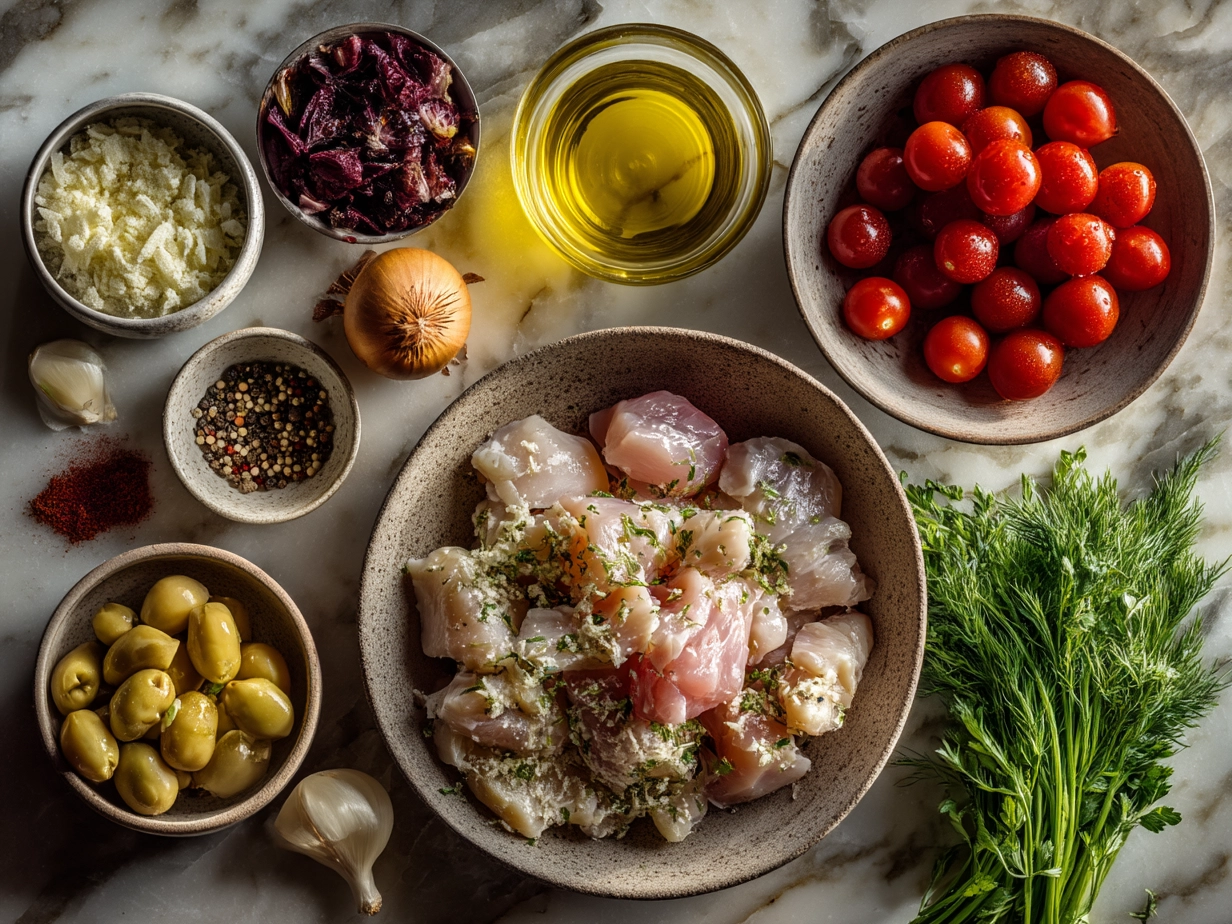
Sourcing these ingredients thoughtfully enhances your chicken kebabs. I prefer chicken thighs for their succulence; they’re less likely to dry out on the grill compared to breasts. Finding garlic that’s plump and fresh, perhaps from a local farm stand, takes the marinade’s flavor up a notch. The spices benefit from freshness too; grinding them yourself or purchasing from specialty spice shops ensures your kebabs carry that fragrant punch associated with Middle Eastern chicken kebabs.
This recipe adapts well if you swap lemon juice for a splash of pomegranate molasses for a tangy sweetness or replace olive oil with avocado oil when you want a higher smoke point without losing richness. You’ll notice that freshness and seasonality become clearer in every bite—the garlic’s sharpness, the citrus’s brightness, and the spices’ depth all working together in a marinade that turns simple white meat into memorable grilled chicken skewers.
The Process
Making Chicken Kebabs calls for patience and intention. Each moment in this process shapes the dish’s final identity, from marinating to grilling.
- Prepare the marinade. In a medium bowl, combine olive oil, lemon juice, minced garlic, cumin, smoked paprika, coriander, cayenne, salt, and pepper. Whisk thoroughly, noticing how the ingredients blend into a fragrant, reddish mixture essential for authentic Middle Eastern chicken kebabs.
- Marinate the chicken. Add the cubed chicken thighs to the marinade, tossing until each piece is well-coated. Cover and refrigerate for at least 2 hours, ideally overnight. This step is crucial—these marinated chicken kebabs absorb the spices deeply, tenderizing and developing flavor layers that simple seasoning can’t match.
- Soak wooden skewers—if you are using them—in water for 30 minutes to prevent burning on the grill. Metal skewers don’t require this and conduct heat differently, speeding cooking from inside the meat.
- Preheat your grill to medium-high. Whether using a charcoal pit or gas grill, clean grates are essential for clean grill marks and to ensure the chicken kebabs don’t stick.
- Thread the chicken onto skewers, leaving a small space between pieces to allow heat circulation. This spacing helps every cube cook evenly, avoiding the pitfall of dense, soggy kebabs.
- Grill the chicken kebabs for 10 to 12 minutes, turning every few minutes. Watch how the colors deepen and how the edges char just enough to create a smoky contrast against the juicy centers. The aromas shift—from sharp garlic and herbs to warm, toasted spices.
- Check for doneness by piercing a piece with a fork; juices should run clear, and the chicken’s internal temperature should hit 165 degrees Fahrenheit. Understanding why this matters—avoiding dry or undercooked meat—helps you serve kebabs at their best.
- Rest the chicken kebabs for 5 minutes off the heat. This pause allows juices to redistribute, preventing dryness and yielding skewers that burst with moisture and flavor.
Through each repetition of this kitchen moment, I’ve observed subtle differences—how longer marination changes texture, how grill temperature creates varying char levels. Your chicken kebabs will show you their readiness through vibrant juices and scent; pay attention, and they’ll reward you.
Bringing It to the Table
Chicken Kebabs present a versatility that makes them welcome at both casual barbecues and more refined dinner settings. They shine on summer evenings when served alongside a crisp tabbouleh or a creamy garlic yogurt sauce, complementing their smoky, spicy depth.
Consider pairing your chicken kebabs with warm pita bread, roasted vegetables, or tangy pickles to deepen the experience. During fall, I’ve seen the dish brought to life with grilled autumn squash or a hearty grain salad, blending barbecue chicken recipes with seasonal produce. The presentation matters too—arranging grilled chicken skewers on a colorful platter, garnished with fresh herbs and lemon wedges, invites immediate sharing and conversation.
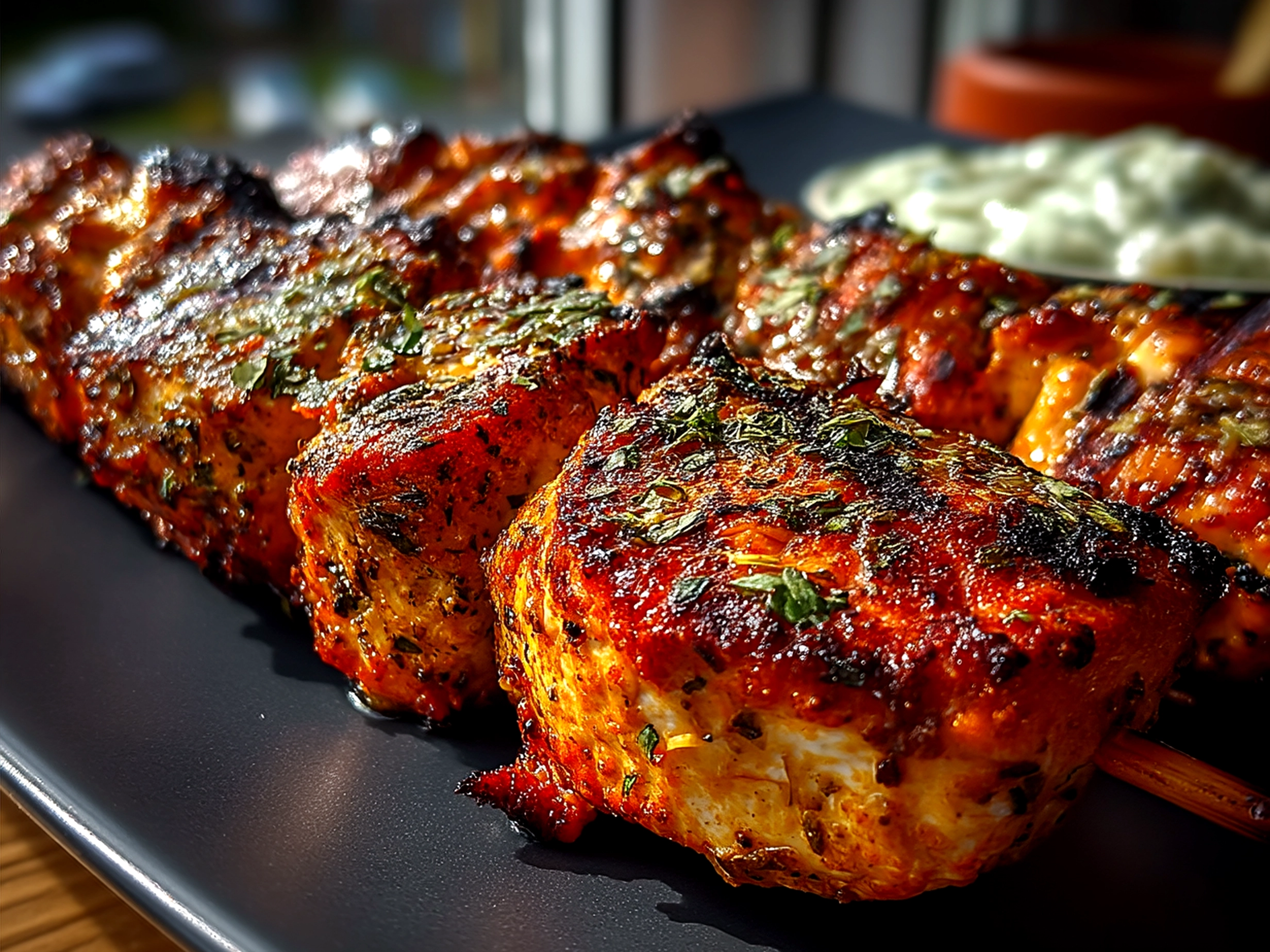
These kebabs work well in varied settings—from street food markets to family dinners. For those who appreciate this approach, the Middle Eastern chicken kebabs Chicken Kebabs from Once Upon a Chef offer further insight into traditional flavor profiles. Meanwhile, experimenting with spicy chicken skewers adds exciting layers for adventurous eaters, as seen in the Smoky and Spicy Yogurt Marinated Chicken Kebabs Recipe.
Friends who visit often remark on the warmth this chicken kebabs bring to the table, sparking conversations about origin, technique, and taste. Sharing this food feels like sharing a story—something that always lingers after the plates are cleared.
Common Questions
What distinguishes these Chicken Kebabs from other grilled chicken dishes?
Our chicken kebabs differ by their marinade complexity, which balances acidity, spice, and oil before grilling transforms these pieces into marinated chicken kebabs with deep flavor and tender texture. This contrasts with simpler barbecue chicken recipes, where seasoning might be lighter or applied post-cooking.
Can I prepare Chicken Kebabs in advance?
Absolutely. Marinating the chicken ahead, up to 24 hours, enhances flavor. You can also thread them onto skewers the day before, keeping them covered in the fridge. Just remember to dry the skewered chicken before grilling to promote proper searing and avoid steaming.
How do I judge when Chicken Kebabs are perfectly cooked?
Look for clear juices and an internal temperature of 165°F. The chicken should be firm but still tender and juicy, with a lightly charred exterior signaling the development of flavor. Overcooking leads to dryness, losing the magic that makes grilled chicken skewers so appealing.
Is it okay to substitute chicken breasts for thighs?
Yes, but be cautious. Chicken breasts can dry out quickly on the grill. Marinate longer and watch cooking time closely. Many prefer dark meat’s succulence in marinated chicken kebabs for a balance of texture and flavor.
What spices are essential to Middle Eastern chicken kebabs?
Cumin, coriander, and paprika are foundational. These create the iconic warm, earthy, and slightly smoky profile. Fresh garlic and lemon juice add brightness beyond the spices. For a twist, try Mediterranean Chicken Kebabs with Garlic Yogurt Sauce, which softens spices with creamy notes.
Can we make spicy chicken skewers for those who love heat?
Certainly. Increase cayenne, add chili powder, or even fresh minced chilies to the marinade. The Smoky and Spicy Yogurt Marinated Chicken Kebabs Recipe is an inspiring guideline on balancing heat and creaminess.
What’s the best way to serve leftover Chicken Kebabs?
Reheating gently works fine, but I prefer repurposing: slice the grilled chicken to top salads like the Chicken Salad Chick Grape Salad or fold leftover chicken kebabs into rice bowls bundling flavors with sauces, like the Honey Sriracha Chicken Rice Bowls.
Closing Thoughts
This dish speaks volumes about what food brings to the table beyond sustenance: history, place, and the shared act of making and eating. Chicken Kebabs carry stories in their smoky char and fragrant spices—each bite tells of care in ingredient choices, patience in marination, and craft in grilling.
The first insight: quality ingredients transform chicken kebabs from simple convenience to memorable food. Using fresh spices, proper cuts of chicken, and fragrant herbs matters.
Secondly, the technique’s intention shapes the experience. Marination time, grill temperature, and even skewer spacing impact the texture and taste dramatically.
Lastly, chicken kebabs invite personalization—whether through spicing, accompaniments, or cooking style, turning this dish into something personal and meaningful.
I’ve experimented with many variations—from classic Middle Eastern chicken kebabs to spicy chicken skewers fired with chili heat, each version shifting the dish’s identity while remaining rooted in the core of grilled chicken skewers. These tested approaches provide a roadmap to find your favorite form.
This dish is a kitchen moment worth embracing. It teaches patience, respect for ingredients, and the joy of welcoming others to share food and story. I hope you find the same satisfaction in making chicken kebabs your own and gather your stories around their smoky, fragrant presence.
Chicken Kebabs
Juicy, flavorful chicken kebabs marinated in aromatic spices and grilled to perfection, making a perfect dish for any meal or gathering.
- Prep Time: 10 minutes
- Cook Time: 12 minutes
- Total Time: 22 minutes
- Yield: 4 servings
- Category: Dinner
- Method: Grilled
- Cuisine: Mediterranean
Ingredients
- 1 lb boneless, skinless chicken breasts, cut into cubes
- 2 tbsp olive oil
- 2 tbsp lemon juice
- 3 garlic cloves, minced
- 1 tsp ground cumin
- 1 tsp paprika
- 1/2 tsp turmeric
- 1/2 tsp salt
- 1/4 tsp black pepper
- 1 red bell pepper, cut into chunks
- 1 green bell pepper, cut into chunks
- 1 red onion, cut into chunks
- Wooden or metal skewers
Instructions
- In a large bowl, combine olive oil, lemon juice, minced garlic, cumin, paprika, turmeric, salt, and black pepper to create the marinade.
- Add the chicken cubes to the marinade and toss well to coat evenly. Cover and refrigerate for at least 1 hour.
- If using wooden skewers, soak them in water for 30 minutes to prevent burning.
- Preheat the grill to medium-high heat.
- Thread the marinated chicken, bell peppers, and onion chunks alternately onto the skewers.
- Place the kebabs on the grill and cook for 10-12 minutes, turning occasionally, until the chicken is fully cooked and has grill marks.
- Remove from grill and let rest for a few minutes before serving.
Notes
For extra flavor, garnish with fresh chopped parsley and serve with a side of tzatziki or garlic yogurt sauce.