
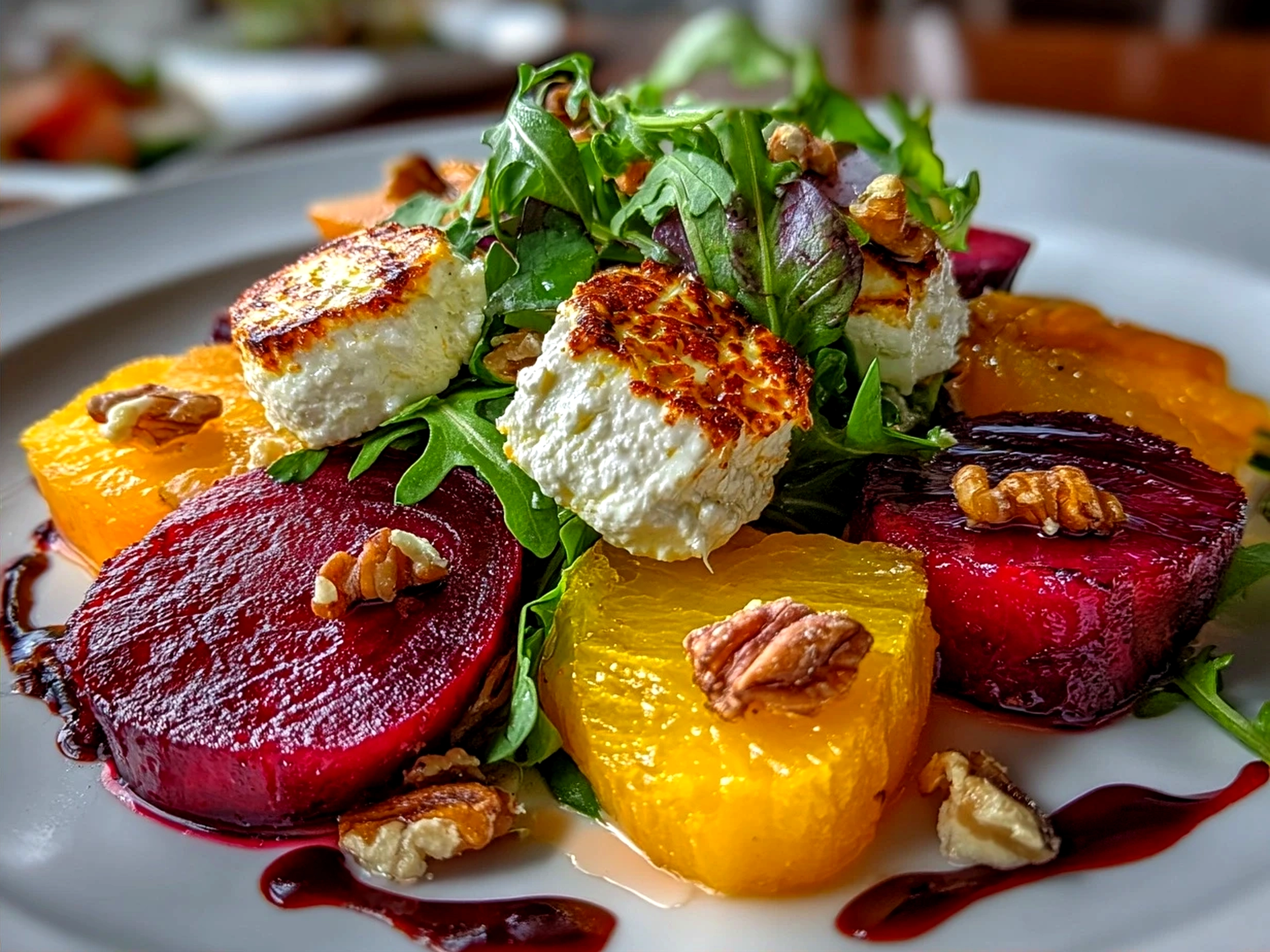
I still remember the first time I encountered roasted beet goat cheese—not as a dish on a menu, but on a cracked wooden table bathed in golden afternoon light at a weekend farmers’ market. The air was crisp, carrying a faint hum of chatter and the earthy scent of fresh produce mingled with baking bread. An old friend, wise in the ways of local and seasonal ingredients, handed me a small plate of this beet and cheese appetizer, encouraging me to taste without expectation. What struck me first was the rosy glow of those roasted beets, their sweet earthiness tempered and deepened by the tangy, creamy goat cheese nestled alongside.
That moment stayed with me—not only because of the unexpected harmony of flavors but because it revealed something larger about food culture. Roasted beet goat cheese isn’t merely a salad or appetizer. It’s a conversation between simple, honest ingredients and the time-honored tradition of balancing textures and tastes, something that resonates across many cuisines. Since then, this roasted beet goat cheese has found its way unexpectedly into my kitchen and onto my table, each preparation a ritual of patience and appreciation for when nature offers something special.
For me, this beet salad with goat cheese is a marker of autumn and winter markets, a dish that invites slow bites and warm company. It’s never hurried or overly complicated. Instead, the roasted beets’ tender sweetness wrapped in tangy goat cheese whispers stories of roots dug from cold soil and the human touch that honors them. I’d love to invite you to join me and take a moment to understand why roasted beet goat cheese means so much beyond its ingredients. Together, we can unravel the components, the process, and the many ways it fits into tables large or small.
The Components
The beauty of roasted beet goat cheese lies in ingredient quality. Here’s what transforms good roasted beet goat cheese into memorable food:
- 3 medium beets (preferably golden or red), scrubbed and trimmed: Look for firm beets with smooth skin, free of blemishes. You’ll often find fresh bundles at farmers markets or specialty stores.
- 4 ounces of fresh goat cheese: Creamy, tangy, and slightly crumbly, this is the star of goat cheese recipes in this dish. I prefer using local chèvre from a farmer’s coop for freshness.
- 2 tablespoons extra virgin olive oil: Find a fruit-forward oil with grassy notes to complement the beets and cheese.
- 1 tablespoon balsamic vinegar: Adds an acidic balance; aged varieties bring a syrupy richness.
- 1 teaspoon honey: Optional, for subtle sweetness that plays well with earthy beets.
- Salt and freshly ground black pepper: To taste.
- Fresh herbs such as thyme or parsley: When in season, these brighten the salad with herbal freshness.
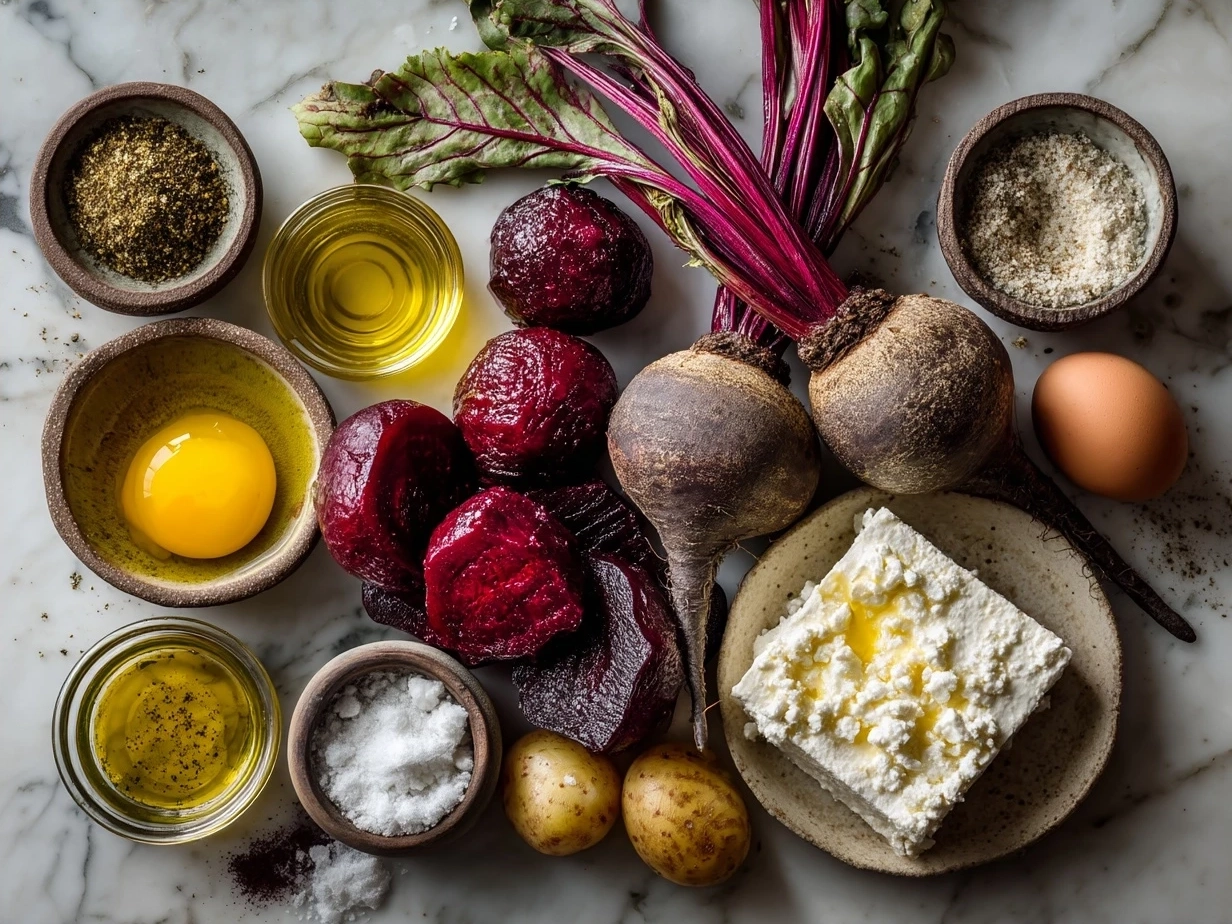
This roasted beet goat cheese adapts well to what’s available. If you don’t find local goat cheese, a tangy feta could substitute. And when fresh beets aren’t an option, pre-cooked beet packs from the fridge section work in a pinch, though roasting fresh ones unlocks a deeper, caramelized flavor that’s well worth the effort.
Before roasting, I trim beet greens off and save them for sautéing—a small way to honor the whole plant. Once cleaned, roasting wrapped in foil or foil-free on a tray concentrates natural sugars, making the roasted beets tender yet firm enough to hold their shape in a goat cheese salad.
If you’re sourcing these ingredients and want to learn more about different ways to enjoy beet salad with goat cheese, resources like this Roasted Beet Goat Cheese Salad with Balsamic Recipe offer nuanced takes that honor the ingredient’s versatility.
The Process
- Preheat your oven to 400 degrees Fahrenheit. This roasted beet goat cheese requires gentle heat to bring out the richness of the beets without drying them.
- Prepare the beets: After trimming and washing, wrap each beet individually in aluminum foil. This creates a steamy environment that gently cooks the beets from within. Roast for about 45 to 60 minutes. The timing varies based on beet size—the smallest ones may be done closer to 40 minutes.
- Check for doneness: Insert a knife or skewer into the beet; it should slide in easily, signaling tenderness. This is a key moment—the promise that your roasted beet goat cheese is approaching its full flavor potential.
- Cool and peel: Once roasted, allow beets to cool enough to handle. The skins slip off simply when rubbed with a paper towel or your fingers. Peeling is almost meditative, revealing those waxy, jewel-toned roots.
- Slice and season: Cut beets into your preferred shape—wedges or rounds work well for beet and cheese appetizer presentations. Drizzle with olive oil, balsamic vinegar, a touch of honey, salt, and pepper. The dressing should feel light, allowing the roasted beet goat cheese to shine.
- Add goat cheese: Crumble fresh goat cheese on top of the beets or serve it alongside for guests to add themselves. Goat cheese softens slightly at room temperature, becoming lush and tangy, perfect for pairing with the sweet roasted beets.
- Optional herbs and nuts: Sprinkle fresh thyme or parsley. For contrasting texture, a handful of toasted walnuts or pistachios offer crunch. This additional layer deepens the dish and makes it special enough for any occasion.
- Let flavors meld: Allow the salad to rest briefly before serving, weaving the flavors fully together. This simple pause enhances the roasted beet goat cheese, making each bite soothing and complex.
While your roasted beet goat cheese cooks, notice how the aroma shifts—the earthy scent of roasting beet deepens and becomes slightly caramelized, blending beautifully with the subtle sharpness of goat cheese waiting in the wings. Understanding why your roasted beet goat cheese behaves this way enriches any kitchen moment, turning simple preparation into culinary awareness.
For guidance on technique and flavor balancing, these Roasted Beet Salad with Goat Cheese, Walnuts & Honey-Dijon provide an excellent place to compare insights.
Bringing It to the Table
Roasted beet goat cheese fits beautifully into many table settings. I often bring this beet and cheese appetizer when hosting intimate dinners—it feels like an offering, something that invites guests to slow down and savor.
This beet salad with goat cheese pairs beautifully with roasted garlic mashed potatoes from Food Narrative’s own collection. The creamy richness of those potatoes balances the bright acidity of the beet and cheese salad, creating a harmony that lingers.
Consider that this roasted beet goat cheese shines on holiday tables, casual lunches with friends, or as part of a plated appetizer array.
When planning seasonal variation, adding fresh citrus segments in winter offers a burst of brightness, while summer versions might include lightly grilled beets or a drizzle of herb-infused oil. Presentation is simple yet thoughtful—arranged on rustic plates, garnished with fresh herbs or microgreens, it says there was care.
People respond to this roasted beet goat cheese with surprise and delight, often remarking how the smooth goat cheese dances with the subtly sweet roasted beets. For more ideas on how roasted beet and goat cheese come together, this recipe for Roasted Beet Salad with Goat Cheese & Pistachios captures variations that appeal to those seeking texture and fresh flavor balance.

Common Questions
What makes roasted beet goat cheese different from similar dishes?
This dish is distinctive because it combines the deep caramelized flavor of roasted beets with the tangy creaminess of goat cheese—the contrasts in texture and flavor define it.
Can I prepare roasted beet goat cheese in advance?
Yes. You can roast the beets and keep them refrigerated for up to three days. Assemble with goat cheese shortly before serving to maintain freshness.
How do I know when my roasted beets are done?
A tender beet should yield easily to a skewer or knife with minimal resistance. Overcooked beets can become mushy and lose their shape, which affects the salad texture.
Are there substitutions for goat cheese?
Those seeking alternatives might try feta for a similar tang or even creamy ricotta for a milder note. Keep in mind flavor balance shifts accordingly.
Can roasted beet goat cheese be vegan?
It’s possible to substitute goat cheese with creamy plant-based alternatives to replicate the dish while accommodating dietary preferences.
What’s the best way to store roasted beet goat cheese leftovers?
Store components separately in airtight containers—keep roasted beets cool and cheese cold. Bringing them together just before serving preserves texture and flavor.
How does roasting change the beets compared to boiling?
Roasting concentrates the beet’s natural sugars, making them sweeter and giving a caramelized edge. Boiling softens but dilutes the earthiness.
If you want to dive deeper into different ways to enjoy beet salad with goat cheese, this Beet Salad with Goat Cheese and Balsamic Recipe shows creative layering of dressings and nuts for richer flavor profiles.
Closing Thoughts
What makes roasted beet goat cheese worth your effort? The textures, the balance of sweet and tangy, and how it captures seasonal honesty stand out.
Here are a few insights worth remembering:
First, using fresh, locally sourced roasted beets changes everything — the brightness is unmatched.
Second, goat cheese recipes vary, but this one benefits from using a younger, creamier goat cheese to marry well with the beets.
Third, resting the roasted beet goat cheese briefly before serving allows the flavors to mingle and deepen.
For variations, try this roasted beet goat cheese with toasted hazelnuts and a drizzle of herb oil, or serve it alongside a bed of peppery arugula—each tweak brings new stories to the table.
Different approaches bring out unique qualities: Cubed roasted beets create more bite while sliced beets feel elegant; dolloped goat cheese tastes rustic in contrast to crumbled textures. Make it your own and cherish each kitchen moment it invites.
This roasted beet goat cheese has earned a spot in my rotation for all seasons but especially when the market offers beets at their peak. If you are drawn to dishes that tell a story without fuss, then this is one worth making your own—one plate, one memory, one bite at a time.
If you’re curious about how simple techniques bring rich results, try pairing it with something hearty like these Roasted Garlic Mashed Potatoes or even explore other food narratives like Street Style Peanut Cheese Chaat to see how contrasting flavors tell different tales.
Food tells stories—this roasted beet goat cheese has plenty to share. May it find a place on your table and in your memories.
Roasted Beet Goat Cheese

A vibrant and healthy dish featuring tender roasted beets paired with creamy goat cheese, perfect as a salad or appetizer.
- Prep Time: 10 minutes
- Cook Time: 50 minutes
- Total Time: 60 minutes
- Yield: 4 servings
- Category: Dinner
- Method: Baked
- Cuisine: American
Ingredients
- 4 medium beets, washed and trimmed
- 3 oz goat cheese, softened
- 2 tbsp olive oil
- 1 tbsp balsamic vinegar
- 1 tsp honey
- Salt and freshly ground black pepper, to taste
- Fresh thyme or microgreens, for garnish (optional)
Instructions
- Preheat oven to 400°F (200°C).
- Wrap beets individually in aluminum foil and place on a baking sheet.
- Roast beets in the oven for 45–60 minutes, or until tender when pierced with a fork.
- Remove beets from oven, unwrap, and allow to cool slightly.
- Peel the skins off the beets using your hands or a paper towel.
- Slice the roasted beets into rounds or wedges.
- In a small bowl, whisk together olive oil, balsamic vinegar, honey, salt, and pepper.
- Arrange beet slices on a serving plate, dollop goat cheese on top, and drizzle with the dressing.
- Garnish with fresh thyme or microgreens if desired and serve immediately.
Notes
For a more substantial salad, add toasted walnuts or serve over a bed of arugula for extra peppery flavor.