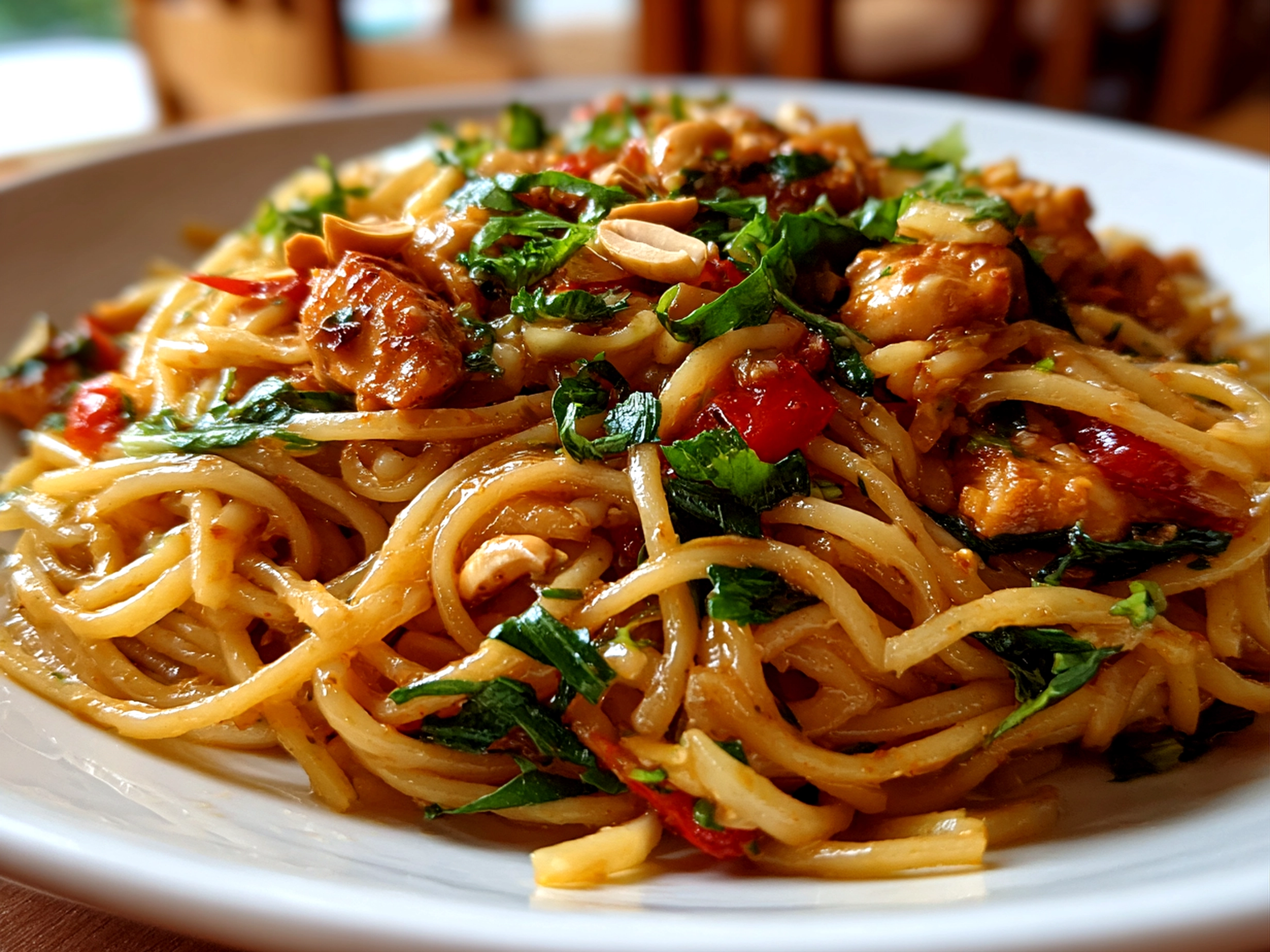
The first time Peanut Noodles came into my life, it was one of those quiet summer evenings when the light drifts softly through the kitchen window, the kind of golden that settles just right. My oldest friend, an expert food storyteller herself, had invited me over for a casual supper. She served Peanut Noodles, a dish that instantly felt like the perfect harmony of comfort and intrigue. The rich, creamy nutty sauce clung to the noodles, flecked with fresh scallions and vibrant shredded vegetables.
As we ate, the textures and flavors unfolded slowly—the cool, slippery noodles contrasting with the warm, slightly spicy peanut sauce. It wasn’t just a meal; it was a shared experience, a taste of a tradition she’d adapted from the bustling street vendors of Southeast Asia. This introduction to Peanut Noodles opened a door for me. It revealed the elegance in simplicity and the complexity that a single sauce could carry.
Since then, Peanut Noodles have become a kitchen staple—a dish that feels at home throughout the year but especially in the gentle lull of summer. Seasonal vegetables borrowed from local markets fold into the noodles, adding brightness to the creamy peanut butter noodles that first won me over. What’s quiet compelling about this dish is the way it bridges moments: a quick lunch, a picnic treat, or a centerpiece for a shared dinner.
Join me as we unwrap this story. This Peanut Noodles journey connects threads of culture, technique, and memory, a narrative mingling the fresh, the spicy, and the deeply satisfying in each bite.
The Components
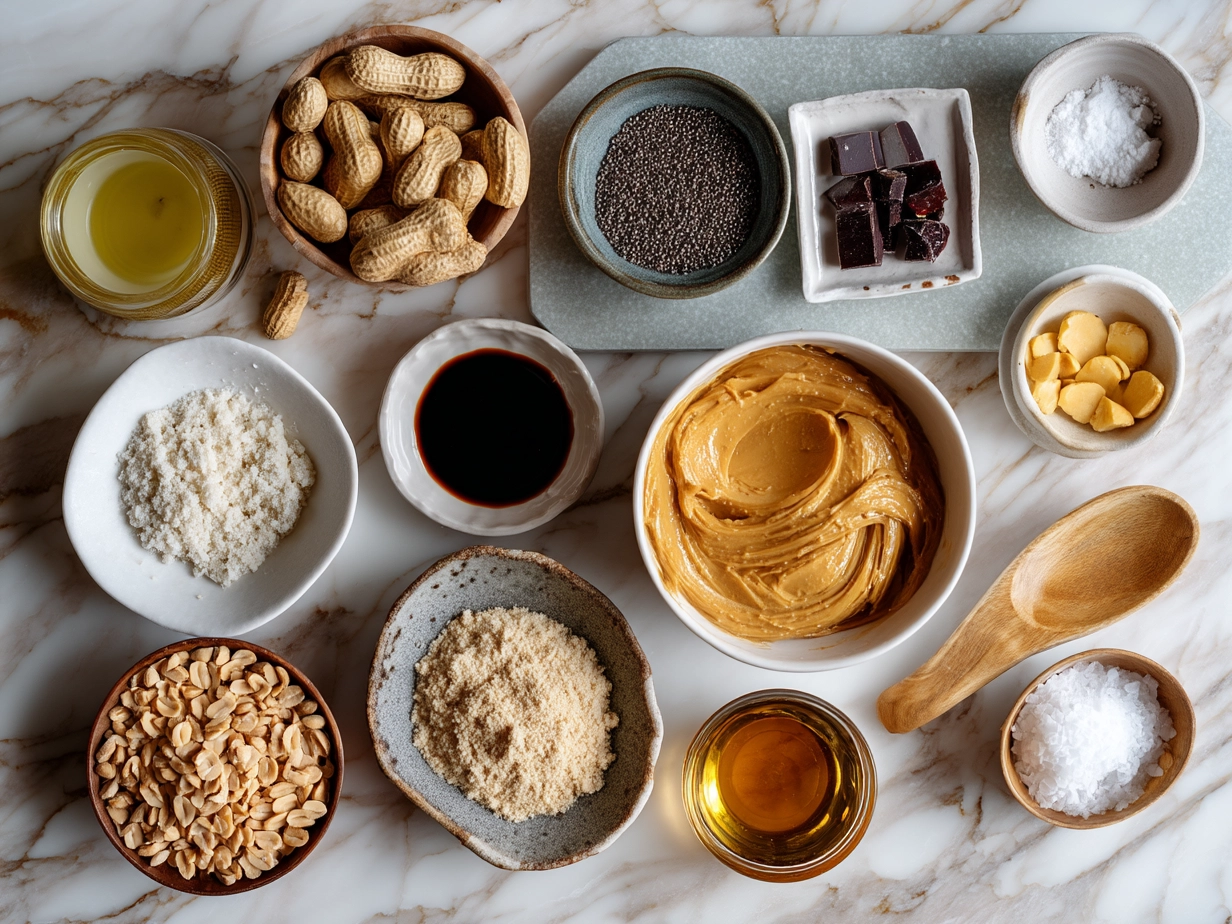
The beauty of Peanut Noodles lies in ingredient quality, each component telling a subtle part of the story. Here’s what transforms good Peanut Noodles into memorable food:
- 8 ounces dried noodles (rice vermicelli, soba, or fresh egg noodles): Choose noodles that absorb sauce well but maintain a springy texture. I prefer rice vermicelli for their delicate bite in cold peanut noodles.
- ½ cup creamy peanut butter (look for natural, unsweetened): This is the backbone for your Asian peanut sauce noodles. The flavor power rests in the purity of the peanut butter. Specialty or farmers markets sometimes carry fresh-ground varieties worth seeking.
- 3 tablespoons soy sauce (use tamari for gluten-free): Adds umami depth. Freshness here matters—avoid stale bottles for the best savory balance.
- 2 tablespoons rice vinegar: This brightens the sauce, balancing the richness. It’s often available at Asian grocery stores, but some quality versions turn up at farmers markets.
- 1 tablespoon toasted sesame oil: Essential for authentic sesame peanut noodles, its nutty aroma lifts the dish. Find this at specialty food shops and handle it gently—it can lose aroma if overheated.
- 1-2 teaspoons chili garlic sauce (adjust to taste): For a spicy peanut noodle salad, this adds necessary heat and a touch of fermentation flavor.
- 1-2 tablespoons honey or maple syrup: This smooths the edge, creating a harmonious sweet-salty sauce.
- 2 cloves garlic, finely minced: Fresh garlic adds pungency that older garlic powders can’t match.
- 1 cup shredded carrots and thinly sliced cucumber or bell peppers: Freshness and crunch in your cold peanut noodles bring vibrancy.
I prefer freshly squeezed lime juice over bottled for the final squeeze—fresh zest balances the creamy peanut butter noodles beautifully. Every ingredient weaves in to make this dish unique and vibrant.
The Process
Making Peanut Noodles requires attention but rewards you fully with every step. Here’s a clear way to approach it:
- Prepare the noodles: Begin by cooking your noodles according to package instructions, usually in boiling salted water. Rice vermicelli softens in about 3-5 minutes, while soba may need slightly longer. Drain and rinse immediately under cold water to halt cooking if planning cold peanut noodles. This step preserves the ideal springy texture.
- Make the peanut sauce: In a bowl, combine the creamy peanut butter, soy sauce, rice vinegar, toasted sesame oil, chili garlic sauce, honey, and minced garlic. Whisk until smooth. This step shows how creamy peanut butter noodles become a silky, luscious dressing that wraps around every strand.
- Adjust consistency: If the sauce feels too thick, add warm water a tablespoon at a time until it loosens to coat the noodles evenly without clumping. Watch as your peanut noodles develop a glossy shine.
- Mix sauce and noodles: Pour the sauce over the cooled noodles, tossing gently yet thoroughly. This technique ensures your Asian peanut sauce noodles come alive with balanced flavors.
- Incorporate vegetables: Add shredded carrots, cucumber, and bell peppers to introduce contrasting textures. For a spicy peanut noodle salad, fold in chopped fresh herbs like cilantro or Thai basil.
- Rest before serving: Allow your Peanut Noodles to sit at room temperature for 15-20 minutes so flavors meld fully. This wait transforms your dish into a cohesive taste experience.
Over years of making this, I’ve learned that rushing the resting period flattens the flavor. Patience is part of the process. While your Peanut Noodles come together, consider pairing ideas or think about how the textures and spice levels shift with small tweaks.
Bringing It to the Table
This Peanut Noodles dish suits many occasions—it’s flexible enough for a quick weekday dinner or a festive gathering. The creamy peanut butter noodles feel like a familiar blanket on a cool night, while cold peanut noodles with vibrant vegetables brighten summertime meals.
Pair this dish with grilled chicken or tofu for protein that complements the richness. Sesame peanut noodles especially resonate when served alongside steamed dumplings or light spring rolls.
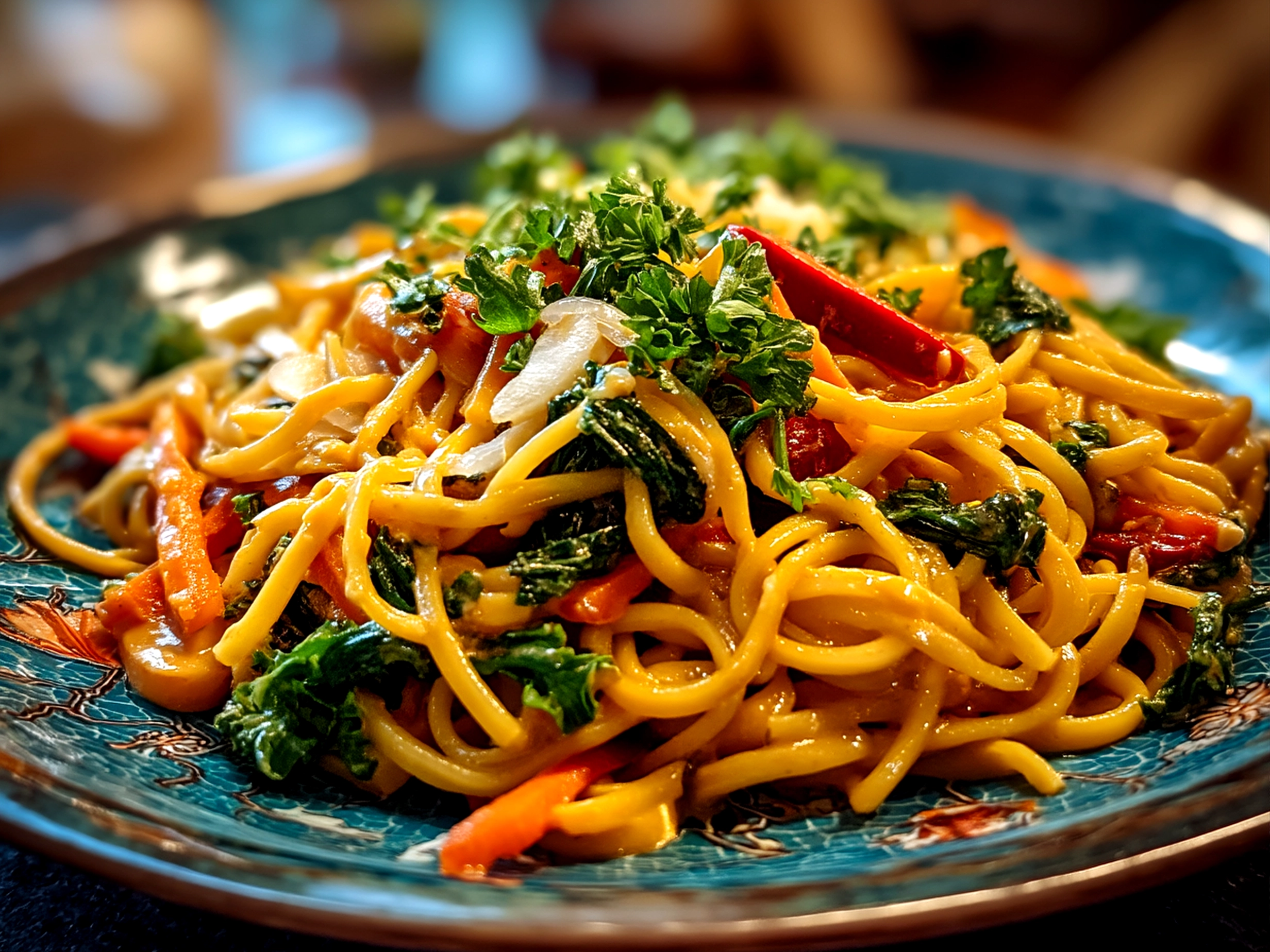
Presentation matters here. Serve in broad shallow bowls or layered on bamboo leaf platters for gatherings, garnished with crushed peanuts and sliced green onions. A wedge of lime adds freshness at the table.
One of my favorite kitchen moments was sharing cold peanut noodles with friends during a backyard picnic, accompanied by chilled jasmine tea. The combination of flavors and the casual, sun-dappled setting made the dish feel extra special.
For inspiration, there’s a detailed Cold Thai Noodle Salad Recipe with Sesame Peanut Sauce … that shares a similar joy in fresh ingredients folded into rich peanut sauce.
This Peanut Noodles fits well alongside other dishes, like the street-style peanut cheese chaat, which adds a contrast of textures and bright spices in a different key.
Common Questions
“What makes this Peanut Noodles different from similar dishes?”
The distinguishing factor lies in the balance of the peanut sauce. Unlike heavier nut sauces, this one achieves creamy peanut butter noodles with a refreshing lift from vinegar and soy, making it neither cloying nor one-dimensional. The texture balance—soft noodles with crisp, fresh vegetables—also sets it apart.
“Can I prepare this Peanut Noodles in advance?”
Yes. These noodles actually improve in flavor when the sauce has time to infuse. Store them separately—sauce in an airtight container and noodles covered—both refrigerated for up to two days. Combine and toss just before serving to maintain the noodles’ ideal texture.
“How do I know when my Peanut Noodles is properly done?”
You want noodles cooked just al dente, tender but with a little bite. The peanut sauce should coat, not drown the noodles, with a glossy finish. If the sauce seems grainy or too thick, add water to smooth it.
“What is the role of chili garlic sauce here?”
It introduces a gentle heat and sharpness that contrasts the creamy peanut butter noodles, avoiding monotony in flavor.
“Are there gluten-free options?”
Absolutely. Rice vermicelli and tamari make this dish entirely gluten-free. Just ensure other ingredients like soy sauce match your dietary needs.
“Is it okay to warm Peanut Noodles?”
This peanut noodle salad often shines cold or at room temperature, but it can be served warm. Avoid overheating—the sesame peanut noodles’ delicate oil can lose fragrance if cooked aggressively.
“I want more texture, any ideas?”
Top your noodles with toasted sesame seeds, crushed peanuts, and fresh herbs for an extra sensory layer.
For visuals and video guidance, I recommend this Asian Noodle Salad in Peanut Dressing (VIDEO) – Vikalinka, which shows how even simple ingredients come together elegantly.
Closing Thoughts
Peanut Noodles earn their place in the kitchen for these reasons:
- Outstanding balance of creaminess and brightness: The harmony here invites multiple adjustments, making the dish versatile.
- Adaptability to seasons and ingredients: From spicy peanut noodle salad in summer to comforting creamy peanut butter noodles in colder months, this dish folds easily into different rhythms.
- Ease of preparation without sacrificing flavor: Even with few ingredients, experience shows how attention to quality changes everything.
Three variations I’ve tested often include adding a swirl of coconut milk to enrich the Asian peanut sauce noodles, transforming cold peanut noodles into a bit more indulgent dish. Another is a sesame peanut noodles twist featuring extra toasted sesame seeds and oil for fragrant depth. Lastly, the spicy peanut noodle salad with an added kick of sriracha and fresh herbs highlights how tweaking heat levels shifts the dish’s personality dramatically.
Making this Peanut Noodles your own demands a bit of care, but it’s a dish that responds well to experimentation and personal taste. Its story extends beyond a quick fix; it connects to the nostalgia of shared meals, the texture and aroma memories simmering just beneath the surface.
For an adjacent nutty treat, after this Peanut Noodles, consider the sweet contrast of Peanut Butter Cookie Bites, a quiet kitchen moment of simple pleasure.
No matter your approach, let this Peanut Noodles be a small ritual in your food narrative—an ongoing conversation between flavor, tradition, and the people at your table.
Peanut Noodles
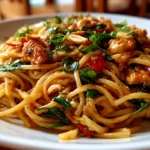
These Peanut Noodles offer a creamy, flavorful twist on classic Asian-inspired pasta, combining a rich peanut sauce with fresh vegetables for a quick and satisfying meal.
- Prep Time: 10 minutes
- Cook Time: 10 minutes
- Total Time: 20 minutes
- Yield: 4 servings
- Category: Dinner
- Method: No-Cook
- Cuisine: Asian
Ingredients
- 8 oz noodles (rice noodles or spaghetti)
- 1/4 cup creamy peanut butter
- 2 tablespoons soy sauce
- 1 tablespoon sesame oil
- 1 tablespoon rice vinegar
- 1 tablespoon honey or maple syrup
- 1 teaspoon grated fresh ginger
- 2 cloves garlic, minced
- 1/4 teaspoon red pepper flakes (optional)
- 2 green onions, sliced
- 1/2 cup shredded carrots
- 1/2 cup thinly sliced bell peppers
- 1 tablespoon chopped peanuts (for garnish)
- Fresh cilantro (optional, for garnish)
Instructions
- Cook the noodles according to package instructions. Drain and rinse under cold water to stop cooking and set aside.
- In a bowl, whisk together peanut butter, soy sauce, sesame oil, rice vinegar, honey, ginger, garlic, and red pepper flakes until smooth.
- In a large mixing bowl, combine the cooked noodles, shredded carrots, bell peppers, and sliced green onions.
- Pour the peanut sauce over the noodles and vegetables. Toss well to coat evenly.
- Garnish with chopped peanuts and fresh cilantro if desired.
- Serve immediately or chill for 15 minutes for a cooler dish. Enjoy!
Notes
For extra protein, add grilled chicken or tofu. You can also customize veggies based on your preference or seasonal availability.