
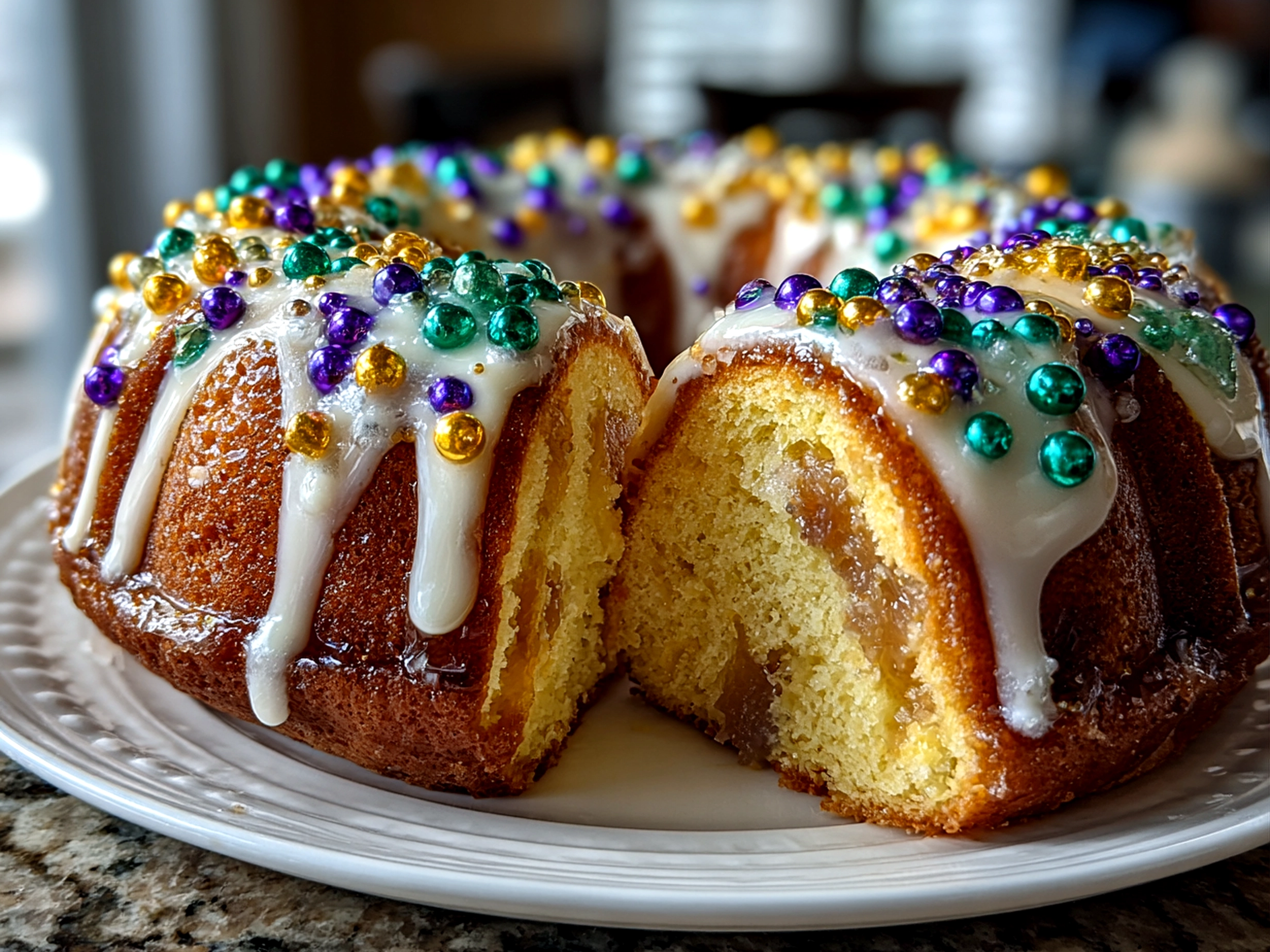
The first time I held a Mardi Gras King Cake in my hands, it was caked in bright purple, green, and gold sugar that told a story of celebration and history. The air was thick with the sweet scent of cinnamon and sugar, blending with the faint hum of jazz floating from a nearby street corner. My grandmother had brought it to the table, her eyes sparkling with pride as she explained the King Cake tradition—a vibrant Mardi Gras dessert woven into the rhythm of New Orleans life.
The ring-shaped cake felt warm and inviting, its soft texture promising something more than just a sweet treat. It was an invitation into a ritual spanning centuries, a food narrative that threads Mardi Gras festivities with family stories and communal joy. I remember the softness of the icing and the unexpected crunch from the colorful sugar crystals. The hidden baby figurine tucked inside the bread encouraged playful curiosity around the table.
This Mardi Gras King Cake wasn’t just a dessert—it was a moment suspended in time. Each bite connected me to the rich cultural heritage of New Orleans, where the cake symbolizes both a feast and a tradition. It revealed how food holds memory and meaning beyond nutrition. Since then, my kitchen has become a place of discovery every time I take on a new King Cake recipe, shaping layers of dough, color, and flavor into a shared experience.
I invite you to join this journey through the story of Mardi Gras King Cake—a dish that demands attention, patience, and a touch of magic. Together, we’ll uncover what makes this New Orleans King Cake truly special.
The Components
This Mardi Gras King Cake thrives on quality ingredients that bring it alive with flavor and texture. Here’s what you’ll need:
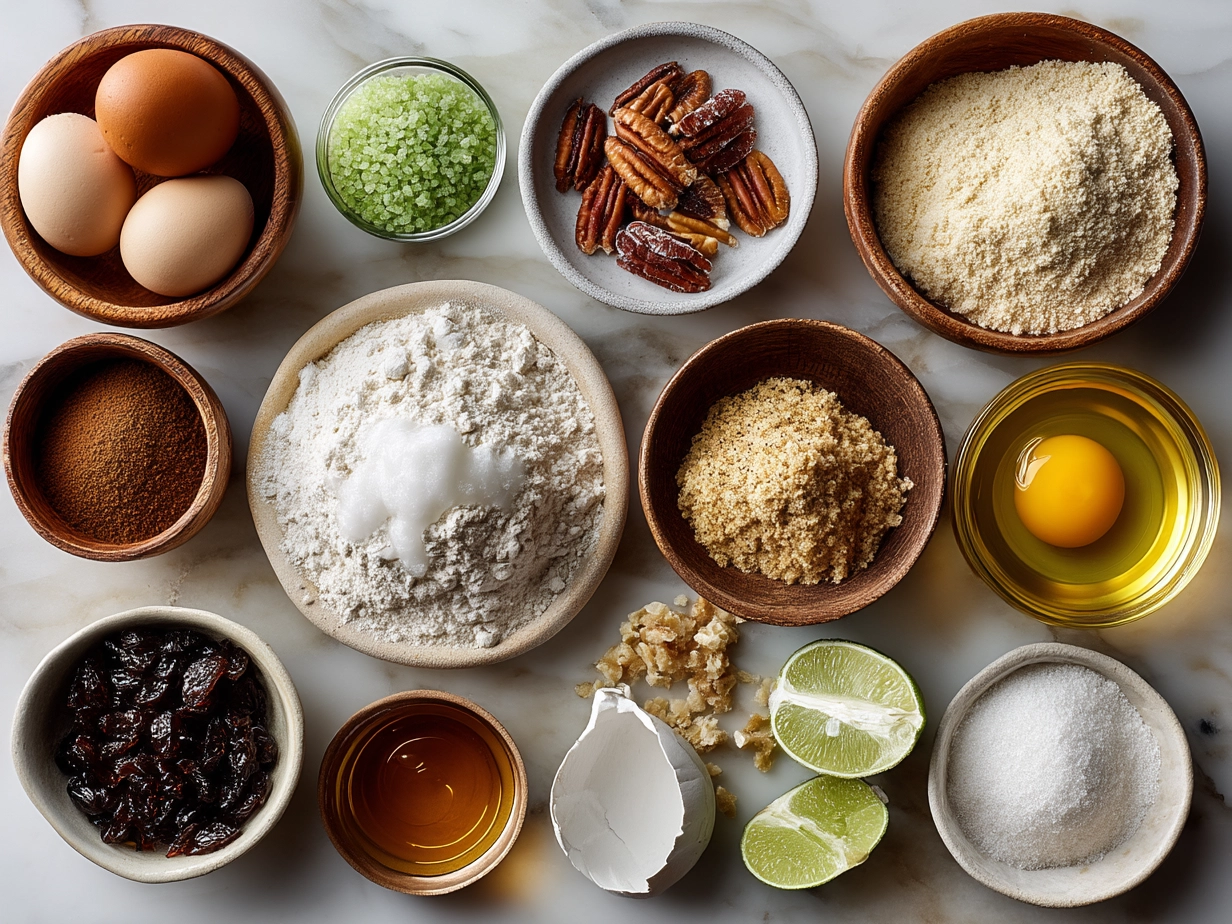
- 3 1/2 cups all-purpose flour (Look for fresh, unbleached flour at farmers markets or specialty stores to ensure a tender crumb)
- 1/2 cup granulated sugar (Opt for fine granulated sugar for an even sweetness)
- 2 1/4 teaspoons active dry yeast (Fresh yeast yields a better rise; check the expiration date carefully)
- 1/2 teaspoon salt (Balances sweetness and highlights other flavors)
- 1/2 cup whole milk, warmed to about 110 degrees F (This warmth wakes the yeast — too hot and it kills it; too cold and the rise is slow)
- 1/3 cup unsalted butter, melted (Quality butter makes the dough richer and softer)
- 3 large eggs (Preferably brown eggs from pasture-raised hens if you want that depth of flavor)
- 1 teaspoon vanilla extract (Adds aromatic notes pushing this Mardi Gras King Cake beyond ordinary bread)
- 1 tablespoon ground cinnamon (Central to the cake’s signature flavor writ large)
- 2 cups powdered sugar (For the King Cake icing — sifted to avoid lumps)
- Water or milk for icing (Adjust to desired icing consistency)
- Colored sugar in purple, green, and gold (Representing justice, faith, and power in the Mardi Gras tradition)
- A small plastic baby figurine (Symbolizing luck—often hidden inside the cake itself)
This Mardi Gras King Cake can adapt well to ingredient availability. For example, whole wheat flour can be swapped in for part of the all-purpose to add rustic texture, but it will change the softness you expect. Freshly sourced cinnamon adds warmth that you won’t find in a generic bottle. I prefer melting butter instead of using it softened—this helps incorporate it smoothly into the dough.
The icing, a signature part of the Mardi Gras King Cake tradition, should be glossy and just thick enough to hold the colored sugar but not so dense it overwhelms the delicate cake flavors. Finding the right balance here matters. It echoes the care taken earlier when nurturing the dough, when minutes spent activating the yeast turn into hours of rising and promise.
In this way, every ingredient shapes the Mardi Gras King Cake’s story as much as its final flavor.
The Process
Making Mardi Gras King Cake is a kitchen moment demanding patience and attention. Here’s a clear path to building this layered New Orleans King Cake:
- Activate the yeast: Combine the warm milk, a teaspoon of sugar, and active dry yeast in a bowl. Wait for 5-10 minutes until you see foam bubbling atop, signaling your Mardi Gras King Cake’s life beginning.
- Combine dry ingredients: In a large bowl, whisk together flour, remaining sugar, salt, and cinnamon. This mixture sets the foundation for your King Cake’s comforting aroma.
- Mix wet ingredients: Beat eggs, melted butter, and vanilla extract together, then stir in the foamy yeast mixture. The richness here complements the sweetness ahead.
- Form the dough: Gradually add wet ingredients to dry, stirring until you bring the dough together. Knead 8-10 minutes either by hand or with a stand mixer fitted with a dough hook. The dough transforms into a smooth, elastic ball—a sign your Mardi Gras King Cake will have the right airy texture.
- First rise: Place the dough in a greased bowl, cover with a clean towel, and let it rise in a warm spot until doubled in size, usually about 1-2 hours. This slow fermentation is the heart of the King Cake tradition.
- Shape the cake: Punch down the risen dough and roll it out into a large rectangle, approximately 16×12 inches. Brush with softened butter, then sprinkle generously with cinnamon sugar—a mixture of granulated sugar and cinnamon. Roll this up jelly-roll style, making sure to keep the shape tight.
- Form the ring: Connect the ends of this dough cylinder to form the distinctive ring shape. Place on a parchment-lined baking sheet and tuck the plastic baby figurine under or inside the twist before the second rise—traditionally the luck bearer.
- Second rise: Cover the shaped King Cake and let it rest another 45 minutes to an hour.
- Bake: Heat your oven to 350 degrees F. Bake the King Cake for 25-30 minutes, checking often to ensure a golden crust. The aromas transform your kitchen, signaling your Mardi Gras King Cake’s nearing readiness.
- Cool and decorate: Once cooled, drizzle with the classic King Cake icing made by mixing sifted powdered sugar and milk to soft peaks. Finish with sprinkling the trio of colored sugar in bands around the ring.
Throughout these steps, understanding how the dough behaves helps. This Mardi Gras King Cake’s slow rise allows complex flavors to develop; rushing it loses that depth. When kneading, your hands become attuned to the dough’s texture—too sticky means more flour; too dry risks toughness.
Past attempts have taught me that consistency in temperature and timing makes all the difference. Your patience shapes the cake’s character.
For those seeking variations, sources like Traditional Mardi Gras King Cake – ZagLeft and Best Mardi Gras King Cake – House of Nash Eats offer insights that respect the roots of this dessert while inviting tweaks.
Bringing It to the Table
This Mardi Gras King Cake is a star at any festive gathering but also finds its way into quieter kitchen moments that call for celebration. Its sweet richness pairs beautifully with a steaming cup of coffee or a bright glass of fresh-squeezed orange juice.
Consider serving this New Orleans King Cake during Mardi Gras parties, but also on slow Sunday mornings when the ritual of sharing feels just as meaningful. The King Cake tradition brings people close—like the time friends leaned over to spot the hidden baby, laughter filling the room.
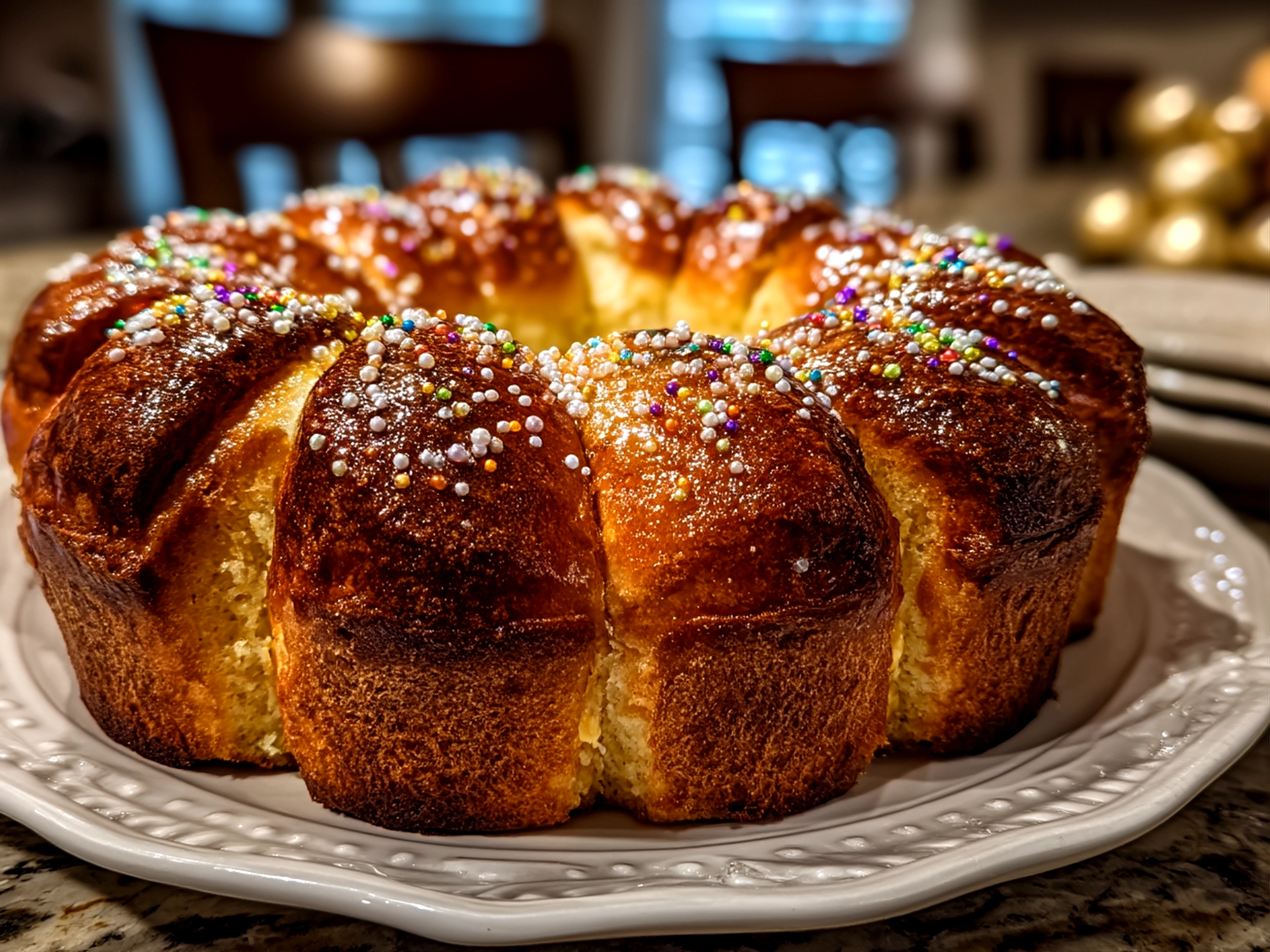
The colorful King Cake icing lends itself to creative presentation. Dust your serving platter with a sprinkle of colored sugar for an inviting effect. For a modern twist, try fruit preserves swirled into the cinnamon sugar filling or serve alongside a creamy spread like whipped cream cheese.
If your occasion calls for a lighter touch, pairing Mardi Gras King Cake with fresh berries balances the sweetness. In cooler months, a warm cup of spiced cider complements the cake’s cinnamon essence.
Responses to this Mardi Gras King Cake have been warmhearted; guests remark on its soft crumb and nostalgic flavor. It connects to broader themes in seasonal baking, much like the layered warmth you find in my sweet potato pancakes guide on FoodNarrative’s site.
Common Questions
1. What makes Mardi Gras King Cake different from other cinnamon breads?
Mardi Gras King Cake stands out because of its symbolic ring shape, the bright tri-colored sugar icing, and the hidden baby tradition. Its origins tie deeply to New Orleans culture, blending European and Creole food practices.
2. Can I prepare Mardi Gras King Cake in advance?
Absolutely. You can make the dough the day before and let it rise slowly in the refrigerator. Just bring it back to room temperature before shaping. I recommend icing the cake fresh after baking for the best look and taste.
3. How do I know when my Mardi Gras King Cake is baked properly?
The crust should be a golden brown with no pale spots, and the cake should sound hollow when tapped underneath. A thermometer inserted into the thickest part should read around 190 degrees F.
4. Is the baby figurine safe?
These small plastic pieces are food-safe but always remind guests to watch out for them. Some bakeries switch to hidden beans or candies as alternatives. My kitchen moment always involves careful placement and caution.
5. What variations on Mardi Gras King Cake work well?
Pecan fillings, cream cheese layers, or even chocolate chips add depth and personal flair. You might find ideas in Mardi Gras King Cake, which I’ve tested for balance.
6. Why is the icing on Mardi Gras King Cake so important?
King Cake icing finishes the cake with both sweetness and symbolic color. Its consistency must be just right—too thin, and the sugar slides off; too thick, and it overwhelms the sponge. The right icing creates that signature shimmer.
7. Can I freeze Mardi Gras King Cake?
Yes, wrap tightly after baking and cool completely. Thaw gently, then freshen the icing. This is great when preparing ahead for a Mardi Gras dessert feast.
When I first tackled questions about this New Orleans King Cake, I found community input helpful. For additional guidance, consider links like Best Mardi Gras King Cake – House of Nash Eats.
Closing Thoughts
What makes this Mardi Gras King Cake truly worth the effort is its embodiment of tradition and flavor melded in one sweet circle. The process invites you into a ritual where craft and patience unite.
Key insights:
- The dough’s slow rise enhances depth and tenderness.
- The cinnamon sugar filling must be generous yet balanced.
- Icing and colored sugars mark the cake’s celebratory spirit.
Tested ways to adjust this Mardi Gras King Cake include:
- Swapping classic cinnamon for a pecan praline filling.
- Adding cream cheese between dough layers for richness.
- Trying a fruit preserve swirl for a bright contrast.
Each approach changes the cake’s mood but keeps it grounded in the King Cake tradition.
Making Mardi Gras King Cake shapes your food narrative—it connects your kitchen moments to centuries of shared stories and joy. Whether this is your first or hundredth time, your version will carry new meaning.
If you like the way this Mardi Gras King Cake marries tradition with warmth, you might find a similar feeling in recipes like Protein Pancakes – FoodNarrative or the strikingly flavorful Red Velvet Cream Cheese Bundt Cake.
This dish calls for your touch and patience. It reminds us that food can be a celebration, a memory, and a moment shared—all in one slice of vibrant Mardi Gras King Cake. Yours awaits the next kitchen moment.
Mardi Gras King Cake

Celebrate Mardi Gras with this traditional King Cake, featuring a sweet, cinnamon-spiced dough braided and decorated in vibrant purple, green, and gold sugars.
- Prep Time: 20 minutes
- Cook Time: 30 minutes
- Total Time: 3 hours
- Yield: 10 servings
- Category: Dessert
- Method: Baked
- Cuisine: American
Ingredients
- 2 ½ teaspoons active dry yeast
- ½ cup warm water (110°F)
- 1 cup warm whole milk
- ⅓ cup granulated sugar
- ⅓ cup unsalted butter, melted
- 3 large eggs
- 1 teaspoon vanilla extract
- 4 ½ cups all-purpose flour, divided
- 1 teaspoon salt
- 2 teaspoons ground cinnamon
- ½ teaspoon ground nutmeg
- ½ cup brown sugar
- ¼ cup unsalted butter, softened
- 1 plastic baby figurine (optional)
- 1 cup powdered sugar
- 2-3 tablespoons milk
- 1 teaspoon vanilla extract
- Colored sanding sugar in purple, green, and gold
Instructions
- In a small bowl, dissolve yeast in warm water and let stand for 5 minutes until bubbly.
- In a large bowl, combine warm milk, sugar, melted butter, eggs, vanilla extract, and yeast mixture.
- Gradually add 3 cups of flour and salt, mixing until combined.
- Stir in cinnamon, nutmeg, and brown sugar.
- Add remaining flour ½ cup at a time until a soft dough forms.
- Knead dough on a floured surface for 8–10 minutes until smooth and elastic.
- Place dough in a greased bowl, cover, and let rise in a warm place for 1–2 hours or until doubled.
- Punch down dough and roll into a large rectangle (about 12×18 inches).
- Spread softened butter over dough, then sprinkle evenly with additional brown sugar and cinnamon.
- Roll dough tightly into a log, then form into a ring and seal the ends.
- If desired, insert a plastic baby figurine into the bottom of the ring.
- Place ring on a baking sheet lined with parchment paper, cover, and let rise for another 45 minutes.
- Preheat oven to 350°F (175°C).
- Bake cake for 25–30 minutes until golden brown.
- Cool completely on a wire rack.
- Mix powdered sugar, milk, and vanilla extract to make icing.
- Drizzle icing over the cooled cake and generously sprinkle purple, green, and gold sanding sugars in traditional Mardi Gras colors.
Notes
For best results, serve the King Cake the day it’s made. Refrigerate leftovers tightly wrapped and bring to room temperature before serving.